Hair Transplant Recovery – Week-by-Week Timeline, Healing Process & Aftercare Guide (2026)

Undergoing a hair transplant is not just a cosmetic procedure — it is the beginning of a medically guided hair restoration journey. While advanced FUE and QHT™ hair transplant procedures can restore natural hair growth and confidence, the final outcome of a hair transplant relies on proper recovery, graft protection, scalp healing, and long-term aftercare. One of the most common concerns patients have after surgery is the following:

  • How long does hair transplant recovery take?
  • When will new hair growth start?
  • Is shedding normal after hair transplant?
  • What precautions should be followed after FUE surgery?
  • How can graft survival be improved?

At Dr. Paul’s Advanced Hair & Skin Solutions, every patient receives structured post-transplant recovery guidance as part of the clinic’s advanced QHT™ Hair Restoration Protocol. Recognized for:-

  • TOI India’s No. 1 Trichology Clinic Chain Ranking
  • Membership with the American Accreditation Association (AAA)
  • Advanced QHT™ Hair Transplant protocols with a 25-year warranty on transplanted grafts (25-year warranty applicable under prescribed maintenance protocol, medical eligibility, and regular follow-up guidelines advised by the clinic).
  • Diagnosis-first and medically supervised hair restoration approach

Dr. Paul’s focus is not only on the surgical procedure itself but also on maximizing graft survival, scalp healing, natural density, and long-term cosmetic outcomes.

This complete 2026 guide explains the entire hair transplant recovery timeline week-by-week, including healing stages, aftercare precautions, recovery tips, hair growth phases, and what patients should realistically expect after FUE hair transplant surgery.

How Long Does Hair Transplant Recovery Take?

Most patients recover from the initial healing phase within approximately 7–14 days after hair transplant surgery. However, complete hair growth and final cosmetic results usually take around 12–15 months.

Typical Hair Transplant Recovery Timeline

  • Day 1–7 → Initial healing and scab formation
  • Week 2 → Scabs begin falling naturally
  • Week 3–6 → Temporary shedding phase (shock loss)
  • Month 3–4 → New hair growth starts
  • Month 6–8 → Visible density improvement
  • Month 12–15 → Final results become visible

Recovery varies depending on:

  • Individual healing response
  • Hair transplant technique used
  • Donor quality
  • Scalp condition
  • Post-operative care
  • Lifestyle and nutrition

Why Hair Transplant Recovery Is Important

Hair transplantation is a medically advanced yet minimally invasive procedure. After surgery, transplanted follicles require time to establish blood circulation and settle securely into the scalp. Improper aftercare during this period may affect the following:

  • Graft survival
  • Hair density
  • Healing quality
  • Final cosmetic outcome

At Dr. Paul’s Advanced Hair & Skin Solutions, recovery is medically supervised to monitor the following:

  • Graft viability
  • Donor healing
  • Scalp inflammation
  • Shock loss progression
  • Folliculitis risk
  • Long-term scalp health

Patients may also be advised supportive therapies, nutritional correction, scalp treatments, or stabilization protocols depending on their diagnosis and recovery response.

What Is the QHT™ Hair Transplant Recovery Protocol?

The QHT™ (Quality Hair Transplant) Recovery Protocol is Dr. Paul’s structured post-transplant support system designed to improve the following:

  • Graft survival
  • Scalp healing
  • Hair density outcomes
  • Donor recovery
  • Long-term follicle health

The protocol may include the following:-

  • Structured washing instructions
  • Scientifically guided scalp recovery
  • Medical follow-up monitoring
  • Nutritional and lifestyle guidance
  • Hair stabilization support
  • PRP or supportive recovery therapies where indicated
  • Long-term scalp health management

Unlike conventional clinics that focus only on surgery, Dr. Paul’s emphasizes complete long-term hair restoration and graft protection.

Hair Transplant Recovery Timeline – Week-by-Week Guide

  • Day 1 to Day 3 – Immediate Recovery Phase

The first few days after hair transplant surgery are extremely important because the grafts are still delicate and settling into the scalp.

Common Symptoms

  • Mild swelling on forehead or scalp
  • Redness in transplanted areas
  • Mild tightness or discomfort
  • Tiny scabs or dried blood spots
  • Mild sensitivity in donor region

What to Do After Hair Transplant

  • Sleep with your head elevated at 30–45 degrees
  • Avoid touching or scratching grafts
  • Take prescribed medications regularly
  • Stay hydrated
  • Follow doctor-recommended scalp-cleaning instructions carefully

What to Avoid

  • Smoking and alcohol
  • Heavy exercise
  • Direct sun exposure
  • Helmets or tight caps
  • Excess sweating

This phase is critical for graft protection and survival.

  • Week 1 – Scab Formation & Healing

During the first week, small scabs begin forming around transplanted follicles. This is a normal part of the healing process.

Common Symptoms

  • Mild itching
  • Tiny crusts or scabs
  • Mild numbness in donor or recipient areas
  • Mild redness

Aftercare Tips

  • Wash hair gently using prescribed shampoo
  • Avoid rubbing or scratching the scalp
  • Maintain a protein-rich balanced diet
  • Continue medications as advised
  • Sleep comfortably if swelling persists

Patients are generally advised to avoid gyms, swimming pools, and excessive sweating during this phase.

  • Week 2 – Scabs Begin Falling Off

By the second week, the scalp starts appearing cleaner as scabs gradually shed naturally.

What Happens During This Phase

  • Scabs begin falling off
  • Redness gradually reduces
  • Donor area heals significantly
  • Grafts become more stable

Important Care Tips

  • Continue gentle hair washing
  • Avoid scratching the scalp
  • Resume light routine activities only if approved by your doctor
  • Follow all medications and recovery instructions

Although visible healing improves, internal scalp recovery is still ongoing.

Is Hair Shedding Normal After Hair Transplant?

Yes. Temporary shedding after a hair transplant, also called “shock loss”, is a completely normal part of the recovery process.

  • Week 3 to Week 6 – Shedding Phase (Shock Loss)

This phase often causes anxiety among patients because transplanted hairs begin shedding temporarily.

Why Does Hair Shed After a Hair Transplant?

After transplantation, follicles temporarily enter a resting phase before starting a new growth cycle. The hair shaft falls, but the follicle remains alive beneath the scalp.

What Patients May Notice

  • Temporary shedding of transplanted hair
  • Mild thinning appearance
  • More natural-looking scalp appearance

This does NOT mean the transplant has failed. New growth usually starts within the following few months. At Dr. Paul’s, patients receive structured counselling and follow-up support during this stage to reduce unnecessary stress and improve recovery confidence.

  • Month 2 to Month 3 – Dormant Healing Phase

During this period, visible growth may still be limited, but important biological healing continues beneath the scalp.

What Happens Internally

  • Blood circulation improves around grafts
  • Follicles stabilize within the scalp
  • Cellular repair continues
  • Future hair growth cycle activates

Recovery Tips

  • Maintain a healthy diet
  • Avoid smoking and excessive stress
  • Follow nutritional support if advised
  • Continue medical stabilization protocols where prescribed

Patients are often advised scalp maintenance and nutritional optimization for better long-term results.

When Does New Hair Growth Start After Hair Transplant?

Most patients start noticing new hair growth approximately 3–4 months after surgery.

  • Month 4 to Month 6 – New Hair Growth Phase

This is the stage where visible improvement usually begins.

What Patients Can Expect

  • Thin new hair growth
  • Early hairline visibility
  • Gradual increase in density
  • Improved cosmetic appearance

Initially, newly growing hair may appear soft or thin. Over time, it generally becomes thicker and stronger. Some patients may also be advised supportive therapies such as PRP depending on scalp condition and recovery progress.

  • Month 6 to Month 9 – Significant Density Improvement

By this phase, most patients begin seeing noticeable cosmetic transformation.

Common Improvements

  • Fuller appearance
  • Better scalp coverage
  • Stronger hair shafts
  • More defined hairline

Approximately 60–70% of visible results are commonly achieved during this period.

Important Care Tips

  • Maintain scalp hygiene
  • Avoid excessive heat styling
  • Use medically recommended hair products
  • Continue long-term scalp care
  • Month 9 to Month 12 – Final Results Begin Appearing

The majority of final hair growth usually becomes visible between 9–12 months after surgery.

Final Outcome May Include

  • Natural-looking density
  • Improved thickness
  • Mature hairline appearance
  • Permanent growing hair

Certain patients may continue seeing improvement up to 15 months depending on healing patterns and individual biology. AtDr. Paul’s Advanced Hair & Skin Solutions, long-term follow-up protocols are maintained to optimize natural-looking outcomes and scalp health.

Hair Transplant Aftercare – Essential Tips

Proper aftercare plays a major role in graft survival and long-term success.

  1. Follow Washing Instructions Carefully use only doctor-recommended shampoos and avoid aggressive rubbing during early recovery.
  2. Avoid Smoking and Alcohol – Smoking can reduce blood circulation and negatively affect graft survival and healing quality.
  3. Protect the Scalp from Sun Exposure – Direct sunlight may irritate healing grafts and increase inflammation.
  4. Avoid Heavy Workouts Initially – Sweating and physical strain may interfere with early healing.
  5. Maintain a Nutrient-Rich Diet – Protein, zinc, iron, vitamins, and hydration support healthy hair growth.
  6. Take Medications on Time – Follow prescribed medicines and supplements carefully to support healing and reduce complications.

Common Mistakes to Avoid After Hair Transplant

  1. Touching or Scratching the Scalp – This may dislodge healing grafts.
  2. Ignoring Follow-Up Visits – Regular reviews help monitor graft health and recovery progress.
  3. Using Harsh Hair Products – Strong chemicals may irritate recovering scalp tissue.
  4. Panicking During Shedding Phase – Temporary shedding is normal and expected.
  5. Returning to the gym too early – Excessive sweating and strain may delay recovery.

When Should You Contact Your Hair Transplant Doctor?

Although most patients recover smoothly, immediate medical consultation is recommended if you experience:

  • Severe swelling or pain
  • Persistent bleeding
  • Fever
  • Pus formation or infection
  • Excessive graft loss
  • Severe redness after 2–3 weeks
  • Sudden scalp inflammation
  • Unusual foul smell from scalp

Early medical attention helps protect graft survival and reduce complications.

How Long Do Hair Transplant Results Last?

Transplanted follicles are generally permanent because they are usually extracted from genetically stable donor areas.

However, maintaining long-term cosmetic results may depend on:

  • Progression of native hair loss
  • Lifestyle
  • Nutrition
  • Scalp health
  • Medical maintenance
  • Follow-up care

At Dr. Paul’s, emphasis is placed on preserving both transplanted hair and existing native hair for balanced long-term outcomes.

Does Hair Transplant Recovery Affect Treatment Cost?

Many patients focus only on surgery pricing while overlooking the importance of recovery support and long-term scalp care.

Recovery-related support may include:

  • Follow-up consultations
  • PRP sessions
  • Recovery medications
  • Hair stabilization support
  • Nutritional supplementation
  • Scalp therapies

A scientifically planned recovery program can significantly influence final cosmetic outcomes and graft survival.

Why Choose Dr Paul’s Advanced Hair & Skin Solutions?

Successful hair restoration involves much more than transplantation alone. At Dr. Paul’s Advanced Hair & Skin Solutions, treatment focuses on:-

  1. Advanced QHT™ Hair Transplant protocols
  2. Natural hairline and density planning
  3. Diagnosis-first treatment approach
  4. Structured recovery systems
  5. Medically supervised scalp care
  6. Long-term graft protection
  7. Personalized patient support
  8. Modern FUE and hair restoration technology

The clinic combines medical expertise, modern technology, and long-term recovery planning to help patients achieve safe, natural-looking, and sustainable hair restoration outcomes.

Conclusion

Hair transplant recovery is a gradual process that requires patience, proper aftercare, and medically guided healing support. Understanding the complete week-by-week recovery timeline helps patients maintain realistic expectations and avoid unnecessary anxiety during the healing process. If you are considering advanced FUE hair transplant surgery, remember that successful outcomes depend not only on the procedure itself but also on: –

  • Proper graft protection
  • Scalp healing
  • Long-term hair stabilization
  • Medical follow-up
  • Lifestyle and nutritional support

Choosing the right hair transplant clinic in Kolkata is, therefore, not only about surgery; it is about receiving complete long-term hair restoration support.

At Dr. Paul’s Advanced Hair & Skin Solutions, advanced QHT™ hair transplant protocols are designed to support long-term graft survival, natural density, scalp health, and patient confidence through medically supervised care and structured recovery guidance. Dr. Paul remains committed to delivering scientifically guided, natural-looking, and long-term hair restoration outcomes backed by experience, technology, and patient-centred care.

FAQs

  1. Is shedding normal after hair transplant?

Yes. Temporary shedding, also known as shock loss, is a normal part of recovery and usually occurs within 2–6 weeks after surgery.

  1. When can I wash my hair after a FUE hair transplant?

Most patients are advised gentle washing within a few days after surgery using doctor-prescribed techniques and products.

  1. Can smoking affect hair transplant recovery?

Yes. Smoking may reduce blood circulation and negatively impact healing and graft survival.

  1. When can I return to the gym after a hair transplant?

Heavy workouts and excessive sweating are generally avoided for approximately 10–14 days after surgery.

  1. How long does redness last after hair transplant?

Mild redness may last from a few days to a few weeks depending on skin type and healing response.

  1. Is itching normal after hair transplant?

Yes. Mild itching is common during healing but scratching should be avoided.

  1. When will final hair transplant results become visible?

Most patients see significant improvement within 9–12 months, while final maturation may continue up to 15 months.

  1. Does Dr Paul’s provide hair transplant warranty?

Yes. Dr. Paul’s offers a 25-Year Warranty on transplanted grafts under applicable medical protocols, eligibility criteria, and follow-up guidelines (25-Year Warranty applicable under prescribed maintenance protocol, medical eligibility, and regular follow-up guidelines advised by the clinic).

Reduce Fine Lines and Wrinkles with the Best Skin Treatment in Kolkata

Introduction

Our skin often tells the story of our lives—each fine line and wrinkle representing a chapter in a life well-lived. While these signs of aging are perfectly natural, not everyone welcomes them. Factors like genetics, sun exposure, and lifestyle choices accelerate collagen loss and skin laxity, leading to wrinkles and fine lines.

Fortunately, skincare innovations have paved the way for effective, non-surgical solutions. If you’re in Kolkata and seeking the best skin treatment in Kolkata for a youthful glow, look no further than Dr. Paul’s Advanced Hair & Skin Solution. From tried-and-true topical therapies to modern peels, Dr. Paul’s has the expertise and advanced technology to help you reclaim your radiance.

Why Fine Lines and Wrinkles Appear

  1. Normal Aging
    • As we age, production of collagen and elastin naturally decreases, causing the skin to lose firmness.
  2. Sun Exposure
    • UV rays damage skin cells and speed up collagen breakdown, resulting in premature wrinkles.
  3. Lifestyle Habits
    • Smoking, an unbalanced diet, and stress can all diminish the skin’s resilience over time.
  4. Facial Movements
    • Repetitive facial expressions—smiling, frowning—create dynamic wrinkles that become deeper with age.

Understanding these factors helps you choose the most effective preventive strategies and skin treatments.

Meet Dr. Paul’s Youth Renew Treatment

When it comes to fighting the signs of aging, Dr. Paul’s Youth Renew Treatment is a standout option. Designed in collaboration with Dermalogica, this 9-step glycolic peel treatment is formulated to target:

  • Fine Lines & Wrinkles
  • Uneven Skin Tone
  • Overall Skin Texture & Brightness

Quick Facts:

  • Procedure Duration: 45 minutes
  • Single Session Cost (Taxes Extra): ₹2999.00
  • Ideal For: Anyone looking to improve signs of aging and achieve a brighter, smoother complexion

Treatment Steps: A 9-Step Rejuvenation

  1. Pre-Cleanse
    • Gently removes surface oils and impurities, priming the skin for a deeper cleanse.
  2. Special Cleansing Gel
    • Ensures the skin is thoroughly cleansed of dirt and debris before the peel.
  3. Glycolic Peel Application
    • Exfoliates dead skin cells and promotes cell turnover, enhancing texture and clarity.
  4. Neutralizing Solution
    • Balances the skin’s pH post-peel, calming any irritation and preparing skin for the next steps.
  5. Biolumin C Pro Serum
    • Delivers potent Vitamin C to brighten skin, firm it, and minimize fine lines.
  6. Colloidal Masque Base
    • Hydrates and soothes skin, reducing redness and nourishing at a deeper level.
  7. Multi Active Toner
    • Refreshes and rehydrates, helping restore skin balance for improved absorption of further products.
  8. Calm Water Gel
    • Provides intense hydration, calming and soothing the skin post-peel.
  9. Dynamic Recovery SPF 50
    • Shields the skin from harmful UV rays, crucial for protecting fresh new cells and preventing future damage.

Benefits of Dr. Paul’s Youth Renew Treatment

  • Reduces Fine Lines & Wrinkles
    Smooths away signs of aging for a visibly younger appearance.
  • Enhances Skin Texture
    Glycolic acid and potent serums work to refine skin tone and texture.
  • Brightens Complexion
    Vitamin C and other actives diminish age spots and hyperpigmentation, revealing a radiant glow.
  • Deep Hydration
    Intensive moisturizing steps keep skin supple and refreshed.
  • UV Protection
    SPF 50 safeguards skin from sun damage, ensuring longer-lasting results.

Recommended Treatment Frequency

  • Initial Series: 4–6 treatments spaced 3–4 weeks apart for optimal improvement.
  • Maintenance: A session every 2–3 months helps sustain your youthful, glowing skin.

Exploring Other Non-Invasive Skin Treatments at Dr. Paul’s

  1. Botox & Dermal Fillers
    • Botox relaxes dynamic wrinkles like crow’s feet, while dermal fillers restore volume to sunken areas.
  2. Microneedling
    • Tiny needles stimulate collagen production, improving overall skin texture with minimal downtime.
  3. Chemical Peels
    • Varying depths target different concerns—from superficial peels for a gentle refresh to deeper peels for more dramatic transformations.
  4. Laser Resurfacing
    • Targets damaged skin layers using laser energy, boosting collagen and refining skin texture.

For advanced or more intensive concerns—such as significant sun damage—Dr. Paul’s offers a full suite of modern skin procedures tailored to individual needs.

Maintaining Results for the Long Haul

  1. Daily Skincare Routine
    • Incorporate retinoids, antioxidants, and broad-spectrum SPF to preserve gains from professional treatments.
  2. Lifestyle Habits
    • Stay hydrated, maintain a balanced diet rich in vitamins, and manage stress levels.
  3. Periodic Professional Care
    • Consider regular facials, microdermabrasion, or chemical peels to keep your complexion in top shape.

Why Choose Skin Treatment in Kolkata?

Kolkata is fast becoming a premier destination for advanced dermatological solutions. From world-class technology to expert practitioners like Dr. Paul’s, you’ll find:

  • Cutting-Edge Procedures: Access to the latest techniques at competitive prices.
  • Customized Treatment Plans: Specialists who tailor treatments to your unique skin type and goals.
  • Convenient Accessibility: Comprehensive services all under one roof.

Final Wrap: Turn Back Time with Dr. Paul’s Youth Renew Treatment

Achieving younger-looking skin is no longer a myth. Whether you prefer non-invasive modalities, advanced therapies, or a comprehensive approach, Dr. Paul’s offers a top-tier experience in Kolkata.

  • Address Fine Lines & Wrinkles
  • Boost Overall Skin Radiance
  • Regain Confidence with a Renewed Complexion

Ready to embrace the transformative power of professional skincare? Book your appointment at Dr. Paul’s Advanced Hair & Skin Solution and step into a future of brighter, smoother, and more youthful-looking skin.

Book Your Appointment Today!

  • Call Now: +91-9230177777
  • Website: www.drpaulsonline.com
  • Location: Saltlake I Rashbehari

Experience the magic of Dermalogica’s curated regimen in Dr. Paul’s Youth Renew Treatment—your pathway to timeless beauty and radiant self-confidence.
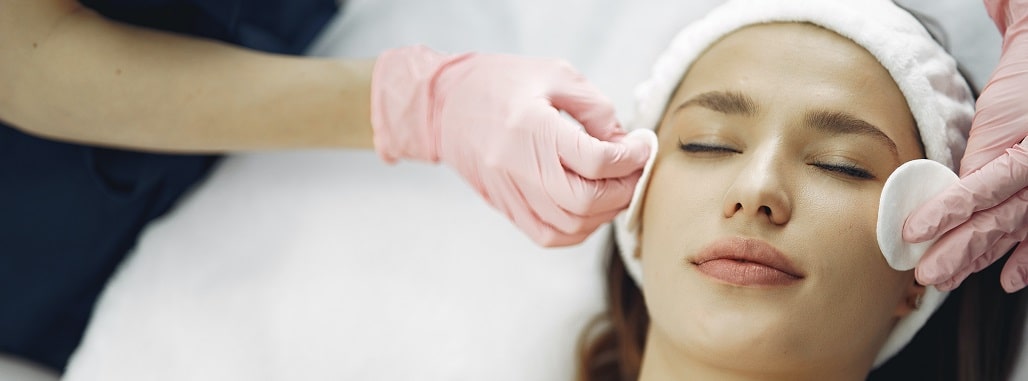
Hyperpigmentation VS Hypopigmentation – What Should You Know?

Pigmentation refers to the colouring of a person’s skin. Skin pigmentation disorders cause the change of colour for your skin. Hyperpigmentation and hypopigmentation are two common skin conditions that can affect people of all ages, skin types, and ethnicities. Both conditions can cause significant changes in skin tone and texture, leading to visible differences in the affected areas. We at Dr. Paul’s, have the best dermatologists in Kolkata to guide you through the right treatment procedure after assessing your skin conditions and medical history.

Understanding the differences between hyperpigmentation and hypopigmentation can help you identify the condition you are experiencing and seek appropriate treatment. In this blog, we will discuss the causes, symptoms, and treatments for hyperpigmentation and hypopigmentation.

Hyper-pigmentation:

Hyperpigmentation is a condition where the skin produces excess melanin, the pigment that gives skin its colour. The excess melanin can cause dark patches or spots on the skin. The most common causes of hyperpigmentation include:

  • Sun exposure: Prolonged exposure to the sun’s harmful UV rays can trigger the production of excess melanin, leading to the development of dark spots.
  • Hormonal changes: Hormonal changes during pregnancy, menopause, or while taking certain medications can also cause hyperpigmentation.
  • Acne scars: Acne can cause dark spots or scars that can persist even after the acne has healed.
  • Inflammation: Skin inflammation caused by eczema, psoriasis, or other skin conditions can also trigger hyperpigmentation.

Symptoms of hyperpigmentation include the development of dark patches or spots on the skin, particularly on the face, hands, and neck. These spots can vary in size, shape, and colour and may be accompanied by dryness, flakiness, or itching. In some cases, hyperpigmentation can also be accompanied by acne or other skin conditions.

Hypopigmentation:

Hypopigmentation is a condition where the skin produces less melanin than usual, leading to lighter patches or spots on the skin. Hypopigmentation can be caused by several factors, including:

  • Genetic conditions: Some genetic conditions like albinism or vitiligo can cause hypopigmentation.
  • Skin damage: Trauma, burns, or other injuries to the skin can also cause hypopigmentation.
  • Inflammatory skin conditions: Inflammatory skin conditions like eczema or psoriasis can also cause hypopigmentation.

Symptoms of hypopigmentation include the development of lighter patches or spots on the skin, particularly on the face, hands, and neck. Loss of colour in hair and eyes, increased sensitivity to the sun are also signs of hypopigmentation. Hypopigmentation may occur in a patchy or irregular distribution, rather than in a symmetrical pattern. Scars may be less visible on hypopigmented skin, as they blend in with the surrounding skin.

Treatment of Skin pigmentation:

The treatment of hyperpigmentation and hypopigmentation can vary depending on the underlying cause and severity of the condition. Protecting the skin from sun exposure is important in treating and preventing skin pigmentation. Wearing protective clothing and using sunscreen can help to prevent further damage to the skin. Tropical creams or chemical peels can help but we always suggest consulting a dermatologist before signing up for any treatment. Consult to the best dermatologists in Kolkata at Dr. Paul’s, who can offer non-invasive ways of treating skin pigmentation and make it look healthy and brighter.

5 Common Skin Conditions Indian Women Face in Their 30s

The 30s is an interesting age bracket for both men and women. By the time people enter the third decade of life, they have the required stability, maturity and experience to live life on their own terms. With increased responsibilities and stressful lifestyle choices, our skin undergoes many changes.

Experts at Dr. Paul’s Advanced Hair & Skin Solutions Clinics, which is indisputably the best skin care clinic in Kolkata always try to sensitize people about common skin conditions seen in Indian women as they approach the 30s.  Dr. Paul’s offers the best aesthetic hair care and skin care treatments for people backed by technology.

Based on our experience in treating different kinds of skin conditions in women, here’s an overview on the five most common skin conditions seen in Indian women as they approach their 30s.

1. Melasma:

This is a common skin condition that is characterized by blotchy freckle like spots on the facial skin. This skin condition is especially prominent in women with whiteish to dark skin tones and appears in areas like the forehead, chin and cheeks. In some women, these patches can also be seen in the arms and necks. While Sun exposure, hormonal changes and intake of certain medications are considered the root cause of melasma, many dermatologists also opine that this condition is triggered during pregnancy or when women start taking birth control pills.

In order to prevent this condition, women must take good care of their skin and be very particular about using a sunscreen before stepping out. Dr. Paul’s offers combination of internal medicines and external treatments like chemical peels and laser therapy for neutralizing the bad effects of multiple causes of Melasma to deal with such conditions which women can always avail to get that glowing and flawless skin.

2. Acne:

Although most people assume that only adolescents get acne, the reality is that people of all age groups can get acne. In fact, since acne is primarily caused by hormonal imbalance, women in their 30s are more prone to it because of factors like irregular menstrual cycle, pregnancy as well as work stress and lifestyle choices. Apart from the application of topical creams and oral medication is also recommended for treating acne. Women must try never to pick or squeeze the pimples as they lead to ugly scars. Thanks to Dr Paul’s specialist formulation that has specific anti-acne medicines to repairs & replenishes skin from within. The medicines also reverse negative hormonal effects. Additionally, the use of modern technology along with medicines, these scars can now be eliminated with the help of laser acne and scar treatment which is carried out by the best skin care clinic in Kolkata.

3. Rosacea:

This is an inflammatory skin condition that affects the butterfly area of the face and is characterized by redness, small pimples as well as flushing. Although this skin condition, which is also (*1) referred to as “Curse of the Celts” was most commonly reported in people of Irish descent, it can now be seen in people of all ethnicities. In India too, this condition is being increasingly reported and dermatologists opine that most of the cases are steroid-induced. Exposure to UV rays, defective barrier function of the skin as well as neurological dysfunctions have also been postulated to lead to this condition.

In order to treat extreme flare ups, dermatologists may even use laser treatment therapies.

4. Eczema:

This is a chronic inflammatory skin condition that is characterized by itchy and inflamed patches of the skin which also appear dry and flaky. As the skin’s barrier function weakens due to various triggers which can be external or internal, its ability to retain moisture and safeguard the body from the elements weakens. This leads to skin rash, leathery patches, swelling as well as itchy bumps. This condition can even flare up on exposure to certain triggers as well as psychological trauma. The primary treatment of this skin condition is managing the inflammation and skin hydration which is usually achieved with the help of emollients and other topical lotions.

5. Appearance of fine lines and wrinkles:

As women approach the 30s, if the facial skin is not well taken care of, fine lines and wrinkles can always start appearing. Hormonal imbalance, exposure to the harsh UV rays, pollution and emotional stress are the obvious causes of early appearance of these signs of aging. While these lines and wrinkles can always be avoided for quite long with positive lifestyle changes, expert dermatologists can always make them disappear with the help of specially designed anti-aging treatments.

Therefore, as women approach their thirty’s they should be proactive in seeking expert help to ensure that their skin and hair is healthy and is never a detractor to their confidence level.

Top 3 Reasons To Go For Hair Transplant

If you are losing lots of hair, there are many reasons that might be indicative of going for a hair transplant procedure. Now, if you are wondering about what a hair transplant procedure constitutes? Well, experts check the condition of your hair, analyze the thinning quantity and based on that they plan the hair transplantation process to cover the balding areas. This is an entirely professional procedure, and in most cases, people can not differentiate between natural and transplanted hair. When it comes to the process of hair transplant in Kolkata, you get reputed service providers like Dr. Paul’s Advanced Hair & Skin Solutions.

When it comes to the best hair transplant clinics in Kolkata, you can be sure of the professional services at an affordable cost. Today we will be talking about the top 3 reasons why you should go for a hair transplant in Kolkata and how it can help you in the long run. 

Top 3 Reasons Why You Should Choose Hair Transplant in Kolkata

According to experts, a hair transplant process is absolutely safe; hence, going for this service in Kolkata could be an excellent decision for you. Today, we will be talking about the most prominent reasons why you should go for a hair transplant solution and how it will aid you in the long run. Some of the most important factors are mentioned below.

  1. Cost-Effective Hair Transplant Services

The first and most important reason you should go forward with the hair transplant process is that it is undoubtedly the most convenient service that offers natural looking hair. There is a widespread misconception among people that this process requires a lot of money; however, under any circumstances, this is not the case. If you want the best in Kolkata, make sure that you get in touch with us at Dr. Paul’s Advanced Hair & Skin Solutions, and we will make sure that the hair transplant cost in Kolkata is ultimately affordable with very little or no additional costs at all. 

  1. Painless hair transplant Procedure:

One of the most important things about the hair transplantation process is that it is a painless process. It is mainly because of this reason that we use the DentaPen, which is an instrument that can help us achieve wonders. We understand that when it comes to the DentaPen, it is one of those instruments which can help you not to feel the tingling sensation of the injections every time the same is pierced on your head. When you choose the hair transplant services in Kolkata, there are no two ways about the fact that it is indeed entirely painless. 

  1. Very Efficient Healing Process:

And finally, another fundamental reason why you should contact us for the best hair transplant services in Kolkata is that the healing process is highly efficient. Because there are no potential stitches involved, the possibility of having a wound and consequently getting it healed is much less. When the healing process is efficient, you will automatically be able to see that it does not cause a lot of problems for you or even creates a hassle in your everyday life. 

Summary

As one of the best hair transplant clinics in Kolkata, it is our job to get you the best options, and that too under one roof. All you need to do is get in touch with us, and we will ensure that you get the best quality hair for the best transplantation process. Call us today and book an appointment for a doctor’s consultation.

How Often Should you Wash or Shampoo your Hair?

There is often a debate about how often you should wash or shampoo your hair; hence, customers also ask us at Dr Paul’s Clinic. However, the most crucial schedule is unavailable online, for it varies from person to person and also the kind of scalp and hair they possess. So, we are here to help you. For this, you need to know the science behind the health of your hair, and hence we are here to aid you with the best options for washing your hair. 

Which Are The Most Important Factors That Will Decide Your Hair Wash Schedule?

It is very often seen that if there is persistent dirt accumulation in your scalp, then it can lead to hair fall. However, if the problem continues, make sure you visit a professional who can guide you thoroughly. Some of the critical factors that decide your schedule are:

  • Hair Type:

As you would know, there are essentially different types of hair, including curly, straight, and wavy. Based on the type of hair, the washing schedule changes. For wavy and curly hair, the texture is thick and dries out more quickly than straight hair, which has a thin consistency. This is one of the primary reasons you will see that straight hair becomes greasy very early, and you must wash it more frequently. Avoid over-washing your hair with the wrong shampoo because this can lead to persistent hair loss. 

  • Physical Dirt:

The next factor that affects your hair wash schedule is accumulated dirt. When you leave your home, there is accumulated dirt on your hair; hence, the same can be a reason for your hair wash. Sometimes getting involved in messy tasks might also be a reason for the collection of dirt. Make sure you regularly wash in such cases; otherwise, there will be pent-up dirt, leading to allergies or even incessant hair fall.

  • Oil:

Oil accumulation on your scalp can be attributed to reasons like environment, sex, and age. If too much oil is on your scalp, then a hair wash is essential. Else it will cause harm to your hair quality. However, sometimes oil-related problems in your scalp can go through a change. 

  • Sweating Issues:

A significant factor that will decide your hair wash schedule is how much your scalp sweats. Sweat is known to spread sebum on your hair which makes the hair look somewhat clumsy. If you are someone who sweats a lot, our professionals at Dr. Paul’s Advanced Hair & Skin Solutions suggest you get a wash whenever you see that there is unprecedented sweat. 

  • Styling Products:

Many styling products are used for your hair, like gel, cream, or sprays. However, these might have chemical elements that might hamper the quality of your hair, so we suggest you get regular washes if you use the products regularly. 

Essential Hair Care Tips By Dr Paul’s:

  • Try to apply shampoo to wet hair.
  • Apply a tablespoon of shampoo, spread it across your hair, and massage it well.
  • Try to rub for at least 30 seconds, as this will remove the dirt from your scalp. 
  • If you wash your hair regularly, try to get an appropriate daily-use shampoo that will fit your needs in the long run.

How Can One Select the Appropriate Shampoo For Your Hair?

If you go by our opinion at Dr. Paul’s Advanced Hair & Skin Solutions, we will always suggest that the ideal way to choose the shampoo for your hair is to make sure that you consider the type. The specifications can be as follows:

  1. Fine Hair:

For those who have fine hair, it can become very oily quickly. Hence, when picking up shampoo for daily use, ensure you use one that can be your everyday use option. Although many people believe that using shampoo regularly might make your hair dry, it can be said that good quality daily use of shampoo will make your hair feel healthy by taking out the excess oil. 

  1. Medium Hair:

It is usually seen that people who have medium hair do not need to have many specifications when it comes to choosing shampoo. If you want a shampoo for daily wear, make sure you consider the factors like dirt and sweat and choose the one which eliminates the same.

  1. Dry Hair:

And finally, dry hair will not get greasy quickly but at the same time, washing it incorrectly might be damaging. If you continue to wash your hair poorly, it might get too dry and cause breakouts. Make sure you choose a shampoo that effectively cleans the dirt and impurities.

Summary

We will always suggest that if you have any underlying issues like a sensitive scalp, the best thing to do is get dermatologically tested shampoos. Not only that, even if you have persistent irritations, make sure you get assistance from a professional. Also, being one of the best hair transplant and skin care clinics in India, we suggest you consult a professional so that we can offer you the best help in maintaining your hair in the best condition. 

Connect with us at Dr. Paul’s Advanced Hair & Skin Solutions today and book an appointment for a consultation. 

How Safety And Hygiene Protocol of a Hair Transplant Clinic Benefit Patients

It is very often seen that even before we know ultimately about a process, there are usually a lot of contradicting ideas that govern our thinking pattern. Also, whenever there is something new, we tend to discuss the downside of the same and end up criticizing and putting the process into the negative limelight. One such extremely beneficial process that has been seldom examined and the safety parameters of which we are unaware is the hair transplantation procedure. We understand that for many people who do not know much about the process, there might be a lot of doubts about whether it is safe.

At Dr. Paul’s Advanced Hair & Skin Solutions, we have not only tried to get you the best quality hair transplantation but also ensured that the entire process is safe and takes care of the patient’s needs. Not only that, we firmly believe that the same should not be very complicated when it comes to taking care of your hair after the transplantation process. Today we will be talking about the safety measures we follow when it comes to hair transplantation at our clinic. 

Safety and Hygiene Measures Followed at Dr. Paul’s Advanced Hair & Skin Solutions

Since the inception of our clinic, one of the most critical factors we have always focused on is that a completely hygienic and safe experience can be provided to you under all circumstances. It is because of this particular reason we have incorporated all the safety and hygiene measures in hair transplant clinics, which are not only maintained due to the standards but also keeping in mind the needs of our clients. We believe that following these protocols does not make us one of the better options in the market, but it is the minimum basic that we can do. Some of the most critical hygiene factors that we follow are:

  1. Evaluation of the Risk Factors:

The first and most important safety and hygiene protocol for a hair transplant clinic we take care of is evaluating the risk factors associated with the process. Although today we have tried to make sure that the procedure is minimally invasive and you do not have to get any stitches done because of the Dentapin that we use, there are still some minor risks associated with the same. 

Once we get in touch with the clients after the initial meeting session, we will ensure that all these risk factors are assessed and a favorable decision is taken based on the same. Here the ultimate decision is on none other than the patient. 

  1. Sterilization of the Instruments:

As you know by now, a significant measure taken by us is to ensure that we can sterilize the instruments before any usage. Once the client’s surgery schedule  is confirmed, our team ensures that the instruments and tools are cleaned well in advance.

Not only that, we also ensure that the instruments are sterilized more than once. When it comes to disposable aids used in a clinic, we use a fresh set for each client; hence, new ones are used in every appointment. 

  1. Complete Medical Assessment of the Client:

Over the years of our service, if there is one common mistake that we have seen many clients making, then it is thinking that the hair transplantation process is not medical. However, once you get an appointment with us and discuss your requirements, we will let you know that this is ultimately a medical process, and hence clinical screening has to be done before we go ahead. Not only that another significant factor of this medical assessment procedure is that it helps us to know the history of the client. 

You will see that once you know what the client’s history looks like will automatically be able to understand if there is any allergy toward anything that could end up reacting negatively. We strongly believe in accurate medical assessment as it is critical under all circumstances.

  1. Medical Status of the Staff:

And finally, another significant factor that we have paid particular attention to is the medical status of the staff. Our professionals, including our attendants and doctors, undergo regular medical screening. It ensures that if they have any underlying disease which might spread to the other person in due course, that is taken care of as well. At Dr. Paul’s Advanced Hair & Skin Solutions, we make sure under all circumstances that our clients are our utmost responsibility; hence, taking care of their safety is our aim. 

Summary

As you can see by now at Dr. Paul’s Advanced Hair & Skin Solutions, the safety and hygiene of the clients are one of our most essential needs. And we abide by the same under all circumstances to ensure the client’s safety and health. We suggest you book an appointment with us so that you do not have to wait long for a doctor’s consultation and get the best hair transplant services. 

Also, feel free to connect with us if you want to learn more about hair transplant procedures, the health and safety measures, and also the cost factor that is associated with such a treatment. Call us to know more.

All About Hair Transplant Procedure, Its Benefits, And Cost

Losing out on hair can be a difficult stage, and specifically for those losing out the same due to any illness, it can be intimidating. However, the good part is that you no longer need to wear the artificial wigs and can go forward with a much more professional and natural hair transplant procedure. But at the same time, it is common to wonder what this process is all about and how the same works in the longer run. Today we will give you a complete idea about what one means by the hair transplantation process and how it works in a professional clinic. 

At Dr. Paul’s Advanced Hair & Skin Solutions, we have tried to make sure that we can aid you with a complete understanding about  how the process works when it comes to the professional and natural hair transplant treatment. Our clinic is undoubtedly one of the best hair transplant clinics  in the county, and this is because we have worked on making the process wholly professionalized in nature. If you want to know more about the process, thankfully, you are at the right place, and we will help you with complete understanding. 

Hair Transplantation Process At Dr. Paul’s Advanced Hair & Skin Solutions

Regarding the hair transplant procedure at Dr. Paul’s Advanced Hair & Skin Solutions, we have tried to make sure that this is one of a kind with complete assistance. We offer our clients a painless hair transplant experience by using the most advanced technology, where we deliver local anesthesia through a robotic syringe called Dentapen. 

We have got you comprehensive information on the entire hair transplant process so that it is easier for you as clients to make sense of the same and make a more major decision as to why you should sign up for the process and what you can expect in turn as well. It includes:

Step 1: The first and most crucial step is setting up an appointment with our client. In this meeting, both the client and the professional are present, and we discuss the current problems and how many solutions are for the individual. This preliminary stage is critical to ascertain the treatment procedure.

Step 2: The next thing you need to do is conduct the tests and understand the percentage of hair loss for the individual and how the same can be taken care of. When it comes to hair transplantation, different frequencies of the transplant need to be done, and consequently, based on that, the transplantation process is ascertained.

Step 3: And finally, after all the basics have been ascertained, it can be said that the appointment date is finally fixed. On this date, the client needs to reach the clinic, and the transplantation process starts under the guidance of professionals. We make sure under all circumstances that the clients have complete information about the procedure and how the same is conducted for the clients. We believe that prior knowledge of the entire process is indeed essential. 

Cost Of Hair Transplant Procedures In Kolkata

When you want to go for a hair transplant procedure, the best option is to come to Kolkata and get in touch with us at Dr. Paul’s Advanced Hair & Skin Solutions. Our primary aim is to make sure that we can help you with quality services, and that too in a great price range. Being at the right price is very important for some people, so we have tried to keep the same as affordable as possible. This, however, does not implement that the quality of the service has been degraded at all. 

If you want the best hair transplantation process at a very pocket-friendly price range, make sure that you get in touch with us, and we will help you. Once you have gone, the consultation process with our professionals will help you understand how much transplantation you need, the hair transplant benefits, and also the hair transplant cost. Not only, but another fundamental reason why we think hair transplantation is beneficial is also that it does not render an artificial look, unlike the other options. 

Benefits of Hair Transplant and Its Procedures

If you are contemplating getting the best hair transplant procedures but not understanding why you should go forth with the same, there are many reasons in favor of the same. The first and most important reason we suggest you go forth with the hair transplant process is that it is an entirely one-time process and hence a permanent solution to your problem areas. Not only the fundamental reason why we think hair transplantation is beneficial is that it does not render an artificial look, unlike the other options. 

Summary

If you require a hair transplant, you must not fear the hair transplant cost, as it is very much affordable at Dr Paul’s. It is also low maintenance, and you have to do the minimum to ensure that the hair is in the right place. So, if you are convinced about the hair transplantation procedure and want to get started with it, we suggest you contact us at Dr. Paul’s Advanced Hair & Skin Solutions. Make sure to book an appointment in advance to avoid any hassles of waiting at the clinic. Call us today to learn more about our services and how we can make it a great experience for you.

How Much Hair Is Good Enough For You

Consultation with a hair loss specialist is the first stage in determining the precise quantity of hair you, as an individual, will require for a hair transplant with the proper density and 100% natural results. Your doctor will examine the health of your scalp and hair during your appointment. Fewer grafts could be necessary for those with thicker hair to get the desired effect. Next, They will consider your medical history, measure the amount of your hair loss, and come up with an accurate diagnosis for your hair loss. Finally, they will use the Norwood Scale to categorize the severity of hair loss (see the graphic below).

Before designing a natural hairline or crown, the doctor will consider a few things:

  • Thinning volume
  • Age of the patient
  • The medication the patient is taking
  • Donor hair quality
  • Additional genetic hair thinning
  • The density needed to create a realistic appearance
  • a patient’s anticipations

Using all this data, they will calculate the hairs required to get the desired outcome. However, this amount will vary depending on which clinic you attend. WHY? Because there are large variations in survival rates between clinics, those with poor survival rates will need more grafts to make up for it. Would you want to spend money on 5000+ grafts if only 50% of them were successful?

What Is the Perfect Volume of Hair That Can Make You Look Good?

None of us can deny that when it comes to our hair, there are a lot of different specifications, and each of us has a different style to follow. However, at the same time, the volume of hair is also quite diversified from one individual to the other. The best thing about this is that you do not need a head full of hair to look good, and different volume specifications can make you look good. If you have lost a lot of hair due to health or other related issues, you can also choose to get a hair transplant.

A process like a hair transplant does cost a little investment, and consequently, it might not be possible for many people to afford a head full of hair. Hence today, we will be talking about exactly what volume of hair you need, can make you look good. This knowledge is very important to ensure that the hair transplant process goes smoothly and that you can afford the same.

Hair Volume Specifications:

Many people might ask why you need to know which hair volume is perfect for you. The most important reason why knowing the answer to the question is crucial is because it will aid you in the hair transplant process. When you first go for hair transplantation, you will see that they go for a complete evaluation by considering different aspects of your hair and then deciding the perfect volume of hair for you. Then, they will determine your transplantation process and requirements based on this particular hair volume.

The need of your hair volume can usually be assessed into six different scales, and based on your specifications, the number of grafts needed for you will be decided. Thankfully, this particular option tends to depend upon the client as well, so you will be able to analyze and determine what volume scale you want to go forth with. Not only that, when it comes to hair, every individual has a very different kind of specification. However, the six different scales which the doctor considers to determine the volume of hair are as follows:

  • Scale 1
  • Scale 2
  • Scale 3
  • Scale 4
  • Scale 5
  • Scale 6

The hair volume tends to rise in an ascending pattern where scale 1 indicates the minimum hair volume. Hence, as you move higher above, the hair volume tends to grow thicker, and for scale six, it is the highest. At the same time, it is very important to mention that most individuals will not need to go to scale 6 of hair transplantation to look good. However, because this particular scale indicates a higher hair volume, it will also cost you more.

We can be convinced that if it is the aesthetics you are concerned about, you can easily go up to scale 3 or 4, and this should be enough for you regarding the volume of hair. Not only that, this particular scale till 4 is quite sustainable, and you will not be required to do a lot of maintenance for the same as well. Even for many serious cases where loss has been a prominent issue, individuals have chosen scale five of hair transplantation, and very few decide to go to scale 6.

Where Can You Get Assistance For Hair Volume?

If you are looking for potential options for hair transplantation and increasing the volume of your hair, then the best possible choice you can come across is none other than Dr. Paul’s Online. We have been in the sector for the past few years, and we have been able to build a lot of credentials and help thousands of customers achieve their desired volume of hair.

Summary

We strongly believe that to look good, you do not need a headful of hair, and the right volume is also quite transient, depending on the client. So, over the years, we have tried to ensure that we can get you the perfect book of hair best suited for you, and that too in an affordable price range. If you are interested in the hair transplantation process and want to know which hair volume is perfect for you, feel free to book an appointment, and we will help you!

Is A Blood Test Necessary Before A Hair Transplant?

Hair transplants necessitate a blood test!!! Weird, right? After all, most people consider hair transplant to be a purely aesthetic treatment. Yes, it improves one’s overall look and facilitates the achievement of gorgeous, naturally curly hair. So, it’s important to remember that even this is a form of surgery. Minimally invasive cosmetic surgery still carries the risk of consequences. Because of this, specific measures must be taken before the hair transplant in Kolkata.

Preoperative procedures typically include a general health checkup. It is necessary to undergo a medical examination before a hair transplant to ensure that you are healthy enough to undergo the procedure. The tests are performed the day before surgery, leaving ample time to move through with the treatment or reschedule.

This article will explain what kinds of blood tests are performed before a hair transplantation in Kolkata and how the results may change the course of treatment.

Hair Transplant Pre-Op Evaluation

Your initial consultation at the hair transplant clinic in Kolkata will consist of some standard health history inquiries. If you have diabetes, high blood pressure, or another chronic health problem, you may rest assured that this questionnaire will uncover it all. Please remember that those with diabetes or high blood pressure can still undergo a hair transplant. However, patients need to maintain consistent drug use and excellent disease management.

Dr Pauls is the best hair transplant clinic in Kolkata, where patients can come for pre-op examinations. Our trained specialists will determine your hair transplant date after careful consideration.

Pre-Hair-Transplant Blood Tests Are Necessary

  • Glycogen measurement
  • Evaluation for Human Immunodeficiency Virus
  • Screening for both Hepatitis B and C.
  • The Coagulation Tests
  • Testing Blood Glucose

It is common to check blood sugar levels and measure hemoglobin A1c to monitor the patient’s overall health. The hair transplant clinic in Kolkata may refer you back to your primary care physician if they discover that your blood sugar levels are too high. So keep your blood sugar under control with your doctor’s advice if you want a hair transplant.

Evaluation For Human Immunodeficiency Virus

HIV virus weakens the body’s immune system to the point where it can’t effectively fight off other infections, resulting in AIDS. Hair transplant patients typically get an HIV test done. However, a hair transplant cannot be performed if the patient tests HIV positive because of the risk of transmitting the virus to the medical staff.

Laboratory Testing for Hepatitis B and Hepatitis C

The hepatitis B and C viruses are both hazardous illnesses that can spread easily. It primarily affects the liver. Needles and scalpels are frequently used in hair transplants, which increases the risk of spreading the virus to the medical staff. 

The Coagulation Tests

The time it takes for blood to clot is measured by a coagulation test. When getting a hair transplant, tiny incisions are made in the scalp, inevitably leading to some bleeding. Therefore, severe complications like excessive bleeding may arise if the patient has weak blood coagulation, which is why this check is crucial.

Monitoring Blood Pressure

The patient’s blood pressure is evaluated before surgery begins. Let’s presume the BP is within the healthy range. The treatment will not be performed if the blood pressure is too high or too low. Preoperative anxiety might prevent patients from resting well before surgery. The blood pressure tends to fluctuate under certain conditions.

Other Commonly Performed Tests: –

The Covid-19 RT PCR test is performed two days before a hair transplant in light of the current epidemic.

Patients with documented heart symptoms or hypertension may also get an electrocardiogram (ECG/EKG).

Likewise, blood tests are performed to ascertain the root of hair thinning. They consist of the following:-

  • Ferritin and iron levels in serum
  • The Thyroid profile
  • Measurements of hormone levels.

Who Cannot Have a Hair Transplant?

Now that you know what kind of Blood Test is necessary for a hair transplant, it’s crucial that you realize not every patient is a good candidate for the procedure. Highly diabetic or cardiac patients are not generally prescribed a hair transplant in Kolkata

Hair transplants are also not an option for chronic organ failure patients. Their lives are in jeopardy because of the dangers of anesthesia.

Cost Of A Blood Test After a Hair Transplant

Blood tests are already inclusive into the hair transplant package prices. However, if you haven’t already, we recommend scheduling them to coincide with your hair transplant. To put it another way, this helps keep costs down. Since the price of the tests is not included in the hair transplant package, getting them on your own might be quite costly.

Conclusion

A medical examination is mandatory before any hair transplant procedure. Of course, you want to get a hair transplant and finally have gorgeous hair, which is understandable. However, you could be at risk if you have a pre existing ailment. Contact Dr Pauls for more details.

About Us

DR PAULS MULTISPECIALITY CLINIC PRIVATE LIMITED provides a unique and different approach.

Get In Touch

    consent I accept all the terms and conditions outlined in the website's Terms and Conditions and Privacy Policy.

    Copyright © 2026. All Rights Reserved.