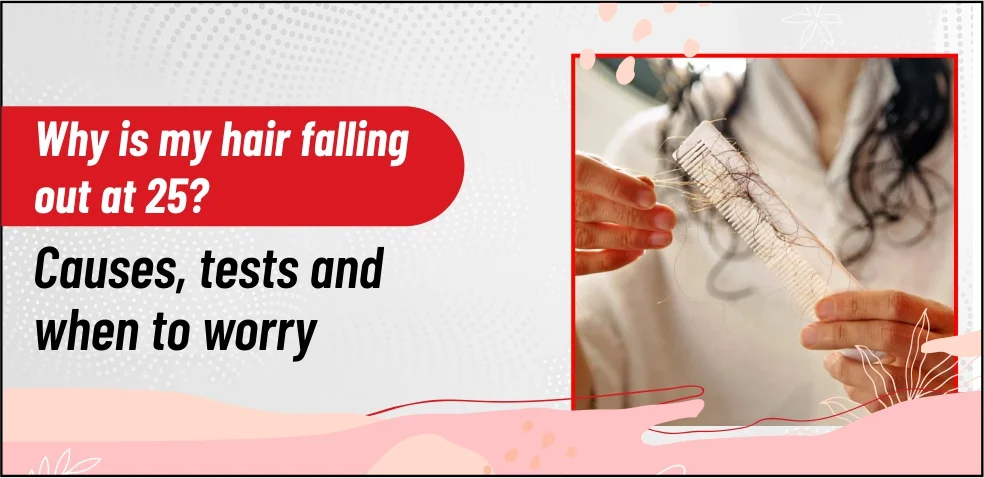
Why Is My Hair Falling Out at 25? – Causes, Tests, Early Signs & Treatment Guide (2026)

Noticing hair thinning, excessive shedding, or a receding hairline at the age of 25 can feel stressful and emotionally overwhelming. For many young men and women, early hair loss affects confidence, appearance, self-image, social interactions, and mental well-being as well.

One of the most common questions patients ask is, “Why am I losing hair so early?”

The reality is that hair loss in your 20s is becoming increasingly common due to genetics, stress, hormonal imbalance, nutritional deficiencies, scalp disorders, unhealthy lifestyle habits, pollution, and modern environmental factors.

The good news is early hair loss is often manageable when diagnosed correctly at the right stage.

At Dr. Paul’s Advanced Hair & Skin Solutions, doctors regularly evaluate young patients experiencing excessive hair fall, thinning hair, receding hairline, crown thinning, stress-related shedding, and genetic baldness

The clinic follows a diagnosis-first hair restoration approach using advanced scalp analysis, medical investigations, and personalized treatment planning. Dr Paul’s Advanced Hair & Skin Solution is Recognized for:-

  • TOI India’s No. 1 Trichology Clinic Chain Ranking
  • Membership with the American Accreditation Association (AAA
  • Advanced QHT™ Hair Restoration
  • Scientifically guided long-term hair stabilization strategies

This complete 2026 guide explains: –

  • why hair falls at 25
  • common causes
  • early warning signs
  • important tests
  • treatment options
  • when to worry
  • when to consider hair transplant

Is Hair Fall at 25 Normal?

Losing approximately 50–100 hairs daily is generally considered part of the normal hair growth cycle. However, visible thinning, excessive shedding, receding hairlines, widening partitions, or crown thinning at the age of 25 may indicate underlying issues such as:

  • genetic baldness
  • stress-related hair loss
  • hormonal imbalance
  • nutritional deficiency
  • scalp disorders
  • lifestyle-related hair damage

It is necessary to understand that hair growth normally occurs in three phases:

  • Anagen (Growth Phase)
  • Catagen (Transition Phase)
  • Telogen (Resting & Shedding Phase)

And when this cycle becomes disrupted due to medical, hormonal, or lifestyle factors, excessive hair fall begins.

Thus, the expert suggests that early diagnosis is important because many forms of early hair loss can be managed effectively if treated at the right stage.

Early Signs of Hair Loss at 25

Many patients ignore early warning signs until hair thinning becomes visibly advanced. Common early signs include: –

  • Increased hair shedding during showering
  • Hair on pillow or comb
  • Receding hairline
  • Crown thinning
  • Visible scalp under bright light
  • Reduced hair density
  • Increased hair breakage
  • Widening partition line
  • Itchy or inflamed scalp

If these symptoms continue for several weeks or progressively worsen, professional scalp evaluation is recommended.

Common Causes of Hair Fall at 25

  1. Genetics (Male Pattern Baldness)

Genetics remains one of the most common causes of early hair loss. If your father, grandfather, or close relatives experienced baldness at a younger age, you may be genetically predisposed to androgenetic alopecia.

  1. Common Signs

  • Receding hairline
  • Crown thinning
  • Gradual reduction in hair density
  • Miniaturization of hair follicles
  • Increased scalp visibility

Genetic hair loss usually progresses gradually and often begins during the early 20s. Early intervention may help preserve existing hair density and slow progression.

  1. Stress and Lifestyle Factors

Stress significantly affects the hair growth cycle. Mental pressure, anxiety, lack of sleep, excessive screen exposure, and unhealthy lifestyle habits can trigger excessive shedding.

  1. Lifestyle Habits That Can Worsen Hair Loss

  • Poor sleep schedule
  • Smoking
  • Alcohol consumption
  • High stress levels
  • Unhealthy diet
  • Physical inactivity
  • Irregular eating patterns

Stress-related shedding is increasingly common among students and working professionals in their 20s.

  1. Nutritional Deficiencies

Hair follicles require adequate nutrients for healthy growth and survival. Deficiencies in vitamins, minerals, and proteins can weaken hair roots and increase shedding. Common Nutritional Deficiencies Linked to Hair Loss

  • Iron deficiency
  • Vitamin D deficiency
  • Protein deficiency
  • Zinc deficiency
  • Vitamin B12 deficiency

Crash dieting, processed food intake, and irregular eating habits are major contributors to nutritional hair loss in young adults.

  1. Hormonal Imbalance

Hormones play a major role in regulating hair growth cycles. Even mild hormonal imbalance may lead to excessive shedding or thinning.

  1. Common Hormonal Causes

  • Thyroid disorders
  • Increased DHT sensitivity
  • Testosterone imbalance
  • PCOS in women
  • Insulin resistance

Patients experiencing unexplained thinning often require blood investigations to identify hidden hormonal triggers.

  1. Scalp Disorders and Inflammation

An unhealthy scalp environment may damage follicles and interfere with normal hair growth. Common Scalp Conditions:-

  • Dandruff
  • Seborrheic dermatitis
  • Fungal infections
  • Psoriasis
  • Folliculitis
  • Excess scalp oiliness

Ignoring chronic scalp inflammation can accelerate long-term thinning.

  1. Excessive Styling and Chemical Damage

Frequent use of harsh chemicals and styling tools may weaken hair shafts over time. Harmful Hair Practices:

  • Frequent heat styling
  • Hair bleaching
  • Repeated coloring
  • Tight hairstyles
  • Chemical smoothing treatments

Although these may not directly cause permanent baldness, they can worsen breakage and reduce hair quality.

  1. Medical Conditions and Medications

Certain illnesses and medications may trigger sudden hair fall. Possible Medical Causes: –

  • Autoimmune disorders
  • High fever or infections
  • Rapid weight loss
  • Chronic illnesses
  • Severe stress-related illness
  1. Medications Linked to Hair Loss

  • Acne medications
  • Antidepressants
  • Steroids
  • Blood pressure medicines

Professional diagnosis is important before starting any hair loss treatment.

When Should You Worry About Hair Loss at 25?

Medical consultation is strongly recommended if you experience: –

  • Sudden rapid hair fall
  • Bald patches
  • Fast receding hairline
  • Crown thinning progression
  • Severe dandruff or scalp inflammation
  • Hair loss with fatigue or weight loss
  • Eyebrow or beard hair loss
  • Hair thinning despite healthy diet

Early diagnosis significantly improves the chances of preserving natural hair density and reducing future treatment complexity.

At Dr. Paul’s Advanced Hair & Skin Solutions, advanced scalp analysis and diagnosis-first evaluation help identify root causes before recommending treatment.

What Tests Are Recommended for Hair Loss at 25?

Accurate diagnosis is one of the most important steps in successful hair restoration.

  1. Scalp Examination

Doctors evaluate:-

  • Hair density
  • Hairline pattern
  • Follicle miniaturization
  • Scalp condition
  • Donor area strength

This helps determine whether hair loss is genetic, inflammatory, nutritional, or temporary.

  1. Blood Tests

Common investigations include the following:

  • CBC (Complete Blood Count)
  • Ferritin levels
  • Vitamin D test
  • Thyroid profile
  • Vitamin B12 levels
  • Hormonal analysis

These tests help identify hidden nutritional or hormonal triggers.

  1. Hair Pull Test

Doctors gently pull small sections of hair to evaluate active shedding severity.

  1. Trichoscopy (Digital Scalp Analysis)

Advanced scalp imaging helps evaluate the following:-

  • Follicle health
  • Hair miniaturization
  • Scalp inflammation
  • Hair density
  • Donor condition

Modern scalp diagnostic tools improve treatment planning accuracy.

Can Hair Loss at 25 Be Reversed?

The answer depends on the underlying cause. However, Hair loss that may improve with treatment are :-

  • Stress-related shedding
  • Nutritional deficiency hair loss
  • Hormonal imbalance
  • Scalp inflammation
  • Temporary telogen effluvium

Hair Loss That Usually Requires Long-Term Management

  • Genetic male pattern baldness
  • Advanced androgenetic alopecia

Early treatment generally provides better long-term outcomes and helps preserve natural hair density.

Early Hair Loss Treatment Options

Treatment recommendations depend on:-

  • scalp condition
  • family history
  • donor strength
  • miniaturization stage
  • Age
  • hormonal profile
  • nutritional status

At Dr. Paul’s, treatment planning is personalized rather than generalized. Some of the treatment options are the following:

  • Medical Therapy – Doctors may recommend medications to reduce hair fall and improve follicle activity when appropriate.
  • PRP Therapy – Platelet-Rich Plasma (PRP) therapy uses growth factors derived from the patient’s own blood to stimulate dormant follicles. Benefits of PRP are : –
  1. Improves scalp circulation
  2. Supports follicle stimulation
  3. Helps reduce shedding
  4. Strengthens existing hair

PRP is commonly recommended during early stages of thinning.

  • Mesotherapy – This treatment delivers vitamins, nutrients, and growth-supporting solutions directly into the scalp.
  • Laser Hair Therapy – Low-Level Laser Therapy (LLLT) may help improve scalp circulation and follicle activity.
  • Hair Transplant Surgery – For advanced genetic baldness where follicles become permanently miniaturized, hair transplant surgery may be considered. Patients searching for advanced hair transplant in Kolkata are generally advised proper scalp evaluation before considering surgery. The overall treatment approach should focus on preserving existing hair along with restoring density.

What Is QHT™ Hair Stabilization?

QHT™ Hair Stabilization Protocol at Dr. Paul’s focuses on: –

  • identifying root causes
  • preserving existing hair
  • reducing progressive thinning
  • improving scalp health
  • delaying advanced baldness

The approach may combine: –

  • Medical therapy
  • PRP therapy
  • Mesotherapy
  • Nutritional correction
  • Scalp treatments
  • Lifestyle guidance
  • Long-term scalp monitoring

The goal is not just hair regrowth but long-term hair preservation and scalp stabilization.

How Lifestyle Changes Can Help Reduce Hair Fall

Hair health is closely connected to overall health and daily habits. Thus the expert recommend some lifestyle modifications. Some of the important Lifestyle Improvements are : –

  • Eat protein-rich balanced meals
  • Sleep 7–8 hours daily
  • Exercise regularly
  • Manage stress levels
  • Stay hydrated
  • Avoid smoking and alcohol
  • Maintain scalp hygiene

Simple lifestyle improvements may significantly reduce mild-to-moderate hair shedding.

Common Myths About Hair Loss at 25

  1. Myth 1: Only Older People Lose Hair – Hair loss may begin during late teens or early twenties.
  2. Myth 2: Wearing Caps Causes Baldness – Caps do not directly cause baldness unless they consistently irritate the scalp.
  3. Myth 3: Frequent Shampooing Causes Hair Fall – Shampooing usually removes already loose hair rather than causing hair loss.
  4. Myth 4: Hair Oils Alone Can Reverse Baldness – Hair oils may improve scalp conditioning but generally cannot reverse genetic baldness.
  5. When Does Hair Transplant Become Necessary? – Not every patient with hair loss requires surgery. However, a hair transplant may be considered if: –
  • Hairline recession becomes advanced
  • Crown baldness increases significantly
  • Medical treatments fail to maintain density
  • Donor area remains healthy

Why Early Diagnosis Matters?

One of the biggest mistakes young adults make is ignoring the early signs of thinning. Hair loss beginning at 25 may gradually progress if left untreated. Early diagnosis may help the following: –

  • Preserve natural hair
  • Slow progression of baldness
  • Reduce future treatment complexity
  • Improve long-term outcomes
  • Delay advanced hair loss

At Dr. Paul’s, the focus remains on identifying the root cause rather than offering temporary cosmetic fixes.

Why Choose Dr Paul’s Advanced Hair & Skin Solutions?

Hair restoration success starts with accurate diagnosis and individualized treatment planning. At Dr. Paul’s Advanced Hair & Skin Solutions, treatment focuses on:-

  • Advanced scalp
  • QHT™ Hair Stabilization Protocols
  • Personalized treatment planning
  • Modern hair restoration technologies
  • Long-term scalp health management
  • Medically supervised care
  • Diagnosis-first approach
  • Patient-centered recovery support

The clinic combines medical expertise, modern technology, and scientifically guided protocols to help patients manage both temporary and progressive hair loss more effectively.

Conclusion

Losing hair at 25 can feel emotionally stressful, but early thinning does not always mean permanent baldness. The most important step is identifying the real underlying cause before the condition progresses further.

Whether the trigger is genetics, stress, nutritional deficiency, hormonal imbalance, scalp disorder, and lifestyle-related damage.

Early diagnosis and scientifically guided treatment can significantly improve long-term hair health and preservation.

If you notice persistent hair fall, thinning, or receding hairline in your 20s, avoid relying only on temporary cosmetic solutions or internet myths. Professional scalp evaluation at the right stage may help preserve existing hair, slow further thinning, improve scalp health, delay advanced baldness, and reduce future treatment complexity

At Dr. Paul’s Advanced Hair & Skin Solutions, the focus remains on diagnosis-first, medically supervised, and long-term hair restoration strategies tailored to each patient’s condition and goals.

FAQ

  1. Is hair fall at 25 common?

Yes. Hair loss in the 20s is increasingly common due to genetics, stress, hormonal imbalance, poor lifestyle habits, and nutritional deficiencies.

  1. Can stress cause hair loss at 25?

Yes. Chronic stress may disrupt the hair growth cycle and trigger excessive shedding.

  1. Can hair loss at 25 be reversed naturally?

Some forms of hair loss caused by stress, nutritional deficiency, or temporary shedding may improve with proper treatment and lifestyle correction.

  1. Which blood tests are useful for hair fall?

Common tests include CBC, ferritin, vitamin D, thyroid profile, vitamin B12, and hormonal investigations.

  1. Is dandruff linked to hair fall?

Severe dandruff and scalp inflammation may worsen hair shedding and scalp irritation.

  1. When should I consider a hair transplant?

Hair transplant may be considered when hair loss becomes advanced and medical treatments are unable to maintain adequate density.

  1. Does early treatment improve hair loss outcomes?

Yes. Early diagnosis and treatment usually provide better chances of preserving natural hair density and delaying advanced baldness.

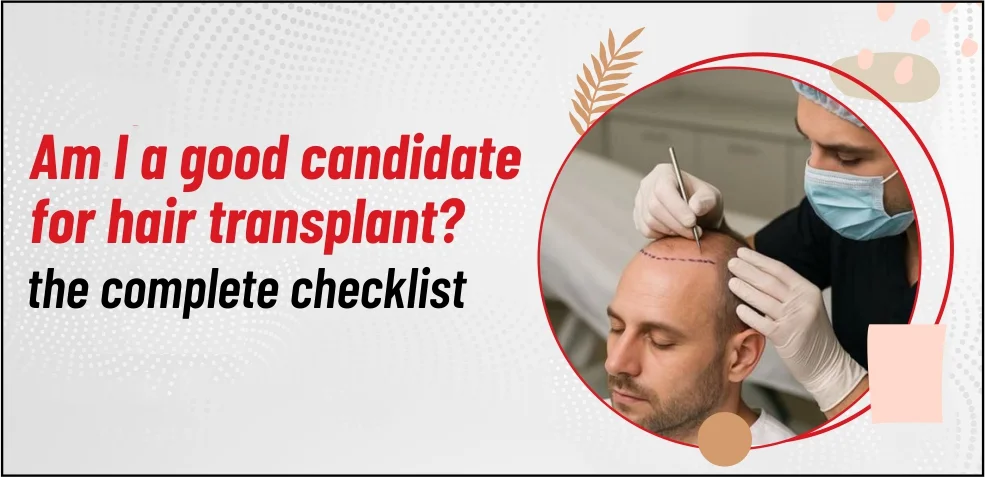
Am I a good candidate for a hair transplant? – The Complete Checklist

Hair loss can impact the appearance, confidence, and even emotional health and can cause people to look into permanent options for restoration. But one of the most frequent concerns patients have prior to undergoing treatment is, “Am I a candidate for a hair transplantation?”

At Dr. Paul’s Advanced Hair and Treatment Clinics for Skin, every patient goes through an extensive assessment to determine if they are suitable prior to undergoing the procedure. Although hair transplants are highly efficient, not all are ideal candidates at the time. Things like age, hair loss patterns, donor hair quality, and general health play an important role in the success of the procedure.

This comprehensive guide explains how to get a hair transplant and what constitutes an ideal hair transplant candidate in India and the most important lifestyle and medical factors that doctors look at prior to suggesting treatment.

What Makes Someone a Good Hair Transplant Candidate?

The procedure involves moving healthy hair follicles in a donor region to thin or bald areas. Since the availability of donor hair is very limited, the success of the procedure is contingent on a proper plan and selection of the patient. A great potential candidate for a hair transplant in India typically has the following characteristics:

  • Stable hair loss pattern
  • Donor hair that is in good supply
  • Hair health and condition
  • Realistic expectations
  • Healthful overall

The aim is not just to perform surgery but to achieve natural, lasting, and visually balanced outcomes.

Checklist: Am I Eligible for Hair Transplant?

  1. Do You Have Pattern Hair Loss?

The best candidates are those who have:

  • Male pattern baldness
  • Female pattern hair loss
  • Hairline receding
  • Thinning of the crown
  • Patches of balding that are stable

The majority of these conditions react well to transplantation since the donor hair is resistant to loss of hair.

But, if the fall in hair is due to temporary causes like food insufficiencies, stress, or a medical condition, surgery might not be the best option. Clinics that specialize in hair transplants in Kolkata usually start with a scalp examination and diagnostic assessment prior to deciding whether or not to perform a transplant.

  1. Is Your Hair Loss Stable?

The most crucial aspects to consider when deciding who is eligible for hair transplants are the stability of hair loss.

Why Stability Matters

If hair loss continues to increase rapidly, hair transplants could remain in place while the natural hair surrounding them is thinning. This can result in an unevenness in density as time passes.

Doctors typically prefer patients whose loss of hair pattern is stable, particularly for people who are younger.

Signs of Stable Hair Loss

  • Hairline recession has been slowed
  • The pattern of baldness remains constant
  • Thinning hair hasn’t gotten any worse substantially in recent months.

At Dr. Paul’s Advanced Hair and Treatment Clinics for Skin, experts carefully evaluate progression patterns prior to recommending surgical procedures.

  1. Do You Have Enough Donor Hair?

The success of hair transplants largely rests on the donor’s area of expertise.

What Is the Donor Area?

The donor region typically includes the sides and back of the scalp, where hair follicles are genetically insensitive to hair loss.

Important Factors Doctors Check

  • Hair density
  • Hair thickness
  • Follicle quality
  • Scalp flexibility

A large donor area can improve the longevity of grafts as well as overall density. Patients who have limited donor hair may require different methods or a combination of treatments.

In determining if it is possible to receive a hair transplant, donor availability is one of the primary determining factors.

  1. What Is Your Age?

Age is an important factor in determining the best donor for hair transplants in India.

Ideal Age for Hair Transplant

Many experts suggest waiting until you are at least 25 years old, as the patterns of hair loss are more predictable after this age.

Can Younger Patients Undergo Hair Transplants?

Yes, however, it is only after careful analysis. The younger patients who have experienced rapid hair loss might require medical interventions prior to surgery.

Older Patients and Hair Transplant

There is no definite upper age limit, provided the patient is healthy and has adequate donor hair. A lot of patients who are in their 50s, 40s, and even 60s can achieve outstanding results.

  1. Is Your Scalp Healthy?

A healthy scalp environment can improve healing and the longevity of grafts.

Conditions That May Affect Eligibility

  • Severe dandruff
  • Scalp infections
  • Psoriasis
  • Active dermatitis
  • Excessive inflammation

Before they recommend the procedure, clinics that provide hair transplants in Kolkata typically address these issues with scalp to ensure greater results.

  1. Do You Have Realistic Expectations?

Hair transplants can dramatically enhance the appearance of a person, but expectations must be reasonable.

Important Things to Understand

  • The density of hair may not be as high as that of teenagers.
  • Results are complete after 12 to 15 months.
  • Some patients might require several sessions.
  • Existing hair loss may continue over time.

Patients who are aware of the procedure and limitations typically experience more satisfaction following the procedure.

At Dr. Paul’s Advanced Hair and Treatment Clinics for Skin, the focus is on the education of patients and long-term plans.

  1. Are You in Good General Health?

The general health of the patient directly affects the healing process and recovery following surgery.

Doctors Usually Evaluate

  • Diabetes
  • Blood pressure
  • Heart problems
  • Autoimmune disorders
  • Bleeding disorders

Patients suffering from medical conditions that are controlled can still receive a transplant with proper evaluation.

Lifestyle factors also matter

  • Smoking
  • Alcohol consumption
  • Stress levels
  • Sleep quality

Lifestyle habits that promote health and wellness are beneficial to the healing and survival of grafts.

  1. Are You Experiencing Temporary Hair Loss?

Some hair loss does not require transplantation. Temporary Hair Loss Conditions Include:

  • Telogen effluvium
  • Hair loss due to stress
  • Hair loss after illness
  • Nutritional deficiencies
  • Hormonal imbalance

These conditions can be improved by using medications and treatments for the scalp rather than surgical procedures.

People who are wondering if I qualified for a hair transplant must first undergo a proper diagnosis to pinpoint the root cause behind hair loss.

Who Can Get a Hair Transplant?

Hair transplantation is typically appropriate for:

  • Men with male pattern baldness are the most common type of patient who undergoes transplantation.
  • Women with hair that is thin hair – Women who experience localized, thinning, or a steady loss of hair could also be eligible.
  • Patients suffering from Beard and Eyebrow Hair Loss – Hair restoration is a possibility for facial hair too.
  • Hair loss sufferers who have scars – Hair transplants can assist in restoring the growth of hair in scarred areas resulting from burns or injuries.

Who May Not Be an Ideal Candidate?

Not all people are eligible for immediate surgery.

  • Patients with Severe Hair Loss – Limited donor follicles may restrict transplant possibilities.
  • Patients suffering from uncontrolled medical conditions – Certain health conditions can increase the risk of surgery.
  • Very young patients with rapid hair loss – Doctors may suggest postponing surgery until patterns have stabilized.
  • Patients Expecting Unrealistic Density – Hair transplantation can improve appearance, but it is not able to recreate the density of hair.

This is the reason why choosing experts with years of experience is crucial when making a decision on those who can perform hair transplants efficiently and safely.

Hair Transplant Techniques for Different Candidates

Different candidates may require different techniques depending on scalp condition and goals.

  • FUE (Follicular Unit Extraction) – Ideal for patients looking for minimal marks and faster recovery.
  • FUT (Follicular Unit Transplantation) – Ideal for those who require a larger graft number.
  • DHI (Direct Hair Implantation) – An advanced method of implantation for hairline precision and a higher density. Clinics that offer advanced hair transplants in Kolkata generally recommend procedures, basing their treatment on an analysis of each scalp instead of a universal method.

Psychological Readiness Matters Too

Hair transplantation isn’t only an aesthetic procedure; it also has emotional expectations.

Good Candidates Usually:

  • Be aware of the gradual growth timeframes
  • Remain patient during recovery
  • Have realistic goals for confidence
  • Carefully follow the aftercare guidelines

Patients who anticipate a transformation overnight may be anxious in normal recovery phases.

Questions to Ask Yourself Before a Hair Transplant

Before deciding, ask yourself:

  • Is my hair loss stable?
  • Have I got enough hair from a donor?
  • Am I willing to observe my aftercare routinely?
  • Are my expectations realistic?
  • Have I spoken to a specialist who is experienced?

These questions will help you determine if you’re a good applicant for hair transplants in India.

Does Cost Affect Candidate Selection?

Many patients concentrate on cost; however, the quality of evaluation is equally crucial. The total price of a hair transplant in Kolkata is dependent on the requirements for grafts, the technique used, and the expertise in the clinic.

Some patients who aren’t immediately candidates might require medication, PRP therapy, or scalp treatments before surgery is deemed suitable.

A well-run clinic will prioritize the long-term effects over any unnecessary procedures.

Why Proper Consultation Is Important

The professional advice of a consultant can help you decide:

  • Hair loss causes
  • Donor area quality
  • Progression of baldness over time
  • The number of grafts required
  • Most suitable treatment technique

At Dr. Paul’s Advanced Hair and Skin Solution Clinics, consultations are planned to provide individualized treatment plans instead of generic treatments. The main goal is to provide the most natural, safe, and long-lasting outcomes for each patient.

Why Choose Dr Paul’s Advanced Hair & Skin Solutions Clinics?

Finding the right hair restoration clinic is crucial to the successful restoration of hair. Dr Paul’s Advanced Hair and Skin Solutions Clinics are a combination of advanced technology, highly skilled specialists, and medically regulated procedures to guarantee the highest standards of treatment.

The benefits of this include:

  • Hair analysis and personalized scalp analysis
  • Advanced hair restoration techniques
  • Concentrate on natural-looking results
  • Post-treatment and pre-treatment treatment
  • Highly experienced doctors and certified technicians
  • Long-term hair health and management

Through a thorough examination of each patient, the clinic is able to determine if the patient is suitable and is prepared for a successful transplantation.

Final Thoughts

If you’re wondering, “Am I qualified for the transplant of my hair?” The answer is contingent on a variety of factors, including the stability of hair loss and donor area quality, health of the scalp, age, and general health.

Knowing the types of people who are eligible for hair transplants can help patients make educated decisions and avoid excessive expectations. A successful procedure isn’t solely about the surgery itself, but selecting the right person, the appropriate technique, and the appropriate medical guidance.

If you are looking to consider hair transplants in Kolkata, seeking a professional consultation is the essential initial step. With a proper assessment along with realistic planning and professional care, hair transplantation could provide long-lasting, natural-looking, and confidence-building results.

6 dermatologist suggested Hair Care After Hair Transplant

For those who are experiencing hair loss or thinning, a hair transplant can be a life-changing treatment. However, appropriate post-transplant care is just as important to the procedure’s success as the procedure itself. Dermatologists emphasise that, for optimal healing, robust hair growth, and long-lasting results after a transplant, following the proper hair care regimen is essential.

This article will discuss six hair care recommendations from dermatologists following a hair transplant, as well as advice on when to get professional assistance and how skilled clinics may aid in your recuperation.

The Significance of Post-Transplant Care

Your scalp goes through a healing phase following a hair transplant, during which time freshly transplanted follicles require time to settle and develop. The scalp is delicate and susceptible to damage, inflammation, and infection during this time.

Inadequate care may result in:

  • Low graft survival
  • Inflammation or infections
  • Postponed recovery
  • Unsatisfactory outcomes

In order to protect the transplanted area and promote healthy hair development, physicians strongly advise a planned aftercare regimen.

  1. Use gentle cleaning methods: After a transplant, you need to wash your hair with special caution. Depending on your doctor’s recommendations, the majority of dermatologists recommend delaying the initial wash for at least two to three days.

Key advice:

  • Use a gentle shampoo that doesn’t include sulfates.
  • Refrain from applying direct water pressure to your scalp.
  • Pour water gently rather than rubbing
  • Use a gentle cloth to pat dry.

Mild cleaning protects recently implanted grafts and keeps the scalp clean.

  1. Don’t Scratch or Touch the Scalp: Itching is a normal aspect of the healing process following a hair transplant. On the other hand, rubbing or scratching the scalp can cause grafts to come loose and raise the risk of infection.

How to Begin

  • Avoid touching the treated area with your hands.
  • Don’t pluck scabs.
  • To reduce irritation, apply lotions or sprays as directed.
  • Successful outcomes depend on letting the scalp recover on its own.
  1. Prevent Sun Exposure to Your Scalp: After a transplant, the scalp becomes extremely sensitive, and exposure to bright sunlight can harm repairing tissues and reduce graft survival.

Safety precautions:

  • For at least two to three weeks, stay out of the sun.
  • When you’re outside, wear a loose-fitting cap.

In order to avoid difficulties and ensure appropriate healing, sun protection is essential.

  1. Steer clear of physically demanding activities: During the first phase after recovery, physical activities that stimulate blood flow to the scalp or induce perspiration should be avoided.

Try to stay away from:

  • Excessive physical activity
  • Exercises at the gym
  • Swimming
  • Lifting or bending large things

These actions may worsen swelling and interfere with the healing process.

  1. Eat a balanced diet and drink plenty of water: After a transplant, nutrition is crucial for hair development and healing. Dermatologists advise emphasizing a healthy, balanced diet to promote hair health. Add food rich in:
  • Foods high in protein (eggs, beans, nuts)
  • Vitamins such as iron, vitamin D, and biotin
  • Fresh produce
  • An abundance of water

Stronger hair growth and quicker recovery are encouraged by a nutritious diet

  1. Adhere to your medication and Follow-Up Care: Medication may be prescribed by your doctor to support hair growth, lessen swelling, and prevent infection.

Follow steps like:

  • Take all prescription drugs as prescribed.
  • Keep your follow-up appointments.
  • Report any strange symptoms right away.

Long-term success and improved results are ensured when medical care is consistent.

Common Experiences Following Transplantation

Following a hair transplant, the following symptoms are commonly seen :

  • Moderate redness or swelling
  • grafted hair that temporarily sheds (shock loss)
  • Scab development on the scalp

These often go away in a few weeks and are a part of the natural healing process.

Dos and Don’ts Following a Hair Transplant

Your results following a hair transplant can be greatly impacted by adhering to the proper dos and don’ts. Some dos and don’ts are the following: –

  • Do pay close attention to what your doctor says.
  • Maintain a clean scalp.
  • Take prescription drugs as directed.
  • Make sure you get enough sleep
  • Stay away from anything that could cause your scalp to strain.

Conversely, refrain from touching or scratching the treated region, abstain from alcohol and tobacco during the healing process, and avoid using strong hair products. Additionally, it’s critical to protect your scalp from dust and harsh sunlight. Keeping these easy behaviors in mind promotes greater results for hair growth and quicker healing.

When to Get Medical Assistance

Even though most recoveries go well, see your doctor if you observe the following:

  • Excessive discomfort or oedema
  • Infection-related symptoms (fever, pus)
  • Prolonged bleeding
  • No discernible progress over time
  • Early intervention can enhance outcomes and avoid complications.
  • Professional Hair Clinics’ Function in Recovery

Just as crucial as post-care is selecting the appropriate clinic. In addition to performing the treatment, a professional clinic offers comprehensive guidance for the duration of your recuperation.

Skilled dermatologists ensure

  • Appropriate diagnosis and planning of treatment
  • Safe surgical methods
  • Individualized instructions for aftercare
  • Regular progress monitoring

This all-encompassing strategy raises the likelihood of favorable results.

About Advanced Hair & Skin Solutions by Dr. Paul

Dr. Paul’s Advanced Hair & Skin Solutions is a reputable name in dermatology and hair restoration for anyone looking for dependable and cutting-edge hair transplant services. The clinic, which is well-known for its knowledge and patient-focused philosophy, provides a variety of therapies that are customized to meet each patient’s needs.

Advanced procedures like hair transplants, PRP therapy, anti-hair fall treatments, and scalp care products are offered by Dr. Paul’s. These procedures are carried out utilizing cutting-edge technology and clinically established methodologies. Their staff of skilled dermatologists ensure precise diagnosis, individualized treatment regimens, and comprehensive post-transplant care instructions.

The clinic’s emphasis on long-term outcomes and patient satisfaction is what makes it unique. Patients receive ongoing assistance and professional guidance from consultation through recovery to ensure the best possible healing and hair growth. Additionally, the clinic places a strong emphasis on education, teaching patients how to take care of their scalp and sustain treatment outcomes.

Dr. Paul’s provides all-inclusive solutions under one roof, whether you’re thinking about getting a hair transplant or require professional post-procedure care.

Conclusion

Excellent results can be obtained from a hair transplant, but for it to be as successful as possible, good aftercare is necessary. You can be assured of quicker healing, improved graft survival, and healthier hair growth by adhering to these dermatologist-recommended hair care recommendations.

Simple practices like washing your hands gently, staying out of the sun, eating a nutritious diet, and heeding medical advice can have a big impact on your healing process. When combined with professional advice from a reputable clinic, these methods can help you get long-lasting, natural benefits. Your hair transplant journey will be seamless, safe, and successful if you invest in both the process and the aftercare

FAQs

  1. After a hair transplant, how long does it take to see results?

New hair growth usually starts after three to four months, though initial hair loss may happen during the first few weeks (shock loss). Usually, full improvements become apparent in nine to twelve months.

  1. Is it OK to shampoo your hair after receiving a hair transplant?

Yes, but only under your doctor’s supervision and with caution. After two to three days, mild washing can usually start using a soft approach and a mild shampoo.

  1. Can I work out following a hair transplant?

Sweating and increased blood flow can impact healing and graft stability; thus, intense exercise should be avoided for at least one to two weeks.

  1. Is a hair transplant long-lasting?

Since the follicles are removed from regions that are resistant to hair loss, transplanted hair is typically permanent. But maintaining outcomes requires careful attention.

  1. What precautions should I take to stay away from following a hair transplant?

To avoid issues and ensure appropriate healing, stay away from strong hair products, smoking, alcohol, sun exposure, and scalp scratching during the healing phase.

Hair Transplant Success Rate: Check 11 Tips for Long-Lasting Hair

There is nothing more annoying than realizing that losing hair will affect confidence and personal image. A hair transplant has now become the long-term trusted solution for many in India. But one of the questions that I get from patients most frequently is, “What is the real success rate of a hair transplant, and what steps can I take to ensure it lasts?”

Well, the fact is that nowadays 90–95% success rates can be achieved by hair transplant procedures, but it varies based on some elements, including the skill of your surgeon, aftercare and your health condition. Undergoing the procedure isn’t enough on its own, however. The results need an informed decision to be made and disciplined aftercare.

In this guide, we’ll unpack everything you need to know and take you through 11 tips, backed by experts, to ensure a hair transplant that looks natural and has longevity.

Understanding Hair Transplant Success Rate

Before offering you tips, it’s crucial to gain an understanding of what “success” actually means when it comes to a hair transplant.

A successful procedure generally includes:

  • The rate of graft survival is also very high (over 90%)
  • Natural-looking hairline
  • Even density across the scalp
  • Minimal scarring
  • Long-term hair growth

Techniques such as modern FUE (Follicular Unit Extraction) and FUT (Follicular Unit Transplantation) have dramatically improved results, however. But success is not just the surgery; it’s the entire journey — from consultation to healing.

11 Expert Tips for Long-Lasting Hair After a Transplant

Let’s move to what truly matters—how to make your results last.

  1. Choose an Experienced and Qualified Surgeon

This is the most critical factor that determines your hair transplant success rate.

An experienced surgeon understands:

  • Hairline design suited to your face
  • Proper graft extraction techniques
  • Correct angle and direction of implantation

You’ll find plenty of clinics in India offering low-cost procedures. But keep in mind, a badly done transplant can yield artificial results or even graft failure. Always:

  • Check credentials and certifications
  • Review before-and-after photos
  • Read genuine patient testimonials

Pro Tip: When it comes to having to restore your hair, never pick cost over expertise.

  1. Understand the right Technique for You

Not all hair transplant procedures are adapted for everyone. There are two popular techniques to do the same:

  • FUE (Follicular Unit Extraction):
    • Faster healing time, Less invasive, no linear scar
  • FUT (Strip Method):
    • Suitable for large graft requirements, slightly longer recovery

Your surgeon should recommend the right technique based on:

  • Hair loss pattern
  • Donor area strength
  • Budget and expectations

Selecting the incorrect method can damage both the success rate and final appearance.

  1. Assess Your Donor Area Quality

Your donor area (usually the back of the scalp) plays a very important role.

Nourishing donor hair ensures:

  • Better graft survival
  • Higher density
  • Natural look

If the donor area is weak or sparse, even the best procedure won’t deliver ideal results. A good clinic will always assess this before proceeding.

  1. Follow Pre-Surgery Instructions Carefully

The steps leading up to the treatment are as critical as the treatment.

Doctors usually recommend:

  • Avoiding alcohol and smoking for a week prior to surgery
  • Stopping blood thinning medications – with proper medical guidance
  • Preparing your scalp before; Properly wash your scalp

These measures enhance blood flow, reduce obstacles and increase the success rate.

  1. Understanding Realistic Outcomes

Hair transplants can be miraculous, but they are no magic.

Here’s what you can realistically expect:

  • Initial shedding of transplanted hair (shock loss)
  • Visible growth after 3–4 months
  • Full results in 9–12 months

Unrealistic expectations often lead to dissatisfaction, even when the procedure is technically successful.

  1. Prioritise Post-Operative Care

Post-surgery care is where many patients go wrong.

Key instructions include the following:

  • Do not touch or scratch your scalp
  • Sleep with your head elevated for a few days
  • Take your medications as prescribed and use recommended shampoos

Ignoring aftercare can lead to:

  • Infection
  • Graft damage
  • Poor hair growth

Regular aftercare is vital in achieving long-term results.

  1. Say No to Drinks

Blood flow to the scalp is reduced if you smoke, and alcohol can slow recovery. After a hair transplant, your scalp needs:

  • Proper oxygen supply
  • Healthy blood circulation

Avoid:

  • Smoking for at least 2–3 weeks
  • Alcohol for at least 7–10 days

This small sacrifice can significantly improve graft survival.

  1. Eat Right for Healthier Hair

Your diet directly impacts your hair quality because what you eat shows in your locks. See if you can add more of these to your meals:

  • Protein – eggs, paneer, lentils (helps keep hair strong)
  • Iron–Spinach, Beetroot (helps to reduce hair fall)
  • Biotin – seeds and nuts (helps with growing)
  • Omega-3 fatty acids – flaxseeds, walnuts (helpful for scalp health)

An Indian diet which is balanced can help in growing the hair naturally and strengthening those newly transplanted follicles.

  1. Protect Your Scalp from Sun and Dust

India’s climate — particularly in urban areas — can be tough on a healing scalp.

After your transplant:

  • Do not expose yourself to direct sunlight for a minimum of 2 weeks
  • If going out, wear a loose hat
  • Stay away from dusty environments

Exposure can irritate the scalp and harm newly implanted grafts.

  1. Know the Hair Growth Process

Patience is crucial since hair growth takes a long time.

Typical timeline:

  • 2–3 weeks: Shedding phase
  • 3–4 months: New hair begins to grow
  • 6 months: Noticeable improvement
  • 12 months: Full results

Patients rush during the shedding stage and panic, but all this is normal. Trust the process.

  1. Connect with Your Doctor

You check in regularly to see that everything is on track.

Your doctor may:

  • Monitor hair growth
  • Adjust medications
  • PRP Treatment Always Recommended Results
  • Skipping follow-ups can mean missing early signs of complications.

Some More Tips for Long-Lasting Results

Other than the basics, here are some few extra tips to help your hair transplant survival rate.

  • Use mild, sulphate-free shampoos
  • Avoid harsh chemical treatments initially
  • Yoga or meditation focusing on stress management
  • Stay hydrated

Such little habits, when followed religiously can keep your hair healthy.

Don’t Do These Mistakes

Even with the best of intentions, there are some common mistakes that can adversely affect your hair transplant outcome. If you keep these as your context, you will have better and long-term results.

  • Pursuing only price when selecting clinics: While low-cost procedures can be tempting, they come as a detriment to quality, hygiene or expert knowledge. A surgeon having minimal experience may lead to bad graft placement and artificial-looking outcomes, which are not easy to rectify later on.
  • Not adhering to aftercare instructions: Aftercare is essential to graft survival. And not adhering to the protocols — inadequate washing, scalp touch, and neglecting medication — can harm the follicles and impede healing.”
  • Believing results happen overnight: Post-transplant hair growth is a process! Some shedding is normal, and results can be seen in a few months. The insane expectations lead to anxiety and discontent.
  • Excessive heat or pollution on scalp: Sunlight, dust and pollutants can irritate your healing scalp, leading to affecting graft survival. Scalp protection, especially in those early weeks, is critical.

Steering clear of these traps can make your results much better and help a smoother recovery.

Wondering if the Hair Transplants are Long-Lasting?

A lot of patients want to know if the results last.

Mostly, the results last for a long time.

Hair that is transplanted is harvested from areas that are resistant to hair loss, or:

  • It is less likely to fall out
  • It continues to grow naturally

But existing (non-transplanted) hair can continue to thin with age. Which is never one of the reasons doctors sometimes recommend:

  • Maintenance treatment
  • Medications like minoxidil or finasteride

Cost vs Success: Which Is More Important?

In India, hair transplant prices may be anywhere from ₹30,000 to ₹1,50,000 or beyond based on the clinic and method. Although being affordable is relevant, selecting a procedure only based on cost can be dangerous.

  • The quality of the treatment is what matters. Always prioritise:
  • Clinic reputation
  • Surgeon’s expertise
  • Hygiene and safety standards

If a transplant is done poorly, however, it may result in unsatisfactory results and require a corrective procedure at a later date. Spending money on the right clinic means less in the long term and avoids emotional trauma as well.

Conclusion

A hair transplant can be a life-changer, but only if it is done right. The success rate of modern procedures is high, which is encouraging; but it’s the choice and commitment that will make all the difference.

Every aspect from choosing a senior surgeon to adhering to its role in postoperative care religiously helps you in obtaining results which are long-lasting and appear natural.

If you’re thinking about a hair transplant, treat it like a long-term investment in yourself. So research it, ask questions and stick to aftercare.

If done correctly, it is not just about having your hair back—it’s about getting your confidence back.

FAQs

  1. How much is the average hair transplant success rate in India?

In India, the hair transplant success rate is around 90%-95% (varies due to the surgeon’s experience and skills employed in surgery, compatibility of a patient with health for surgery, and & adherence to post-surgical care).

  1. How long until complete results are visible after a hair transplant?

Shedding will begin within a few weeks; hair growth will commence at between 3 and 4 months, and full results are generally seen 9–12 months following treatment.

  1. A hair transplant is a permanent solution for hair loss?

Yes, transplanted hair is generally permanent since it’s harvested from resistant zones. But you’d need maintenance procedures or medications in the long term, as natural hair loss can continue.

  1. Does a hair transplant hurt?

Hair transplantation surgeries are done under local anesthesia thus they are mostly painless also. Some mild discomfort, swelling or soreness after surgery may occur, but this subsides within a few days.

  1. Does hair transplant have any side effects or risks associated with it?

Typical side effects are redness, swelling, itching and temporary numbness. They are generally mild and transient. When performed by a qualified and experienced surgeon, serious complications are rare.

Is a Hair Transplant Worth It in Your 20s or 30s? Real Results, Regrets, and Long-Term Planning

At 45, hair loss is often expected. But in your 20s or 30s, hair loss can feel unnerving, maybe even unfair.

Over the past decade, the age at which patients seek hair transplantation has steadily decreased. It has become common for people in their 20s or 30s to seek surgical correction for hair thinning. While some factors like stress, lifestyle, and heredity traits often lead to a significant decrease in hair volume, social visibility, and professional pressures, improved surgical techniques may drive people to seek early intervention.

Considering the advancements in the medical field, the question is not about the efficacy of hair transplants at an early age. The real question is whether a hair transplant is worth it in your 20s or 30s.

In some cases, hair loss can be reversed naturally. Other cases, however, require medical intervention to preserve and restore the hair volume. So, how do you know if getting a hair transplant in your 20s or 30s is a hasty decision or a timely one?

This blog explores the truth about hair transplants for people in their 20s and 30s. Read on if you are curious about the expected results, potential regrets, and the long-term outlook of this procedure. For details, you can consult the best hair transplant clinic in Kolkata.

Hair Loss in Your 20s or 30s: Know the Biology

When experiencing hair loss in your 20s or 30s, the first thing you need to do is determine its type. Temporary loss of hair brought about by stress, insufficient nutrition, lifestyle imbalance, and other similar factors does not require a hair transplant. You can regain your hair volume by restoring balance in your diet and lifestyle. If needed, consult a dermatologist for guidance on hair care, supplements, and other measures.

A hair transplant, however, might be a good option to think about if you are suffering from pattern hair loss.

Most people seeking early transplantation have androgenetic alopecia. It is a genetic condition often triggered or worsened by the sensitivity of your follicles to dihydrotestosterone (DHT). Over time, DHT causes the susceptible hair follicles to shrink, producing progressively thinner hair until the thinning becomes apparent.

In men, the early recession usually begins at the temples. This advances to frontal thinning and may eventually involve the crown. Women, in general, experience diffuse hair thinning throughout the scalp rather than at specific spots.

Hair Transplant in 20s or 30s: Is It Any Help?

In a hair transplant procedure, the surgeons harvest follicular units from the occipital donor region. This area lies along the lower back of your head and is genetically resistant to DHT. When these follicles are properly implanted into thinning areas, the graft survival rates typically exceed 90%.

If executed well, a hair transplant in your 20s or 30s can:

  • Reconstruct a natural-looking hairline
  • Improve hair density at the crown of your head
  • Offer long-term growth of the transplanted follicles
  • Enhance your facial framing in a subtle, proportionate manner

Hair transplant at an early age also has some biological limits, including the following:

  • It cannot halt the progression of androgenetic alopecia
  • It does not increase the total number of hair follicles on your head
  • It does not restore adolescent-level hair density
  • The procedure relies on a limited supply of donor follicles

A person has approximately 5,000 to 7,000 grafts available as donors, depending on their hair density and scalp characteristics. It is essential to use this limited resource mindfully. This is especially true for younger individuals, who may require future procedures.

Hair Transplant in Your 20s: Clinical Considerations

The 20s are the most debated decade for hair transplantation. The technical feasibility of the surgery is not the concern here. The issue is the long-term outlook on the procedure performed this early on.

Core Risks in an Early Intervention

Consider a person in their 20s who opts for an aggressive low hairline construction using high graft numbers. Over time, they will experience the natural loss of the non-transplant hair in specific areas due to androgenetic alopecia. This can lead to an unnatural-looking contrast in the density of their hair.

This scenario often raises the need for secondary procedures. And, if the initial surgery used up a significant portion of the donor reserve, it leaves limited scope for any follow-up procedure.

The key concerns of a hair transplant in the 20s include:

  • Unstable or evolving hair loss patterns as you age
  • Higher probability of progression to advanced hair loss
  • Increased likelihood of requiring multiple procedures over time

When a Hair Transplant May be Appropriate in the 20s

A surgeon may consider a hair transplant if:

  • The hair loss pattern has been relatively stable over time
  • Medical therapy has been offered optimally
  • High donor density
  • Hairline design is conservative
  • The recipient understands long-term progression and maintenance

Even in these cases, most surgeons prefer a restrained approach. They prioritize frontal framing while preserving the donor reserve to reduce future risk.

Hair Transplant in Your 30s: Clinical Considerations

While still not ideal, considering a hair transplant in your 30s is better than doing so in your 20s. It is because by this age, hair loss patterns are generally more established and predictable. This allows for a more strategic approach to the procedure.

People in their 30s also approach a hair transplant with clearer and more realistic expectations. Instead of seeking an adolescent-level hair density, they aim for proportionate restoration.

Hairline placement in this age group is typically:

  • Slightly higher than teenage hairlines
  • Expected to age naturally
  • Balanced with an anticipated future thinning

For people experiencing extensive pattern hair loss, transplantation in the 30s can offer an appropriate balance between timing and long-term sustainability.

Females in Their 20s or 30s: Additional Considerations

Women typically experience diffuse hair thinning. It can involve the recipient as well as the donor areas. This often limits candidacy among women seeking a hair transplant in their 20s or 30s.

A surgeon might consider a hair transplant if:

  • Hair thinning is localized instead of diffuse
  • The density of donor follicles is preserved
  • Hormonal and nutritional causes are excluded
  • Optimal medical therapy has been offered

In most women with diffuse androgenetic alopecia, dermatologists recommend medical therapy as the appropriate primary treatment.

What Can You Expect from the Surgery?

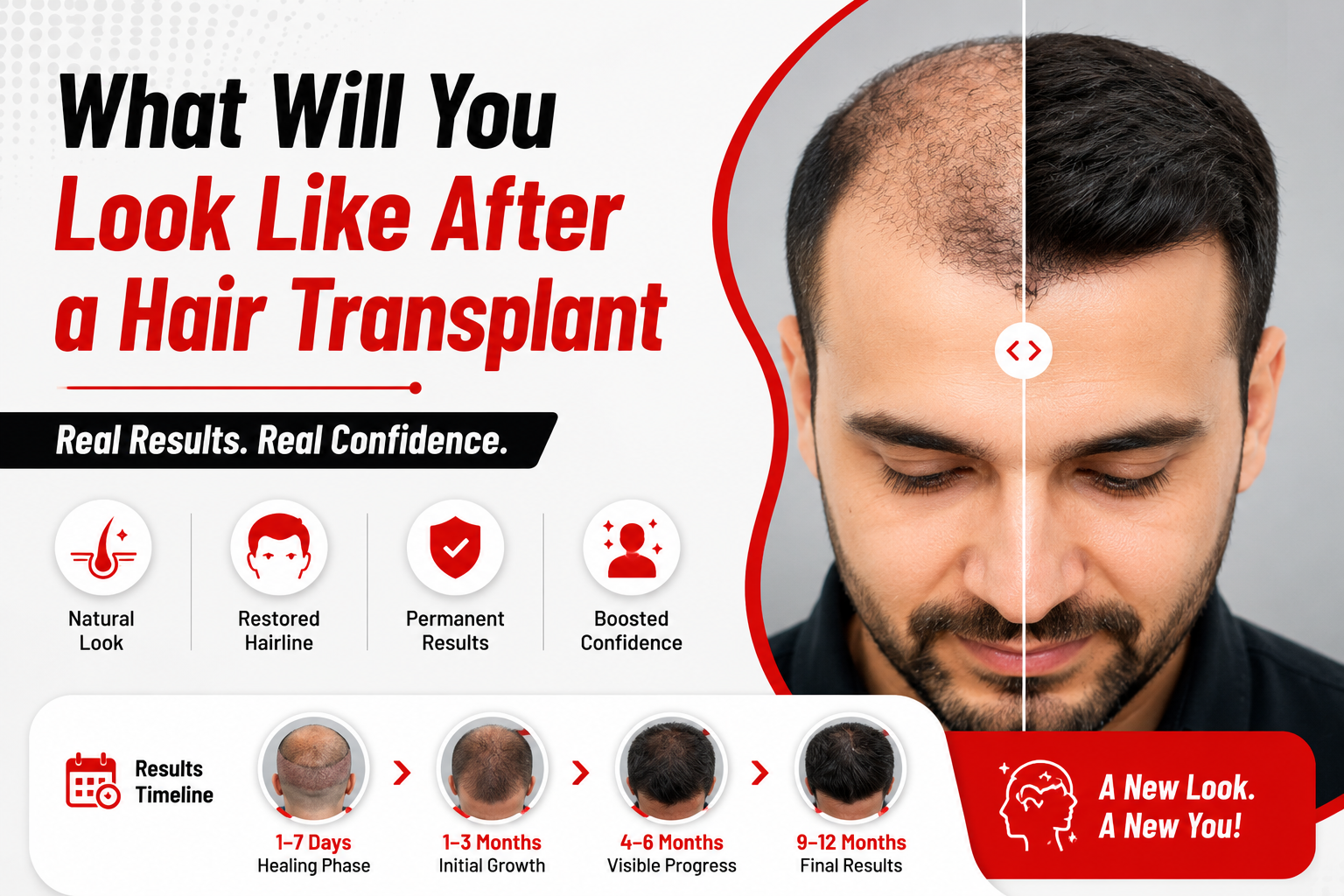
After the surgery, you can expect the following progression:

  • Transplanted hairs typically shed within the first month
  • Early growth of new hair begins around the third or fourth month
  • The hair density improves noticeably by the sixth month
  • Final maturation may take up to a year

In your 20s and 30s, the primary goal of a hair transplant is to provide visual fullness. The surgeons achieve this by the strategic placement of grafts in appropriate areas while also considering donor limitations.

The long-term results of this procedure do not merely rely on graft survival. They also include preservation of native hair and an ample donor reserve for any future procedures.

Long-term Regrets: Records from Previous Procedures

Long-term regrets from an early hair transplant procedure often follow a similar pattern.

The most common ones include:

  • Hairlines placed too low for long-term aging
  • Failure to anticipate hair loss progression in the following years
  • Excessive harvesting of follicles and thinning at donor sites
  • Procedures focused on graft numbers rather than graft placement and design
  • Discontinuing medical therapy after the transplant

Is a hair transplant worth it in your 20s or 30s?

Your key takeaway from this blog should be this: Even in your 20s or 30s, think of a hair transplant as a long-term medical decision rather than a quick fix.

In your 20s, the progression of hair loss is unpredictable, and donor preservation is important. At this stage, stabilizing the condition with medical therapy and conservative planning for the procedure is necessary.

Increased predictability in your 30s enables you to make decisions with greater assurance. However, long-term progression still needs to be a major determinant in procedure planning.

Careful evaluation and responsible planning can make a hair transplant worthwhile in both these age groups. On the other hand, a rushed plan without long-term foresight can lead to challenges that persist over the decades to come.

Ultimately, your decision should be guided by long-term goals and realistic expectations, not urgency or comparison. Consult with a dermatologist for a more individualised opinion on whether a hair transplant would be worth it at your age.

Nanoplastia Hair Treatment: Check Price, Benefits, and Side Effects

Frizz, dryness, breakage, unmanageable curls, or lifeless locks that refuse to shine. Millions of people across the world struggle with one or more of these hair concerns every day. The general quest for smoother, healthier, and more manageable hair has led to the emergence of several advanced hair treatments.

One such treatment stealing the limelight these days is nanoplastia. As a gentler and more advanced alternative to traditional keratin smoothing, nanoplastia is becoming increasingly popular among hair enthusiasts.

Are you considering nanoplastia but are unsure of its safety, benefits, cost, and side effects? Dr Paul’s detailed guide will help you have a deeper understanding of the procedure.

What is Nanoplastia Hair Treatment?

Nanoplastia focuses on deep hair reconstruction and smoothing. It uses nano-sized molecules that penetrate your hair shaft and restore the damaged fibers.

The term “nano” refers to the extremely small particle size of the active ingredients used in the treatment. Due to their size, these particles can enter the inner layers of your hair to restore strength and elasticity.

Unlike traditional straightening or smoothing treatments, nanoplastia does not use heavy chemicals like formaldehyde or formaldehyde releasers. Instead, it focuses on repairing your hair from within. This makes it stronger, smoother, and more manageable.

In simple terms, nanoplastia aims to improve your hair quality. The smoothness follows naturally.

How Does Nanoplastia Treatment Work?

To understand nanoplastia, you need to understand the basic structure of your hair. Each hair strand is made up of an outer layer called the cuticle and an inner core called the cortex. While the cuticle acts as a protective layer, the cortex is responsible for the strength and elasticity of the strand.

Most hair treatments focus on the cuticle. Nanoplastia, however, works deeper, as explained in the following sections.

Step 1: Penetration

The initial stage of the treatment is focused on delivering nano-sized amino acids, proteins, and conditioning agents to your hair strands. These active particles penetrate the cortex of each hair strand to work on its strength and elasticity.

Step 2: Fiber Reconstruction

The active ingredients help rebuild broken protein bonds, replenish moisture, and improve elasticity in the strands. This stage involves an attempt at managing and reversing the hair damage caused by pollution, heat styling, coloring, and chemical processes.

Stage 3: Cuticle Alignment

This step uses heat to smoothly seal the cuticle over the repaired cortex. It helps reduce frizz and imparts a shine to your hair.

Nanoplastia treatment takes a few hours, but it focuses on the deep reconstruction of your hair. Due to this, it often delivers lasting results. Depending on the hair type and maintenance, the results could last for up to 3 to 6 months.

Benefits of Nanoplastia Hair Treatment

Nanoplastia might be the hype these days, but it is for a reason. The treatment offers a range of benefits, from aesthetic value to long-term hair health. The following sections discuss some of the most remarkable benefits of nanoplastia hair treatment.

1. Visible Improvement in Hair Texture

After the treatment, your hair becomes smoother, softer, and more manageable while also appearing natural.

2. Long-Term Hair Repair

Unlike cosmetic treatments, nanoplastia strengthens your hair strands internally. This improves their resilience and elasticity, which lasts for a long time.

3. Reduced Frizz

The final step of nanoplastia focuses on aligning the cuticle over the treated cortex layer. This allows your hair to stay smooth and controlled even in humid weather.

4. Enhanced Shine and Smoothness

With a smooth and nourished cuticle, the light reflects better. This gives your hair a naturally healthier appearance.

5. Less Damage from Daily Styling

With your hair being smoother and more manageable, you do not have to rely on heat styling tools to make your hair look presentable. This allows the hair strands some downtime to heal.

6. Color-Safe Formulation

Nanoplastia does not strip hair color and may even help preserve it.

Potential Side Effects of Nanoplastia

Nanoplastia is generally considered a safe and mild procedure. However, as with any treatment, it carries the risk of some potential side effects.

Mild/Temporary Side Effects

  • Mild scalp sensitivity
  • Slight dryness if hair was already damaged
  • Temporary irritation from heat styling

Rare Side Effects

  • Allergic reaction to product ingredients
  • Scalp redness or itching

Make sure you do a patch test before the treatment, especially if you have a sensitive scalp.

Nanoplastia Hair Treatment Price in India

The cost for nanoplastia hair treatment in India varies based on several factors. Some of them include:

  • The length and thickness of your hair
  • Product brand used
  • The expertise of the clinic
  • City and location

The average price range is as follows:

  • Estimated cost for short hair: 3,000 INR to 5,000 INR
  • Estimated cost for medium-length hair: 5,000 INR to 8,000 INR
  • Estimated cost for long hair: 8,000 INR to 12,000 INR or more

Kindly note that this is simply an estimated average value. The overall cost of the treatment may vary between different clinics and locations.

Who is an Ideal Candidate for Nanoplastia?

Nanoplastia might be the best solution if you are dealing with:

  • Frizzy or unmanageable hair
  • Dry, rough texture
  • Heat or color damage
  • Mild to moderate curl loosening needs
  • Hair that lacks shine and softness

This treatment is the most suitable for:

  • Straight, wavy, and mildly curly hair
  • Color-treated hair
  • Chemically untreated
  • Previously treated hair after assessment

Nanoplastia treatment might not be ideal for you in the following cases:

  • Severely damaged or broken hair
  • Active scalp infections or wounds
  • Recently bleached or chemically relaxed hair
  • Pregnant or breastfeeding women must consult with a specialist first

Get Both Aesthetics and Healing with Nanoplastia

Nanoplastia hair treatment is a repair-focused hair care rather than aggressive cosmetic smoothing. It offers a modern solution if you are looking to restore your hair health while also achieving smoother, shinier, more manageable hair.

As with any professional treatment, the success of this procedure depends on the correct diagnosis, the use of quality products, and expert application. It is best to consult with a qualified and experienced specialist to ensure the treatment is tailored to the specific needs of your hair.

Consult with our experts at Dr. Paul’s Advanced Hair and Skin Solutions Clinic to get the best professional care for a nanoplasty treatment.

FAQs

  1. How long does nanoplasty hair last?

The effects of nanoplasty typically last between 4 to 6 months. It depends greatly on your hair type, the quality of the products used, and your post-treatment hair care routine. In some cases, this treatment may last for up to 8 months.

  1. Which is better, Nanoplastia or keratin?

Nanoplastia is generally considered a better alternative than keratin hair treatment. While keratin is classic and highly effective in straightening thick hair, it is heavily chemical-based. Nanoplastia, on the other hand, is formaldehyde-free, deeply nourishing, versatile, and longer lasting.

  1. What to avoid after nanoplastia?

After nanoplastia treatment, it is recommended to avoid heat styling. Use mild shampoo instead of the heavily chemical-based ones. It is best to refrain from very tight hairstyles to prevent putting any strain on your hair.

The Truth About Hair Loss and the Treatments That Can Help

Let us be honest for a moment.

Are you running your fingers through your hair and noticing more strands on your hand than on your head? Is your hairline slowly creeping backwards while your comb stares back at you with evidence?

If yes, take a deep breath. You are not alone. In fact, if you have already been searching for the best hair loss treatment in Kolkata, you are among the many who are no longer ignoring the signs.

But here is the real question – what is causing this hair fall, and what can you actually do about it?

Let us break it all down.

First, Let Us Talk About Why Hair Is Falling

Before we rush to the solution, let us understand the problem.

Hair fall is not always random. There is a reason behind every strand that lets go. Stress, pollution, poor diet, hormones, seasonal changes, product buildup, scalp infections, the list is long. And the worst part? You rarely notice it early on. It creeps in slowly.

By the time it becomes visible, you are already halfway into hair thinning, and in some cases, permanent loss. That is why the sooner you understand the signs, the better your chances of saving your hair.

So ask yourself, are you seeing more scalp than usual in photos? Is your ponytail thinner? Are those temples looking lighter?

If yes, then it is time to take action, not just shampoo.

Not All Hair Fall Is the Same

Here is something many people get wrong, what works for your friend may not work for you. Why? Because the root cause of your hair fall could be entirely different.

For some, it is hormonal imbalance. For others, it is an autoimmune trigger. For many, it is plain old neglect. That is why a generic solution rarely works. You need a plan made for your scalp, your lifestyle, and your history.

This is exactly what a professional hair treatment in Kolkata offers. You get a thorough scalp analysis, medical history review, and a tailored treatment path, not just a bottle of lotion and a goodbye.

Can You Really Regrow Lost Hair?

Let us be real.

Once a follicle is dead, it does not spring back to life with wishful thinking. But here is the good news. Dormant follicles can be reactivated with the right treatment. And even in advanced cases, hair transplants are no longer scary, painful, or out of reach.

Yes, you read that right. A hair transplant in Kolkata is now safer, smarter, and more natural-looking than ever before. The techniques have evolved. So has the technology.

Whether it is FUE or FUT, the focus now is on giving you natural hairlines, permanent results, and zero artificial appearance. And no, you do not need to hide it anymore. Hair restoration is becoming as normal as getting braces.

What If You Are Not Ready for a Transplant?

That is perfectly fine.

Hair transplants are one part of the solution, not the only one. In many cases, non-surgical treatments can show results too, if done correctly and consistently.

Platelet-rich plasma therapy, low level laser therapy, scalp detox, microneedling, stem cell therapy – these are no longer fancy names on a clinic menu. They are powerful, science-backed approaches used every day to slow down and reverse hair loss.

You just need to match the right method with the right timing.

Hair Loss Is Emotional Too. Let Us Not Pretend It Is Not.

You can pretend it does not matter. But let us admit it, losing hair affects how we see ourselves. It makes us second guess our looks. It makes us wonder how others see us. It sometimes makes us avoid mirrors altogether.

Hair fall is not just cosmetic. It is deeply emotional.

But here is the empowering part. You do not have to wait till you are bald to do something about it. You do not have to go from shampoo to shampoo hoping for a miracle.

You can take control. And you should.

What Can You Do Right Now?

Here is something you can do today. Book a scalp consultation. No commitment. No pressure. Just answers. It might show that your hair follicles are still alive. That with the right nutrients, cleansing, and stimulation, they will grow back stronger. Or it might reveal that a transplant is the most efficient route.

Either way, you walk out informed and ready, with a plan that actually suits you. Because the truth is, early action is always easier and more effective than repair.

Conclusion: Let Us Bring Your Hair Back to Life

At Dr Paul’s Advanced Hair & Skin Solutions, we believe that hair loss is never just about hair. It is about your health, your image, and your confidence. Our personalised Hair Revival treatment is built to restore not just hair strands, but the belief that your best look is still ahead of you. Whether you are considering non-surgical therapy or hair transplant in Kolkata, we are here to guide you every step of the way, with trust, care, and results that feel real.

Beyond Baldness: Why Hair Transplants Are About Taking Control

Have you ever found strands of hair on your pillow and paused for a second longer than usual? Or maybe your scalp has started showing through what used to be a dense forest of hair? Hair fall, thinning, patchy baldness – they are not just physical changes. They tap into confidence, appearance, and how we feel in our own skin.

If you are reading this, chances are you are either dealing with severe hair loss or trying to find real solutions. Let us tell you this, a hair transplant is not just about vanity. It is about control. And for those considering the best hair transplant in Kolkata, this journey might be more empowering than you think.

Why Hair Loss Affects More Than Just the Scalp

Let us ask you something, how often do you feel self-conscious while styling your hair? Do you avoid certain hairstyles to hide a receding hairline? You are not alone.

Hair is not just a bunch of strands. It is emotional. It is the frame of our face, the element that completes our look. When you lose it, it can feel like you are losing parts of your identity too.

Hair fall, when left untreated, often escalates. One day it is hair on your comb. Next, you are scanning your scalp in the mirror. This gradual loss is not just cosmetic. It dents confidence, slows social interactions, and changes how you show up – personally and professionally.

When Lifestyle Changes Are Not Enough

You have tried serums, oils, herbal shampoos, scalp massages, and supplements. Perhaps you have even switched to a clean diet. And yet, the hair keeps thinning.

That is because not all hair loss is due to poor care. Genetics, hormonal imbalances, pollution, chronic stress, autoimmune responses, and scalp infections often play a larger role. When hair follicles shut down or go dormant, topical treatments cannot wake them up.

That is when the idea of a hair transplant moves from a luxury to a necessity. But here is a question to think about – are you only chasing hair regrowth, or are you ready to take control of your image and self-worth?

The Psychology Behind Getting a Hair Transplant

Most people do not talk openly about getting a transplant. But silently, they crave transformation. For many, a transplant marks a turning point. It is a silent, powerful decision that says, “I am ready to take back what I lost.”

It is not just about covering bald patches. It is about restoring balance – to your scalp, to your look, and to your sense of self.

You stop adjusting your angles in group photos. You stop scanning for cap options every time you go out. You finally enjoy the wind in your hair, literally.

Why Kolkata is Becoming a Hair Transplant Destination

If you are based in or around Kolkata, you have probably noticed the rise in hair transplant awareness. People are choosing to stay local for one big reason: trust.

The best hair transplant clinics in Kolkata do not just offer hairline correction. They offer a combination of science, aesthetics, and personalised care. Clinics here are well-equipped with modern grafting technology, safe surgical environments, and experienced professionals who understand Indian scalp types and hair textures.

The other attractive aspect? The hair transplant cost in Kolkata is relatively affordable when compared to metro cities like Delhi or Mumbai, without compromising on quality. That makes advanced care accessible to more people who truly need it.

What to Expect During the Journey

Still unsure if a transplant is the right choice? Fair. Let us break it down.

The modern transplant process is far less intimidating than what you may have imagined. The two most common methods, FUE (Follicular Unit Extraction) and FUT (Follicular Unit Transplantation) – are performed under local anaesthesia with minimal discomfort.

You walk into the clinic, get a detailed scalp analysis, and consult with a hair expert who understands your pattern and potential. The actual procedure is safe, clinical, and customised.

Within a few weeks, you see the transplanted hair fall out, a natural part of the cycle. But then comes the exciting part: new hair begins to grow. Stronger. Healthier. Permanent.

What Makes a Clinic Worth Your Trust?

Let us flip the question – would you trust your face to just any clinic? Probably not. The same goes for your scalp.

When choosing the best hair transplant clinic in Kolkata, look for transparency in approach, patient testimonials, real before-after results, and post-care guidance. The journey does not end after the surgery – it is the ongoing care that truly makes the difference.

Ask the clinic about graft quality, downtime, and results timeline. A good clinic will never rush you into the process. They will educate you, prepare you, and support you throughout.

Why Hair Revival Is More Than a Procedure

Now, imagine a clinic that does more than just offer transplants. Imagine a team that takes a holistic view of your scalp health – before and after surgery. That is where Hair Revival treatment comes into play.

Hair Revival goes beyond patchwork. It includes advanced therapies, nutritional guidance, scalp rejuvenation, and follow-ups that help sustain the results. It is not just about placing follicles – it is about creating an environment where they thrive.

Conclusion

At Dr Paul’s Advanced Hair & Skin Solutions, we understand that your hair journey is deeply personal. We offer more than just procedures. We offer care, science, and support. Our Hair Revival treatment is tailored to help you reclaim your hair health with lasting results. If you are seeking the best hair transplant in Kolkata, we invite you to consult with us. Let us take this journey together, because taking control starts with trusting the right hands.

Beyond the Locks: Rediscovering Yourself in the Mirror

There’s a kind of intimacy to the way we regard ourselves in a mirror.


Sometimes we give them a quick glance as we rush into the day. Other times, it’s a pause – when we stop, take a closer look and ask ourselves, “Do I still look like me?”


For many others, particularly those facing hair thinning or skin issues, that reflection can seem to be receding from the image of themselves they remember or wish to achieve. But here’s the thing – this is not just about vanity. We’re talking about identity.


The Mirror Doesn’t Lie. Or Does It?


More often than we admit, our hair and skin hold emotional weight. Hair, for one, is very personal. It’s our first impressions, it’s our childhood memories, it’s our style, it’s our expression of self. So, when hair loss starts – whether it’s gradual or sudden – we’re not just losing follicles. It’s poise, ease and control.


And skin? It’s our first interaction with the world. The anxiety that breakouts, pigmentation, premature aging, or dullness causes can cloud more than your complexion – it can shadow your mood, as well.


What if we stop hiding and instead start healing from the inside?


The Real Revolution is Underneath the Surface


Now, when people think about what is the best hair treatment in Kolkata or if they should even consider hair transplant in Kolkata, it’s often not because they crave thick hair or clean skin. It is that they seek transformation that begins on the inside, and then works its way out.

This change is initially a silent one.


It starts when somebody says, “All right, I am worthy of this.”


It doesn’t end when they walk into a clinic completely unsure of what to expect – and find not judgment, but science, empathy, a plan. A map that helps identify their unique needs, lifestyle, biology and hopes. For the very reason that truly effective results are almost never one-size-fits-all.


It’s Not Just the Treatment. It’s about trust.


Those who enter the realm of hair or skin care often forget to mention the emotional rollercoaster that accompanies them – the years experimenting with DIY cures, the skepticism of “miracle cures,” the exhaustion of constant cover-up, the fleeing of cameras, events, even human-eye contact.


But when done right, aesthetic wellness doesn’t simply repair what’s on the surface. It gives people the power to retell their own stories.


They begin walking more upright.


Smiling sooner.


Showing up more.


That’s the ripple effect no prescription label can capture.


The Newer-Age Method: A Hybrid of Science and Self-Love


No longer sweet-smelling, surface beauty indulgences or last-ditch medical interventions, salon hair and skin treatments have come of age. Now, they are part of the confluence of dermatological science, regenerative medicine and mental health.


And that goes for laser-based treatments for skin rejuvenation, PRP for growing hair, stem cell methods, and advanced transplant procedures – the contemporary approach is based around personalization. No more guesswork. Nothing but data-driven diagnosis, technology-assisted interventions, and post-treatment support systems that honor your body and its rhythm.


What is even more refreshing about this era of wellness is that it refuses to disentangle aesthetics from emotion. Because beauty is never skin deep when it helps someone become whole again.


Healing is Personal – So Let it be Gentle, Informed, and Empowering


By reaching out for help for your hair or skin, you’re not just fixing part of you: You’re taking back control. And that is worth celebrating, not shaming.


So, take your time. Ask your questions. Explore your options. And above all, do it for you. That is, not for a photoshopped one. Sometimes we need to take a step back. And not because someone else believes that you should. But because you looked in the mirror and said to yourself, “I owe it to myself to feel better.”


A Quick Word Before You Go


So, if you are someone who is dwelling in or around Kolkata and has been in the quest for safe hands for all hair and skin problems, then Dr. Paul’s Advanced Hair & Skin Solutions has been an influential name over the years so far. Focusing on science-based solutions and a patient-first mentality, they’ve given countless people their confidence back.


But whether it’s them or any other provider, remember – your journey begins the moment you decide to care for yourself, unapologetically.


And that’s a beautiful place to start.


Because every once in a while, the best glow-up isn’t about what changes on the outside – but about how you feel about yourself when no one’s looking.

The Mirror Never Lies: Why Confidence Begins with the Person You See Every Day

Any time of day seems to be a time when you’d rather hear the melody of your shower rather than the child screaming underneath the bed that monsters are coming home. Half-asleep, you see yourself in the mirror, out of whack hair, time or stress-worn skin. Some days, you shrug it off. But on some of them, that glance draws the eye a second too long. Here’s why: because the image in the mirror isn’t just a reflection of what we look like – it’s a reflection of how we feel about ourselves.


Our face and hair are so much more than just what we look like. They’re statements of identity. They hold the stories of youth, health, confidence and – once they start to change – inscrutable emotional weight. It’s not about vanity. It’s about how we are connected to our own sense of self.


The Loop of Confidence against Reflectivity


Science has long told us that looks and confidence go together. In fact, a study published in Behavioral and Brain Sciences reported that people who are happy with their appearance are more likely to succeed at work, have a positive social life, and struggle less with stress and anxiety.


Now, not that we’re shallow and superficial, mind you. It just means that when we’re feeling aligned inside and out, we lead differently. We stand taller. Speak bolder. Walk with a silent confidence that cannot be mistaken.


However, what if that alignment is broken?


Hair Fall: The Silent Confidence Killer


Hair is one of the more emotional aspects of our appearance, perhaps. It’s about culture, about youth, about vitality, about even rebellion. So, when it starts to fall – whispering, at first, perhaps a bit extra on the pillow, or in the drain – we tend to turn away from it. Until it’s impossible not to deny.


It’s not just about losing hair. It is processing losing a piece of how we relate to ourselves. There is often pressure from society and an internal dialogue that comes with this. Many of them say they feel prematurely aged, less attractive, even anxious about social interactions. This is particularly the case in young adults who start to lose their hair in their 20s or 30s.


Fortunately, we now live in an era in which science can give us more than hope – it can deliver results.


Skin: The Canvas of Our Story


Just as hair can tell us a story, so can our skin. It shares stories of sleepless nights, terrible diets, sun-drenched holidays, stress-burdened weeks, as well as periods of brilliant health. Breakouts, pigmentation, fine lines – they’re beyond skin deep, literally. They affect the way we show up in our personal and professional lives.


In a world that is more and more appearance-conscious, healthy skin can not only bolster aesthetic confidence but also emotional well-being. Indeed, the two are even explicitly linked by dermatological science now, thanks to a concept known as “psychodermatology.”


Contemporary Aesthetic Science: Not Just Skin Deep


Today, remedies for hair and skin problems extend far beyond grandma’s oil massages and drugstore face creams. We are living in the golden age of non and semi invasive dermatological innovation.


PRP (Platelet-Rich Plasma) therapy for hair regrowth, laser resurfacing for scars, and customized cosmeceutical regimens for pigmentation or pegging, have helped them win back what they thought was lost forever – hope.


And the best part? Those treatments are no longer only for those who are very wealthy or celebrities. Now treatment of world class standards with global levels of safety and professionalism is available across clinics in cities such as Kolkata.


Choosing the Right Hands


That said, not all clinics are the same. The process of getting your confidence back isn’t only about the technology – it’s about trust. The right clinic isn’t just about treating symptoms – it’s about understanding you. Your lifestyle, your expectations, your medical background, your emotional hot buttons.


It all depends on asking the right questions. Is the therapist licensed? Are they consultative vs. pushy? Is there any post-treatment assistance? And most importantly – do they make you feel seen?


If you are looking for a hair transplant clinic in Kolkata, then you should remember that the path is personal and medical too. But the question is one worthy of gentle consideration, not a quick fix.


A New Definition of What Looking Good Means


We are evolving, as individuals and as a society. The beauty conversation is changing – from an aesthetic need to a wellness decision. Opting to treat your skin or get a hair transplant isn’t a pursuit of perfection. It’s about regaining control. About feeling more like yourself again. And it should never be a cause for guilt or indecision.


When you make the decision to invest in how you look, what you are actually choosing to invest in is your confidence. You’re saying, “I’m worth the attention. I deserve to be happy with me.” 


And that’s powerful.


Final Thoughts


In a world of filters and edits, the truest glow still comes from within – but it usually requires a little help on the outside. If you’re wrestling with hair thinning, skin issues, or looking for a more confident you, you are in good company, and you are not without recourse.


While searching for the best hair transplant clinic in Kolkata, be sure to select a world-class hair transplant clinic that combines technology with tender loving care. For clinics such as Dr. Paul’s Advanced Hair & Skin Solutions, it’s something they’ve become known for – marrying science, skill and sensitivity to help people look and feel their best.


Because in the end, confidence is not a luxury. It’s a necessity. And it all begins with the person you look at in the mirror – every day.


About Us

DR PAULS MULTISPECIALITY CLINIC PRIVATE LIMITED provides a unique and different approach.

Get In Touch

    consent I accept all the terms and conditions outlined in the website's Terms and Conditions and Privacy Policy.

    Copyright © 2026. All Rights Reserved.