6 dermatologist suggested Hair Care After Hair Transplant

For those who are experiencing hair loss or thinning, a hair transplant can be a life-changing treatment. However, appropriate post-transplant care is just as important to the procedure’s success as the procedure itself. Dermatologists emphasise that, for optimal healing, robust hair growth, and long-lasting results after a transplant, following the proper hair care regimen is essential.

This article will discuss six hair care recommendations from dermatologists following a hair transplant, as well as advice on when to get professional assistance and how skilled clinics may aid in your recuperation.

The Significance of Post-Transplant Care

Your scalp goes through a healing phase following a hair transplant, during which time freshly transplanted follicles require time to settle and develop. The scalp is delicate and susceptible to damage, inflammation, and infection during this time.

Inadequate care may result in:

  • Low graft survival
  • Inflammation or infections
  • Postponed recovery
  • Unsatisfactory outcomes

In order to protect the transplanted area and promote healthy hair development, physicians strongly advise a planned aftercare regimen.

  1. Use gentle cleaning methods: After a transplant, you need to wash your hair with special caution. Depending on your doctor’s recommendations, the majority of dermatologists recommend delaying the initial wash for at least two to three days.

Key advice:

  • Use a gentle shampoo that doesn’t include sulfates.
  • Refrain from applying direct water pressure to your scalp.
  • Pour water gently rather than rubbing
  • Use a gentle cloth to pat dry.

Mild cleaning protects recently implanted grafts and keeps the scalp clean.

  1. Don’t Scratch or Touch the Scalp: Itching is a normal aspect of the healing process following a hair transplant. On the other hand, rubbing or scratching the scalp can cause grafts to come loose and raise the risk of infection.

How to Begin

  • Avoid touching the treated area with your hands.
  • Don’t pluck scabs.
  • To reduce irritation, apply lotions or sprays as directed.
  • Successful outcomes depend on letting the scalp recover on its own.
  1. Prevent Sun Exposure to Your Scalp: After a transplant, the scalp becomes extremely sensitive, and exposure to bright sunlight can harm repairing tissues and reduce graft survival.

Safety precautions:

  • For at least two to three weeks, stay out of the sun.
  • When you’re outside, wear a loose-fitting cap.

In order to avoid difficulties and ensure appropriate healing, sun protection is essential.

  1. Steer clear of physically demanding activities: During the first phase after recovery, physical activities that stimulate blood flow to the scalp or induce perspiration should be avoided.

Try to stay away from:

  • Excessive physical activity
  • Exercises at the gym
  • Swimming
  • Lifting or bending large things

These actions may worsen swelling and interfere with the healing process.

  1. Eat a balanced diet and drink plenty of water: After a transplant, nutrition is crucial for hair development and healing. Dermatologists advise emphasizing a healthy, balanced diet to promote hair health. Add food rich in:
  • Foods high in protein (eggs, beans, nuts)
  • Vitamins such as iron, vitamin D, and biotin
  • Fresh produce
  • An abundance of water

Stronger hair growth and quicker recovery are encouraged by a nutritious diet

  1. Adhere to your medication and Follow-Up Care: Medication may be prescribed by your doctor to support hair growth, lessen swelling, and prevent infection.

Follow steps like:

  • Take all prescription drugs as prescribed.
  • Keep your follow-up appointments.
  • Report any strange symptoms right away.

Long-term success and improved results are ensured when medical care is consistent.

Common Experiences Following Transplantation

Following a hair transplant, the following symptoms are commonly seen :

  • Moderate redness or swelling
  • grafted hair that temporarily sheds (shock loss)
  • Scab development on the scalp

These often go away in a few weeks and are a part of the natural healing process.

Dos and Don’ts Following a Hair Transplant

Your results following a hair transplant can be greatly impacted by adhering to the proper dos and don’ts. Some dos and don’ts are the following: –

  • Do pay close attention to what your doctor says.
  • Maintain a clean scalp.
  • Take prescription drugs as directed.
  • Make sure you get enough sleep
  • Stay away from anything that could cause your scalp to strain.

Conversely, refrain from touching or scratching the treated region, abstain from alcohol and tobacco during the healing process, and avoid using strong hair products. Additionally, it’s critical to protect your scalp from dust and harsh sunlight. Keeping these easy behaviors in mind promotes greater results for hair growth and quicker healing.

When to Get Medical Assistance

Even though most recoveries go well, see your doctor if you observe the following:

  • Excessive discomfort or oedema
  • Infection-related symptoms (fever, pus)
  • Prolonged bleeding
  • No discernible progress over time
  • Early intervention can enhance outcomes and avoid complications.
  • Professional Hair Clinics’ Function in Recovery

Just as crucial as post-care is selecting the appropriate clinic. In addition to performing the treatment, a professional clinic offers comprehensive guidance for the duration of your recuperation.

Skilled dermatologists ensure

  • Appropriate diagnosis and planning of treatment
  • Safe surgical methods
  • Individualized instructions for aftercare
  • Regular progress monitoring

This all-encompassing strategy raises the likelihood of favorable results.

About Advanced Hair & Skin Solutions by Dr. Paul

Dr. Paul’s Advanced Hair & Skin Solutions is a reputable name in dermatology and hair restoration for anyone looking for dependable and cutting-edge hair transplant services. The clinic, which is well-known for its knowledge and patient-focused philosophy, provides a variety of therapies that are customized to meet each patient’s needs.

Advanced procedures like hair transplants, PRP therapy, anti-hair fall treatments, and scalp care products are offered by Dr. Paul’s. These procedures are carried out utilizing cutting-edge technology and clinically established methodologies. Their staff of skilled dermatologists ensure precise diagnosis, individualized treatment regimens, and comprehensive post-transplant care instructions.

The clinic’s emphasis on long-term outcomes and patient satisfaction is what makes it unique. Patients receive ongoing assistance and professional guidance from consultation through recovery to ensure the best possible healing and hair growth. Additionally, the clinic places a strong emphasis on education, teaching patients how to take care of their scalp and sustain treatment outcomes.

Dr. Paul’s provides all-inclusive solutions under one roof, whether you’re thinking about getting a hair transplant or require professional post-procedure care.

Conclusion

Excellent results can be obtained from a hair transplant, but for it to be as successful as possible, good aftercare is necessary. You can be assured of quicker healing, improved graft survival, and healthier hair growth by adhering to these dermatologist-recommended hair care recommendations.

Simple practices like washing your hands gently, staying out of the sun, eating a nutritious diet, and heeding medical advice can have a big impact on your healing process. When combined with professional advice from a reputable clinic, these methods can help you get long-lasting, natural benefits. Your hair transplant journey will be seamless, safe, and successful if you invest in both the process and the aftercare

FAQs

  1. After a hair transplant, how long does it take to see results?

New hair growth usually starts after three to four months, though initial hair loss may happen during the first few weeks (shock loss). Usually, full improvements become apparent in nine to twelve months.

  1. Is it OK to shampoo your hair after receiving a hair transplant?

Yes, but only under your doctor’s supervision and with caution. After two to three days, mild washing can usually start using a soft approach and a mild shampoo.

  1. Can I work out following a hair transplant?

Sweating and increased blood flow can impact healing and graft stability; thus, intense exercise should be avoided for at least one to two weeks.

  1. Is a hair transplant long-lasting?

Since the follicles are removed from regions that are resistant to hair loss, transplanted hair is typically permanent. But maintaining outcomes requires careful attention.

  1. What precautions should I take to stay away from following a hair transplant?

To avoid issues and ensure appropriate healing, stay away from strong hair products, smoking, alcohol, sun exposure, and scalp scratching during the healing phase.

9 Summer Hair Care Tips

Summer brings sunshine, travel, and outdoor activities, but it may also be detrimental to your hair. Your hair might become dry, frizzy, and breakable due to excessive heat, humidity, perspiration, and UV radiation. This may lead to hair loss as well. If you don’t take the right precautions, a variety of environmental elements, such as seawater at the beach and chlorine in pools, can harm your hair.

The good news is that you can keep your hair strong, healthy, and shining all summer long with the correct regimen and a few easy behaviors. We’ll look at some practical ways to protect and nourish your hair in this blog post.

Key Preventive Tips For Hair Care In Summer

Some key preventive tips are the following:

  1. Prevent Sun Exposure to Your Hair

Your hair is susceptible to UV damage, just like your skin. Long-term sun exposure can damage and dry up the structure of the hair shaft. To keep your hair safe:

  • When you’re outside, put on a cap, scarf, or hat.
  • Use UV-protective hair serums or sprays.
  • Steer clear of the sun at the hottest times of day.

Dryness, color fading, and long-term damage can all be avoided with this easy step.

  1. Steer clear of overheated styling

Heat from styling equipment can exacerbate damage to your hair, which is already exposed to high temperatures throughout the summer.

  • Use blow dryers, straighteners, and curling irons sparingly.
  • Choose air-dried, natural hairstyles.
  • For a chic, heat-free style, try braids or buns.

Cutting back on heat styling keeps your hair healthy and reduces damage.

  1. After swimming, rinse your hair

Owing to salt and chlorine, swimming in pools or the ocean can damage your hair. Your hair may become dry, brittle, and vulnerable to damage as a result of these factors.

  • Before and after swimming, rinse your hair with clean water.
  • Before going into the pool, apply a leave-in conditioner.
  • After swimming, gently wash your hair.

By taking these actions, you can lessen the absorption of chemicals and shield your hair from harm.

  1. Keep Your Scalp Healthy and Clean

Summertime sweat and oil accumulation can cause scalp problems, including dandruff and itching. Maintaining a clean scalp is essential for healthy hair development.

  • Use a gentle shampoo to wash your hair two to three times a week.
  • Steer clear of overwashing since it can remove natural oils.
  • Use cooling substances like tea tree or aloe vera.
  • Strong, healthy hair is encouraged by a clean scalp.
  1. Regularly Trim Your Hair

Dryness and split ends are typical summertime symptoms. Your hair’s health and look can be preserved with regular cuts.

  • Every six to eight weeks, cut your hair.
  • To stop additional breakage, remove any damaged ends.
  • This reduces tangling and keeps your hair appearing fresh
  1. Make Use of Nourishing Hair Masks

Deep nourishment and summer damage restoration can be achieved with weekly hair masks.

  • Make use of natural masks such as coconut oil, honey, or curd.
  • Use oil treatments to replenish moisture.
  • Select masks according to the type of hair you have.

Hair strength and texture can be enhanced with deep conditioning treatments.

  1. Steer clear of tight hairstyles

Tight hairstyles, such as buns or ponytails, can strain your hair roots, particularly if heat and humidity have already thinned your hair.

  • Choose loose hairstyles.
  • Don’t tie wet hair.
  • Make use of gentle hair ties

Loose hairstyles enhance scalp comfort and lessen breakage.

  1. Eat a balanced diet and drink plenty of water

The foundation of healthy hair is the inside. Maintaining the health of your hair is largely dependent on your nutrition.

  • Have a lot of water.
  • Incorporate foods high in protein, fruits, and vegetables.
  • Add seeds and nuts for vital nutrition.
  • Maintaining healthy, glossy, and resilient hair requires proper hydration and diet.
  1. Maintain Hydrated Hair

Your hair becomes harsh and lifeless due to the summer heat’s removal of moisture. Maintaining the smoothness and sheen of your hair requires keeping it hydrated.

  • Apply a moisturizing shampoo and conditioner.
  • Use a leave-in serum or conditioner.
  • Once a week, apply deep conditioning masks.
  • Hydration keeps frizz at bay and aids in the restoration of moisture balance.

Typical Summer Hair Issues and Solutions

In the summer, you might encounter:

  • Frizz: Caused by dryness and humidity
  • Hair loss: As a result of weak roots and scalp problems
  • Sun exposure and dehydration cause dullness.

You can effectively handle these problems by regularly adhering to the aforementioned advice.

Easy Summer Hair Care Procedure

Below are some practical tips to keep your hair strong, shiny and damage-free in the heated summer:

  • Try washing and rinsing your hair two to three times a week.
  • After each wash, apply conditioner.
  • Apply a mask or oil once a week.
  • When you’re outside, protect your hair.
  • Steer clear of overheating your hair.

The secret to having healthy summer hair is consistency.

When Are Advanced Hair Solutions Required?

Certain problems with hair require advanced clinical treatments, although simple maintenance and home cures are effective for minor problems. You might require professional assistance if you observe the following:

  • excessive hair loss that lasts longer than four to six weeks
  • Visible scalp or thinning hair
  • severe infections of the scalp or dandruff
  • Stress- or hormonal imbalance-related hair loss
  • Alopecia, or patchy hair loss

Despite following the right care regimen, if problems still persist and even after home cures are not sufficient, we need to address the underlying causes of these diseases, which frequently include hormonal imbalances, dietary inadequacies, and scalp disorders.

Modern Hair Treatments Are Available

Effective treatments for a range of hair issues are available in modern dermatology:

  • PRP (Platelet-Rich Plasma) therapy uses your own blood plasma to promote hair growth.
  • A long-term remedy for severe hair loss is a hair transplant.
  • Laser therapy: Enhances circulation and scalp health
  • Medication: For scalp disorders, infections, and dandruff

When administered under professional supervision, these treatments provide long-term benefits and are supported by science.

About Advanced Hair & Skin Solutions by Dr. Paul

In the fields of dermatology and hair restoration, Dr. Paul’s Advanced Hair & Skin Solutions is a well-known brand for anyone looking for expert and trustworthy hair care services. With years of experience and a solid presence in several locations, the clinic has established a reputation for providing efficient, customized solutions for a variety of hair and scalp issues.

Using cutting-edge technology and clinically validated techniques, the clinic provides cutting-edge treatments like PRP therapy, hair transplants, anti-hair-fall treatments, and scalp therapies. Dr. Paul’s is unique in that it takes a patient-centred approach, tailoring each treatment plan to the specific hair type, condition, and underlying causes of each patient.

Their group of skilled dermatologists and experts guarantees that patients receive precise diagnosis and focused therapy, resulting in improved and durable outcomes. The clinic offers complete care under one roof, regardless of whether you are experiencing severe hair loss, persistent scalp problems, or seasonal hair loss.

Furthermore, Dr. Paul’s focuses on long-term hair health and preventive treatment, advising patients on appropriate routines, diet, and maintenance techniques. It is a reliable option for anyone seeking both basic and sophisticated hair care solutions because of its all-encompassing approach.

Conclusion

Although summer can be harsh on your hair, you can maintain its health and beauty with proper maintenance. Maintaining hydration, protecting your hair from the sun, and adhering to a regimen can all have a big impact.

However, getting expert guidance is the best course of action if your hair difficulties go beyond simple problems. Long-term hair health and confidence are ensured by combining routine maintenance with professional treatment as necessary.

You can avoid damage, reduce hair loss, and have smooth, glossy hair all season long by using these top hair care recommendations.

FAQs:

  1. Why does summertime cause hair to become dry and frizzy?

Summertime heat, humidity, and sun exposure cause hair to become dry and frizzy. These elements cause the hair to lose its natural moisture, leaving it fragile, coarse, and challenging to manage.

  1. How frequently should I wash my hair during the summer?

During the summer, washing your hair two or three times a week is advised. If you perspire a lot, you might wash your scalp more often using a gentle shampoo to maintain it clean without removing natural oils.

  1. Can my hair be harmed by swimming?

Indeed, salt in seawater and chlorine in swimming pools can cause dry, brittle hair. To reduce damage, use a leave-in conditioner and rinse your hair both before and after swimming.

  1. When should I think about getting my hair done professionally?

If you have recurrent dandruff, thinning hair, significant hair loss, or scalp problems that don’t go away with routine care, you should think about getting expert help.

  1. Are natural remedies sufficient for taking care of your hair in the summer?

Mild problems like frizz and dryness can be treated at home. However, professional treatments work better for serious hair issues, including hair loss or scalp disorders.

Hair Transplant Success Rate: Check 11 Tips for Long-Lasting Hair

There is nothing more annoying than realizing that losing hair will affect confidence and personal image. A hair transplant has now become the long-term trusted solution for many in India. But one of the questions that I get from patients most frequently is, “What is the real success rate of a hair transplant, and what steps can I take to ensure it lasts?”

Well, the fact is that nowadays 90–95% success rates can be achieved by hair transplant procedures, but it varies based on some elements, including the skill of your surgeon, aftercare and your health condition. Undergoing the procedure isn’t enough on its own, however. The results need an informed decision to be made and disciplined aftercare.

In this guide, we’ll unpack everything you need to know and take you through 11 tips, backed by experts, to ensure a hair transplant that looks natural and has longevity.

Understanding Hair Transplant Success Rate

Before offering you tips, it’s crucial to gain an understanding of what “success” actually means when it comes to a hair transplant.

A successful procedure generally includes:

  • The rate of graft survival is also very high (over 90%)
  • Natural-looking hairline
  • Even density across the scalp
  • Minimal scarring
  • Long-term hair growth

Techniques such as modern FUE (Follicular Unit Extraction) and FUT (Follicular Unit Transplantation) have dramatically improved results, however. But success is not just the surgery; it’s the entire journey — from consultation to healing.

11 Expert Tips for Long-Lasting Hair After a Transplant

Let’s move to what truly matters—how to make your results last.

  1. Choose an Experienced and Qualified Surgeon

This is the most critical factor that determines your hair transplant success rate.

An experienced surgeon understands:

  • Hairline design suited to your face
  • Proper graft extraction techniques
  • Correct angle and direction of implantation

You’ll find plenty of clinics in India offering low-cost procedures. But keep in mind, a badly done transplant can yield artificial results or even graft failure. Always:

  • Check credentials and certifications
  • Review before-and-after photos
  • Read genuine patient testimonials

Pro Tip: When it comes to having to restore your hair, never pick cost over expertise.

  1. Understand the right Technique for You

Not all hair transplant procedures are adapted for everyone. There are two popular techniques to do the same:

  • FUE (Follicular Unit Extraction):
    • Faster healing time, Less invasive, no linear scar
  • FUT (Strip Method):
    • Suitable for large graft requirements, slightly longer recovery

Your surgeon should recommend the right technique based on:

  • Hair loss pattern
  • Donor area strength
  • Budget and expectations

Selecting the incorrect method can damage both the success rate and final appearance.

  1. Assess Your Donor Area Quality

Your donor area (usually the back of the scalp) plays a very important role.

Nourishing donor hair ensures:

  • Better graft survival
  • Higher density
  • Natural look

If the donor area is weak or sparse, even the best procedure won’t deliver ideal results. A good clinic will always assess this before proceeding.

  1. Follow Pre-Surgery Instructions Carefully

The steps leading up to the treatment are as critical as the treatment.

Doctors usually recommend:

  • Avoiding alcohol and smoking for a week prior to surgery
  • Stopping blood thinning medications – with proper medical guidance
  • Preparing your scalp before; Properly wash your scalp

These measures enhance blood flow, reduce obstacles and increase the success rate.

  1. Understanding Realistic Outcomes

Hair transplants can be miraculous, but they are no magic.

Here’s what you can realistically expect:

  • Initial shedding of transplanted hair (shock loss)
  • Visible growth after 3–4 months
  • Full results in 9–12 months

Unrealistic expectations often lead to dissatisfaction, even when the procedure is technically successful.

  1. Prioritise Post-Operative Care

Post-surgery care is where many patients go wrong.

Key instructions include the following:

  • Do not touch or scratch your scalp
  • Sleep with your head elevated for a few days
  • Take your medications as prescribed and use recommended shampoos

Ignoring aftercare can lead to:

  • Infection
  • Graft damage
  • Poor hair growth

Regular aftercare is vital in achieving long-term results.

  1. Say No to Drinks

Blood flow to the scalp is reduced if you smoke, and alcohol can slow recovery. After a hair transplant, your scalp needs:

  • Proper oxygen supply
  • Healthy blood circulation

Avoid:

  • Smoking for at least 2–3 weeks
  • Alcohol for at least 7–10 days

This small sacrifice can significantly improve graft survival.

  1. Eat Right for Healthier Hair

Your diet directly impacts your hair quality because what you eat shows in your locks. See if you can add more of these to your meals:

  • Protein – eggs, paneer, lentils (helps keep hair strong)
  • Iron–Spinach, Beetroot (helps to reduce hair fall)
  • Biotin – seeds and nuts (helps with growing)
  • Omega-3 fatty acids – flaxseeds, walnuts (helpful for scalp health)

An Indian diet which is balanced can help in growing the hair naturally and strengthening those newly transplanted follicles.

  1. Protect Your Scalp from Sun and Dust

India’s climate — particularly in urban areas — can be tough on a healing scalp.

After your transplant:

  • Do not expose yourself to direct sunlight for a minimum of 2 weeks
  • If going out, wear a loose hat
  • Stay away from dusty environments

Exposure can irritate the scalp and harm newly implanted grafts.

  1. Know the Hair Growth Process

Patience is crucial since hair growth takes a long time.

Typical timeline:

  • 2–3 weeks: Shedding phase
  • 3–4 months: New hair begins to grow
  • 6 months: Noticeable improvement
  • 12 months: Full results

Patients rush during the shedding stage and panic, but all this is normal. Trust the process.

  1. Connect with Your Doctor

You check in regularly to see that everything is on track.

Your doctor may:

  • Monitor hair growth
  • Adjust medications
  • PRP Treatment Always Recommended Results
  • Skipping follow-ups can mean missing early signs of complications.

Some More Tips for Long-Lasting Results

Other than the basics, here are some few extra tips to help your hair transplant survival rate.

  • Use mild, sulphate-free shampoos
  • Avoid harsh chemical treatments initially
  • Yoga or meditation focusing on stress management
  • Stay hydrated

Such little habits, when followed religiously can keep your hair healthy.

Don’t Do These Mistakes

Even with the best of intentions, there are some common mistakes that can adversely affect your hair transplant outcome. If you keep these as your context, you will have better and long-term results.

  • Pursuing only price when selecting clinics: While low-cost procedures can be tempting, they come as a detriment to quality, hygiene or expert knowledge. A surgeon having minimal experience may lead to bad graft placement and artificial-looking outcomes, which are not easy to rectify later on.
  • Not adhering to aftercare instructions: Aftercare is essential to graft survival. And not adhering to the protocols — inadequate washing, scalp touch, and neglecting medication — can harm the follicles and impede healing.”
  • Believing results happen overnight: Post-transplant hair growth is a process! Some shedding is normal, and results can be seen in a few months. The insane expectations lead to anxiety and discontent.
  • Excessive heat or pollution on scalp: Sunlight, dust and pollutants can irritate your healing scalp, leading to affecting graft survival. Scalp protection, especially in those early weeks, is critical.

Steering clear of these traps can make your results much better and help a smoother recovery.

Wondering if the Hair Transplants are Long-Lasting?

A lot of patients want to know if the results last.

Mostly, the results last for a long time.

Hair that is transplanted is harvested from areas that are resistant to hair loss, or:

  • It is less likely to fall out
  • It continues to grow naturally

But existing (non-transplanted) hair can continue to thin with age. Which is never one of the reasons doctors sometimes recommend:

  • Maintenance treatment
  • Medications like minoxidil or finasteride

Cost vs Success: Which Is More Important?

In India, hair transplant prices may be anywhere from ₹30,000 to ₹1,50,000 or beyond based on the clinic and method. Although being affordable is relevant, selecting a procedure only based on cost can be dangerous.

  • The quality of the treatment is what matters. Always prioritise:
  • Clinic reputation
  • Surgeon’s expertise
  • Hygiene and safety standards

If a transplant is done poorly, however, it may result in unsatisfactory results and require a corrective procedure at a later date. Spending money on the right clinic means less in the long term and avoids emotional trauma as well.

Conclusion

A hair transplant can be a life-changer, but only if it is done right. The success rate of modern procedures is high, which is encouraging; but it’s the choice and commitment that will make all the difference.

Every aspect from choosing a senior surgeon to adhering to its role in postoperative care religiously helps you in obtaining results which are long-lasting and appear natural.

If you’re thinking about a hair transplant, treat it like a long-term investment in yourself. So research it, ask questions and stick to aftercare.

If done correctly, it is not just about having your hair back—it’s about getting your confidence back.

FAQs

  1. How much is the average hair transplant success rate in India?

In India, the hair transplant success rate is around 90%-95% (varies due to the surgeon’s experience and skills employed in surgery, compatibility of a patient with health for surgery, and & adherence to post-surgical care).

  1. How long until complete results are visible after a hair transplant?

Shedding will begin within a few weeks; hair growth will commence at between 3 and 4 months, and full results are generally seen 9–12 months following treatment.

  1. A hair transplant is a permanent solution for hair loss?

Yes, transplanted hair is generally permanent since it’s harvested from resistant zones. But you’d need maintenance procedures or medications in the long term, as natural hair loss can continue.

  1. Does a hair transplant hurt?

Hair transplantation surgeries are done under local anesthesia thus they are mostly painless also. Some mild discomfort, swelling or soreness after surgery may occur, but this subsides within a few days.

  1. Does hair transplant have any side effects or risks associated with it?

Typical side effects are redness, swelling, itching and temporary numbness. They are generally mild and transient. When performed by a qualified and experienced surgeon, serious complications are rare.

Is a Hair Transplant Worth It in Your 20s or 30s? Real Results, Regrets, and Long-Term Planning

At 45, hair loss is often expected. But in your 20s or 30s, hair loss can feel unnerving, maybe even unfair.

Over the past decade, the age at which patients seek hair transplantation has steadily decreased. It has become common for people in their 20s or 30s to seek surgical correction for hair thinning. While some factors like stress, lifestyle, and heredity traits often lead to a significant decrease in hair volume, social visibility, and professional pressures, improved surgical techniques may drive people to seek early intervention.

Considering the advancements in the medical field, the question is not about the efficacy of hair transplants at an early age. The real question is whether a hair transplant is worth it in your 20s or 30s.

In some cases, hair loss can be reversed naturally. Other cases, however, require medical intervention to preserve and restore the hair volume. So, how do you know if getting a hair transplant in your 20s or 30s is a hasty decision or a timely one?

This blog explores the truth about hair transplants for people in their 20s and 30s. Read on if you are curious about the expected results, potential regrets, and the long-term outlook of this procedure. For details, you can consult the best hair transplant clinic in Kolkata.

Hair Loss in Your 20s or 30s: Know the Biology

When experiencing hair loss in your 20s or 30s, the first thing you need to do is determine its type. Temporary loss of hair brought about by stress, insufficient nutrition, lifestyle imbalance, and other similar factors does not require a hair transplant. You can regain your hair volume by restoring balance in your diet and lifestyle. If needed, consult a dermatologist for guidance on hair care, supplements, and other measures.

A hair transplant, however, might be a good option to think about if you are suffering from pattern hair loss.

Most people seeking early transplantation have androgenetic alopecia. It is a genetic condition often triggered or worsened by the sensitivity of your follicles to dihydrotestosterone (DHT). Over time, DHT causes the susceptible hair follicles to shrink, producing progressively thinner hair until the thinning becomes apparent.

In men, the early recession usually begins at the temples. This advances to frontal thinning and may eventually involve the crown. Women, in general, experience diffuse hair thinning throughout the scalp rather than at specific spots.

Hair Transplant in 20s or 30s: Is It Any Help?

In a hair transplant procedure, the surgeons harvest follicular units from the occipital donor region. This area lies along the lower back of your head and is genetically resistant to DHT. When these follicles are properly implanted into thinning areas, the graft survival rates typically exceed 90%.

If executed well, a hair transplant in your 20s or 30s can:

  • Reconstruct a natural-looking hairline
  • Improve hair density at the crown of your head
  • Offer long-term growth of the transplanted follicles
  • Enhance your facial framing in a subtle, proportionate manner

Hair transplant at an early age also has some biological limits, including the following:

  • It cannot halt the progression of androgenetic alopecia
  • It does not increase the total number of hair follicles on your head
  • It does not restore adolescent-level hair density
  • The procedure relies on a limited supply of donor follicles

A person has approximately 5,000 to 7,000 grafts available as donors, depending on their hair density and scalp characteristics. It is essential to use this limited resource mindfully. This is especially true for younger individuals, who may require future procedures.

Hair Transplant in Your 20s: Clinical Considerations

The 20s are the most debated decade for hair transplantation. The technical feasibility of the surgery is not the concern here. The issue is the long-term outlook on the procedure performed this early on.

Core Risks in an Early Intervention

Consider a person in their 20s who opts for an aggressive low hairline construction using high graft numbers. Over time, they will experience the natural loss of the non-transplant hair in specific areas due to androgenetic alopecia. This can lead to an unnatural-looking contrast in the density of their hair.

This scenario often raises the need for secondary procedures. And, if the initial surgery used up a significant portion of the donor reserve, it leaves limited scope for any follow-up procedure.

The key concerns of a hair transplant in the 20s include:

  • Unstable or evolving hair loss patterns as you age
  • Higher probability of progression to advanced hair loss
  • Increased likelihood of requiring multiple procedures over time

When a Hair Transplant May be Appropriate in the 20s

A surgeon may consider a hair transplant if:

  • The hair loss pattern has been relatively stable over time
  • Medical therapy has been offered optimally
  • High donor density
  • Hairline design is conservative
  • The recipient understands long-term progression and maintenance

Even in these cases, most surgeons prefer a restrained approach. They prioritize frontal framing while preserving the donor reserve to reduce future risk.

Hair Transplant in Your 30s: Clinical Considerations

While still not ideal, considering a hair transplant in your 30s is better than doing so in your 20s. It is because by this age, hair loss patterns are generally more established and predictable. This allows for a more strategic approach to the procedure.

People in their 30s also approach a hair transplant with clearer and more realistic expectations. Instead of seeking an adolescent-level hair density, they aim for proportionate restoration.

Hairline placement in this age group is typically:

  • Slightly higher than teenage hairlines
  • Expected to age naturally
  • Balanced with an anticipated future thinning

For people experiencing extensive pattern hair loss, transplantation in the 30s can offer an appropriate balance between timing and long-term sustainability.

Females in Their 20s or 30s: Additional Considerations

Women typically experience diffuse hair thinning. It can involve the recipient as well as the donor areas. This often limits candidacy among women seeking a hair transplant in their 20s or 30s.

A surgeon might consider a hair transplant if:

  • Hair thinning is localized instead of diffuse
  • The density of donor follicles is preserved
  • Hormonal and nutritional causes are excluded
  • Optimal medical therapy has been offered

In most women with diffuse androgenetic alopecia, dermatologists recommend medical therapy as the appropriate primary treatment.

What Can You Expect from the Surgery?

After the surgery, you can expect the following progression:

  • Transplanted hairs typically shed within the first month
  • Early growth of new hair begins around the third or fourth month
  • The hair density improves noticeably by the sixth month
  • Final maturation may take up to a year

In your 20s and 30s, the primary goal of a hair transplant is to provide visual fullness. The surgeons achieve this by the strategic placement of grafts in appropriate areas while also considering donor limitations.

The long-term results of this procedure do not merely rely on graft survival. They also include preservation of native hair and an ample donor reserve for any future procedures.

Long-term Regrets: Records from Previous Procedures

Long-term regrets from an early hair transplant procedure often follow a similar pattern.

The most common ones include:

  • Hairlines placed too low for long-term aging
  • Failure to anticipate hair loss progression in the following years
  • Excessive harvesting of follicles and thinning at donor sites
  • Procedures focused on graft numbers rather than graft placement and design
  • Discontinuing medical therapy after the transplant

Is a hair transplant worth it in your 20s or 30s?

Your key takeaway from this blog should be this: Even in your 20s or 30s, think of a hair transplant as a long-term medical decision rather than a quick fix.

In your 20s, the progression of hair loss is unpredictable, and donor preservation is important. At this stage, stabilizing the condition with medical therapy and conservative planning for the procedure is necessary.

Increased predictability in your 30s enables you to make decisions with greater assurance. However, long-term progression still needs to be a major determinant in procedure planning.

Careful evaluation and responsible planning can make a hair transplant worthwhile in both these age groups. On the other hand, a rushed plan without long-term foresight can lead to challenges that persist over the decades to come.

Ultimately, your decision should be guided by long-term goals and realistic expectations, not urgency or comparison. Consult with a dermatologist for a more individualised opinion on whether a hair transplant would be worth it at your age.

Women’s Hair Loss in Their Late 20s: Hormones, Stress, PCOS & Treatments That Actually Work

It is not easy for women experiencing hair thinning or excessive shedding in their 20s. The condition is termed ‘female pattern baldness’ or ‘androgenic alopecia’, which starts in your 20s and 30s and progresses with time.

The condition can be developed due to many reasons; however, there are many advanced treatments as well to treat the root cause, restore scalp health, and get long-term hair regrowth. The reasons behind the early onset of female pattern baldness can be many; to understand the cause, consulting an expert for female hair loss treatment in Kolkata will be the perfect solution for you.

What is female pattern baldness?

Female pattern baldness is the hair issue that is caused by a combination of factors, including genetics and hormones, that ultimately results in the hair thinning on the top and front of the scalp. In women, female-pattern baldness is a condition that progresses with time, which means that it can get worse over time; however, it is not linked with any underlying medical issue but is emotionally distressing for those who struggle with it.

It is not possible to cure the hair issue without treatment. Some females try out home remedies like using gentle shampoo, avoiding harsh hairstyles, and not using hair styling tools to damage their hair. But if you are someone experiencing female pattern baldness in your 20s and 30s, get the best hair loss treatment in Kolkata at Dr. Paul’s clinic, one of the best hair transplant clinics in Kolkata.

The clinic is among the leading names offering the best skin and hair treatments. The expert will first help determine the cause of the hair loss and then recommend the proper treatment option. There are many stages of female pattern baldness:

  • Stage 1 is early thinning, in which you may notice that hair appears less voluminous than before; however, there will be no change in the hairline.
  • Stage 2 is the progressive thinning stage in which you may visibly see the hair loss and thinning in the top middle, and also your hair volume will be decreased.
  • Stage 3 is the advanced hair loss stage in which there will be a severe form of hair loss, and you may notice bald patches and loss of hair density.

Causes of female pattern baldness

Female pattern baldness is a condition in which there is a gradual thinning across the scalp; however, the hairline will be intact. You may first notice the fall of 100 strands a day, but then, with time, you will start noticing that your hair may start widening in the centre, or you may also feel less volume at the front.

However, the condition is not physically painful but greatly affects the confidence level and mental health. It is vital to consult an expert dermatologist who will help with diagnosing and treating the conditions well. Some common causes of female pattern baldness are:

  1. Hormonal fluctuations

DHT is a hormone that helps with physical maturity and also helps in puberty, with the acceleration in the hair growth on the face, scalp, and rest of the body parts. In females after menopause, the DHT hormone binds hair follicles, causing them to shrink and also to shorten the hair growth cycles.

  1. Genetics

Genetics is another reason for female pattern baldness that makes the hair follicles more prone to androgens like DHT, which ultimately leads to the shrinkage of hair. This leads to the production of shorter, much thinner, and more damage-prone follicles.

  1. Medications

These are also the causes of the condition, as medications used during cancer treatment, or beta blockers and blood thinners, contribute to hair loss.

  1. Health condition

Some health conditions in females, like PCOS, lead to female pattern baldness. Autoimmune diseases or hormonal issues that affect women are anaemia, PCOS, thyroid issues, alopecia areata, and lupus, which make hair more prone to hair loss.

Treatment options that actually work for female pattern baldness

If you notice signs of female pattern baldness, like gradual thinning of hair on the crown of the head, or you notice hair becoming finer or shorter over time, you must consult a doctor to get proper treatment. Diagnosis of the hair loss condition is vital and involves physical examination of the scalp and hair. Also, the hair expert will ask about the medical history and perform many blood tests to know the exact cause. There are many treatment options for female pattern baldness: –

  1. Medications

The doctor will prescribe medications like minoxidil and finasteride, a topical solution and oral medication that help in slowing down hair loss and promoting hair growth.

  1. Hair transplant surgery

It is the treatment option for people who are at stage 3 of severe hair loss and need to restore their hair growth. The treatment involves taking hair follicles from one part of the scalp and implanting them in the area that is bald on the scalp. It is among the best procedures to restore hair growth.

  1. Non-surgical treatment option

There are many non-surgical hair loss treatment options for treating female pattern baldness. The non-surgical options include

  • PRP

The best and most effective treatment for female pattern baldness is done by drawing the patient’s blood, and then platelets rich with growth factors are drawn and mixed with proteins. These are then injected into the scalp areas that have bald patches.

  • Mesotherapy

It is another effective option to treat the condition and involves injecting a concoction of growth factors, peptides, and vitamins into the scalp. It helps to strengthen hair follicles and inhibit hair fall and also helps in supporting sudden hair fall.

  • Supplements

These are also prescribed by the dermatologist to help with the pattern baldness and fast hair loss.

  • Lifestyle changes

These lifestyle changes are recommended by the expert, which will include a balanced diet, exercise, and a stress-free mind.

Female pattern baldness is challenging to treat, but consulting a dermatologist in Kolkata, like Dr. Paul, can help arrest the hair loss and prevent hair thinning.

Conclusion

Experiencing female pattern baldness can be a significant emotional burden, but not to worry, as many effective treatments are available. The first step to regain your confidence is to seek professional help for a diagnosis to understand the root cause of your hair thinning. Visit Dr. Paul’s skin and hair clinic in Kolkata to manage your condition and also to get proper guidance and support for your overall well-being.

PRP Treatment for Hair Loss: Who It Works For, Who It Fails & How to Know Before You Pay

Hair loss is not only confusing and emotionally stressful, but it is also expensive to solve, particularly when you have no idea which treatments are effective and which ones may fail. Platelet-rich plasma (PRP) therapy has emerged as an alternative hair treatment, yet outcomes vary widely depending on the recipient and application. Clinics that focus on proper diagnosis and plan treatment based on the patient’s particular needs are vital for results.

Dr. Paul’s Advanced Hair & Skin Solutions has characterized taking PRP hair treatment as a medical test, which educates the patient and makes evidence-based decisions instead of setting a one-size-fits-all option.

Understanding the mechanism of PRP, as well as the people it helps and those it does not help, can guide your decision on whether it is worth spending on.

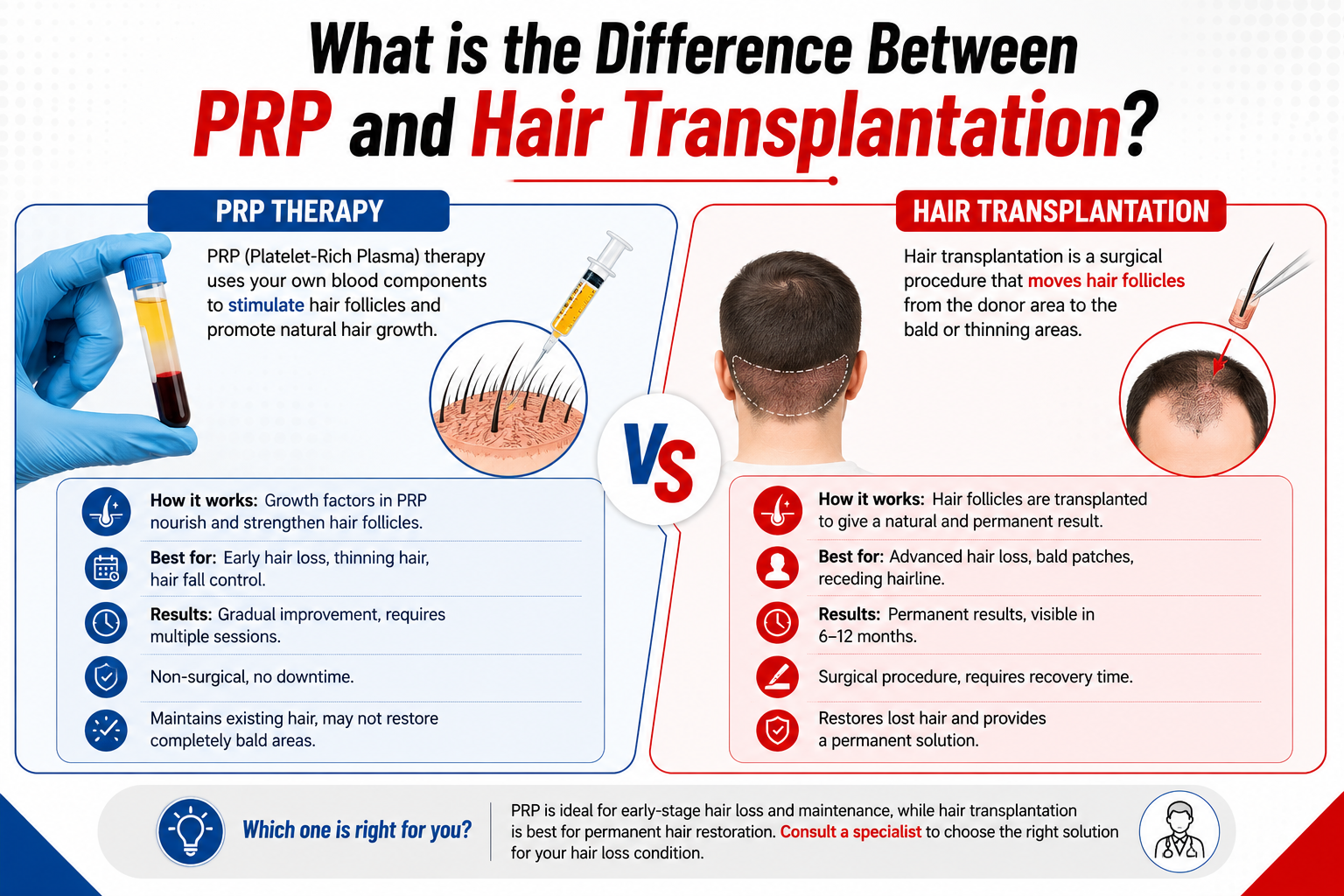
Understanding PRP Treatment for Hair Loss

The PRP procedure is based on the growth factors contained in your blood that are being used to activate already existing hair follicles and enhance the health of your scalp.

What Platelet Rich Plasma Is and How It Is Prepared?

Platelet-rich plasma is made using your blood. The platelets and the other components of blood are separated using a small quantity of blood, which is collected and put through a centrifuge. Platelets contain high levels of growth factors, which aid in the preparation of tissues, the regeneration of cells, and healing.

In PRP therapy for hair loss, this concentrated plasma is administered to stimulate weakened hair follicles and enhance the environment of the scalp. The centrifugation method, platelet concentration, and handling are some of the factors that influence the effectiveness of the end product.

How is PRP delivered to the scalp?

PRP is ready and then injected into specific parts of the scalp using fine needles. Such injections are injected into depths containing hair follicles. The process is rarely invasive, with most cases taking an hour. Other patients have mild discomfort, redness, or swelling, which generally disappear in the span of a day or two.

The proper method is important. When placed incorrectly or having uneven distribution, it becomes ineffective. Clinics that act in an anatomically precise and medically driven manner enhance the chances of PRP landing in areas of active follicles that can react to the treatment.

How Do Hair Follicles Respond to PRP Therapy?

PRP does not affect the formation of new hair follicles. Rather, it acts by activating the already existing follicles, which have become weak or dormant. PRP growth factors may also enhance the supply of blood to follicles, prolong the hair-growing phase, and thicken the hair shaft. Underperforming but alive follicles are those that have the highest chances of responding.

When the follicles are destroyed or substituted by scar tissue, PRP would be unable to repair the damage. This biological constraint explains why different people have significant differences in their results.

Timeline of Expected Changes After Treatment

PRP results are gradual. The decreased level of hair loss can be observed in the first two to three months. The results of hair texture and hair thickness tend to improve after three to six months. Noticeable density changes are not immediately noticed but may be achieved only after numerous sessions. PRP is not a quick cure, and patients who do not see results soon are usually left with discontentment, even when the therapy is fine.

Who Does PRP Treatment Work For?

Some hair loss patterns are more responsive, such as when the follicles are functional and the damage is not progressive.

Early Stage Pattern Hair Loss With Active Follicles

PRP is effective in people who are still in the early phases of pattern hair loss. The follicles are active but are feeble. At this point, follicles may react to stimulate growth factors and restore function. Male and female individuals suffering from early thinning usually experience a reduction in shedding and increased thickness in their hair.

Hair Thinning Linked to Stress, Hormonal, or Nutritional Triggers

Stress, loss of hair, hormonal imbalances, and deficiencies in nutrition are good examples that respond well to PRP when its underlying triggers are taken care of. PRP helps in recovering the follicles through improving the scalp circulation and the repair of cells.

Dr. Paul’s Advanced Hair & Skin Solutions focuses on finding the causative factors, like iron deficiency, thyroid disturbance, or long-term stress, and initiating PRP to enhance the treatment outcome.

Patients Seeking Non-Surgical Hair Restoration

PRP is the right solution for individuals who prefer a non-surgical procedure, and they are not prepared to undergo hair transplant surgery. It is able to delay the hair loss and increase the quality of the hair without cuts or extended recovery time. PRP may be an effective component of a larger hair management approach for patients with realistic expectations.

Who Is PRP Treatment Not Working For?

PRP is associated with definite biological boundaries and cannot have an effect in those instances when the follicles cannot regenerate anymore.

Advanced Hair Loss With Inactive or Scarred Follicles

PRP fails in the cases of hair follicles that are non-viable. In severe baldness, the follicles can either be dormant or replaced by scars. With this, PRP will have nothing to trigger, and treatment will not be completed, no matter the number of sessions.

Genetic Hair Loss Beyond Early Progression

The PRP is not always a good response to genetic hair loss that has a long history of development. Although PRP can be used to enhance the hair of the surrounding areas, severe follicular loss cannot be reversed. These stages typically involve surgical or combined treatment for the patients.

Medical Conditions That Reduce PRP Response

There are some medical disorders that may impair the efficacy of PRP. Follicle responsiveness decreases in cases of autoimmune disorders, uncontrolled diabetes, blood disorders, and chronic inflammatory scalp conditions.

Dr. Paul’s Advanced Hair & Skin Solutions has medical reasons, which could interfere with PRP outcome, so that patients do not receive useless care.

How to Know If PRP Is Worth Paying For?

PRP can only be decided upon when the type of hair loss, the viability of the follicles, and whether other forms of treatment are also more suitable are considered.

Hair Loss Type Identification Before Treatment

The key intervention before investing in PRP is the right diagnosis. The set of hair loss has to be approached differently. Using RP alone in the treatment of scarring alopecia, advanced genetic loss, or untreated medical conditions will cause failure. An elaborate analysis shows whether PRP is suitable or not.

Follicle Viability and Scalp Condition Evaluation

It is important to determine follicle status, i.e., whether they are active. This includes studying scalp health, inflammation, miniaturization patterns, and hair density. The state of a healthy scalp enhances PRP response, whereas chronic inflammation or fibrosis reduces the chances of success. Scalp evaluation clinics are clinics that avoid wasting patients’ money.

Cases Where PRP Alone Is Not the Right Treatment Choice

PRP does not necessarily hold its own. Other patients would need medications, lifestyle changes, or surgery. When PRP is to be used along with other treatments or not, Dr. Paul is very clear and lets the patient make the final financial and medical choices and does not make false promises and premises.

Conclusion

PRP therapy in treating hair loss may work, depending on the patient. Being aware of these differences before paying for treatment will help avoid disappointment and prevent spending extra money. The selection of a clinic with the focus on diagnosis, transparency, and custom planning is a significant factor.

Dr. Paul’s Advanced Hair & Skin Solutions offers PRP therapy provided by medical consideration and gives the patients the chance to make their own informed decision that PRP is really a worthwhile treatment.

GFC Hair Treatment Explained: Is It Better Than PRP for Early Hair Loss?

Early hair loss tends to be mild, with the onset occurring first, and the increased loss may cover up to lower hair density or apparent thinness in the mid-top or frontal scalp. At this stage, hair follicles are still present but weakened; therefore, early intervention is essential. Regenerative treatments have been popular, particularly recently, due to the potential of supporting follicle functionality without surgery.

Growth Factor Concentrate (GFC) therapy has become more sophisticated compared to conventional Platelet-Rich Plasma (PRP). Understanding the nature of GFC, its distinction from PRP, and choosing the most appropriate option between the two can benefit patients.

Dr. Paul’s Advanced Hair & Skin Solutions provides treatment planning of early hair loss based on evidence-based regenerative strategies, which are dependent on the health of the follicles and the hair loss stage.

How Does GFC Hair Treatment Help in Early Hair Loss?

GFC therapy is done on weakened yet active hair follicles that would delay the progression and enhance the quality of hair when the hair is still in the initial stages of loss.

  1. Action of Growth Factors on Weak but Active Hair Follicles

In the early stages of hair loss, the majority of the follicles are not dead but are operating at reduced capacity. GFC is used by applying a concentrated formulation of certain growth factors on the scalp.

These stimulating factors help repair cells, enhance blood circulation in the follicular area, and awaken follicular stem cells. GFC stimulates the production of failing follicles by operating on a biological front instead of trying to establish new ones.

  1. How GFC Improves Hair Density and Thickness in Early Stages

Thickening of hair shafts is observed to be one of the major advantages of GFC therapy when used in early hair loss. Freshly developing hair may show increased strength and density as it is better nourished and stimulated. This increases the total density (although the number of follicles may not be increased) with time. Scalp coverage tends to improve in a patient before drastic improvement begins, and this is a natural and realistic clinical expectation.

  1. Reduction in Hair Fall and Improvement in Hair Quality

Hair loss is a symptom that easily sends patients to the consultation facility. GFC assists in the stabilization of the hair growth cycle through the reduction of premature shedding and assists the follicles to remain longer in the growth cycle. In addition to decreased hair shedding, patients often state that the hair texture, shine, and management increase, meaning more overall healthy follicles.

Why Does GFC Work Best Before Significant Follicle Damage?

Timing is a very important element in the treatment. After a substantial number of follicles are either miniaturized or replaced by scar tissue, it becomes ineffective to use regenerative treatment. The best results of GFC are observed when it is early, when follicles are biologically active.

This is why Dr. Paul’s Advanced Hair & Skin Solutions focuses on early diagnosis and ensuring intervention occurs before the case reaches advanced stages of hair loss.

Differences Between GFC and PRP for Early Hair Loss

Although both are regenerative treatments, GFC and PRP differ significantly in their composition, consistency, and patient experiences.

  1. Difference in Composition and Growth Factor Concentration

Platelets with other blood elements are found in PRP, which may lead to inconsistency in the concentration of growth factors. GFC has, however, been further processed to extract and deliver a greater and more precise amount of particular growth factors. This exquisite composition enables GFC to offer specific stimulation without redundant elements of the cell.

  1. Difference in Inflammatory Response and Comfort Levels

Inflammation may be a part of the mechanical process of PRP and may cause post-treatment pain or swelling in some patients. GFC is designed to be low-inflammatory, making the procedure safer and more tolerable. Patients who receive GFC also complain of less painful injections and faster healing afterwards.

  1. Difference in Consistency and Predictability of Results

Since PRP preparation depends on the platelet count and the method used, it may vary among individuals. GFC provides more predictable results, as there are also standardized ways of preparation. This consistency is of particular importance in the situation of early hair loss when slight improvements really count. Dr. Paul’s Advanced Hair & Skin Solutions offers treatments with more predictable results.

  1. Difference in Number of Sessions and Treatment Protocol

PRP is usually administered on several occasions, which occur over a few months, after which maintenance treatments are administered. GFC may have fewer sessions due to its condensed formulation. Just as patients who want their intervention to be effective and require reduced visits to the clinic, this difference may affect the treatment choices.

  1. Difference in Speed of Visible Results

Reduction in hair fall and hair quality in patients undergoing GFC may be achieved earlier than in PRP. Although the two offer equal patience, the precision with which GFC acts tends to cause earlier hair loss in the case of the treatment, especially when the hair loss is of an early stage.

How to Choose Between GFC and PRP for Early Hair Loss?

Selecting proper treatment varies by diagnosis, condition of follicles, and long-term hair ambitions.

  1. Role of Early and Accurate Hair Loss Diagnosis

Not all baldness is the same. Hair loss due to genetic patterning process, stress-related shedding, and medical causes needs various strategies. Proper diagnosis will mean that regenerative treatment is applied in the right manner. Indeed, initiating GFC or PRP without having established the cause of hair loss may result in undesirable outcomes.

  1. Assessing Follicle Activity and Scalp Health

GFC and PRP are both dependent on the availability of active follicles. Evaluation of follicle density, miniaturization, scalp inflammation, and scalp condition enables the determination of the most likely treatment. Males with early-onset follicular loss are the most responsive to the regenerative therapies.

  1. When GFC Is the Better Choice Than PRP?

GFC is usually more appropriate for those patients who have lost their genetic hair at an early age, have thinning hair, or have not responded positively to PRP previously. It is more advanced, yields better stabilisation, and involves less inflammation. It is the type that all individuals can use when they want a higher level of regenerative therapies.

  1. When PRP Is Sufficient for Early Hair Loss?

PRP can also be used in very mild thinning cases or for maintenance following initial stabilization. PRP may also be used to make changes in the hair in situations where the loss is low and the follicles are robust, along with changing the lifestyle or medical treatment.

  1. Importance of Medical Guidance Before Starting Treatment

Medical supervision ensures that regenerative therapies are combined with appropriate medications, nutritional support, and follow-up care. At Dr. Paul’s Advanced Hair & Skin Solutions, treatment decisions are guided by scalp analysis and long-term planning rather than short-term expectations.

Conclusion

GFC hair treatment presents a sophisticated and custom-made way of dealing with premature loss of hair, particularly when the follicles are active in nature, but rather weak. GFC is more consistent, with less discomfort, and hair fall and thinning are shorter-lived and easier to stabilize than with PRP. By opting to visit a clinic that stresses medical assessment and evidence-based regenerative treatment, the patients will have the ability to make a wise choice regarding their hair restoration process.

Dr. Paul’s Advanced Hair & Skin Solutions brings together advanced treatment methods such as GFC in combination with knowledgeable advice, which would enable patients deal with premature loss of hair responsibly and conveniently.

RF Microneedling: Benefits, Results & What to Expect

What Is RF Microneedling?

RF Microneedling (Radiofrequency Microneedling) is a minimally invasive skin rejuvenation treatment that combines:

  • Microneedling (controlled micro-injuries to stimulate healing)
  • Radiofrequency energy (thermal stimulation in deeper dermal layers)

Together, they trigger powerful collagen and elastin production, leading to firmer, smoother, and more youthful-looking skin.

Unlike traditional Microneedling, RF technology delivers heat energy deeper into the dermis, making it significantly more effective for tightening and scar remodeling.

How Does RF Microneedling Work?

The procedure works in three biological stages:

1️. Controlled Micro-Injury

Fine insulated needles create tiny channels in the skin, activating the natural wound-healing process.

2️. Targeted RF Energy Delivery

Radiofrequency energy penetrates deeper layers, causing controlled thermal stimulation.

3️. Collagen Remodeling Phase

Over the next 6–12 weeks, the skin produces new collagen and elastin, improving:

  • Skin firmness
  • Texture
  • Acne scars
  • Pore size
  • Fine lines

This is why results appear gradual and natural.

What Skin Concerns Can RF Microneedling Treat?

RF Microneedling is highly versatile and effective for:

✔ Acne scars
✔ Enlarged pores
✔ Fine lines and wrinkles
✔ Mild to moderate skin laxity
✔ Uneven skin texture
✔ Stretch marks (in selected cases)
✔ Neck and jawline tightening

It is especially beneficial for Indian skin types where certain laser treatments may carry pigmentation risks.

RF Microneedling vs Traditional Microneedling

Feature Traditional Microneedling RF Microneedling
Depth of stimulation Superficial dermis Deeper dermis
Collagen induction Moderate High
Skin tightening Minimal Significant
Acne scar correction Good Superior
Downtime 2–3 days 2–4 days

RF technology enhances collagen stimulation for stronger lifting and remodelling effects.

What to Expect During the Procedure?

At Dr Paul’s Advanced Hair & Skin Solutions, we follow a structured protocol:

  1. Skin assessment and diagnosis
  2. Topical anesthetic application
  3. Depth-customized RF microneedling session
  4. Post-treatment calming and protection

The procedure typically takes 45–60 minutes.

Most patients experience mild redness and swelling for 24–72 hours.

How Many Sessions Are Required?

For optimal results:

  • Acne scars: 3–4 sessions
  • Skin tightening: 3 sessions
  • Maintenance: Once every 6–12 months

Sessions are usually spaced 4–6 weeks apart.

Collagen remodelling continues for up to 3 months after each session.

Is RF Microneedling Safe?

When performed by trained medical professionals using approved devices, RF microneedling has a strong safety profile.

Possible temporary effects include:

  • Redness
  • Mild swelling
  • Slight tenderness

Proper parameter customization reduces risk of complications.

At Dr Paul’s, every treatment is:

✔ Skin-type calibrated
✔ Depth-adjusted
✔ Medically supervised
✔ Protocol-driven

Frequently Asked Questions 

Is RF microneedling painful?

A topical anesthetic is applied before the procedure, making it tolerable for most patients.

How soon will I see results?

Initial glow appears within a week. Tightening and scar improvement develop gradually over 4–12 weeks.

Is RF microneedling better than laser?

It depends on the concern. RF microneedling is safer for darker skin types and excellent for texture and tightening.

Can RF microneedling remove acne scars permanently?

It significantly improves acne scars by stimulating collagen. Severe scars may require combination therapies.

Who Is an Ideal Candidate?

You may benefit if you:

  • Have acne scars
  • Notice early sagging
  • Want tighter skin without surgery
  • Prefer minimal downtime
  • Seek natural-looking rejuvenation

A proper consultation determines candidacy.

The Dr Paul’s Regenerative Approach

At Dr Paul’s Advanced Hair & Skin Solutions, RF microneedling is often combined with:

✔ PRP (Platelet Rich Plasma)
✔ Exosome therapy
✔ Medical-grade cosmeceuticals
✔ Skin longevity protocols

Because collagen stimulation works best when supported biologically.

We don’t treat symptoms.

We remodel structure.

Why Choose Dr Paul’s for RF Microneedling in Kolkata & Assam?

  • Advanced medical-grade RF technology
    • Personalized depth calibration
    • Experienced aesthetic physicians
    • Safety-first protocols
    • Long-term collagen planning

Available at:

  • Salt Lake, Kolkata
  • Rash Behari, Kolkata
  • Guwahati
  • Jorhat

Book Your RF Microneedling Consultation

If you’re considering skin tightening or acne scar correction, a structured evaluation is the first step.

📍 Visit Dr Paul’s Advanced Hair & Skin Solutions
📞 Schedule your consultation today

Dr Paul’s Advanced Hair & Skin Solutions
Your Confidence Partner.


Nanoplastia Hair Treatment: Check Price, Benefits, and Side Effects

Frizz, dryness, breakage, unmanageable curls, or lifeless locks that refuse to shine. Millions of people across the world struggle with one or more of these hair concerns every day. The general quest for smoother, healthier, and more manageable hair has led to the emergence of several advanced hair treatments.

One such treatment stealing the limelight these days is nanoplastia. As a gentler and more advanced alternative to traditional keratin smoothing, nanoplastia is becoming increasingly popular among hair enthusiasts.

Are you considering nanoplastia but are unsure of its safety, benefits, cost, and side effects? Dr Paul’s detailed guide will help you have a deeper understanding of the procedure.

What is Nanoplastia Hair Treatment?

Nanoplastia focuses on deep hair reconstruction and smoothing. It uses nano-sized molecules that penetrate your hair shaft and restore the damaged fibers.

The term “nano” refers to the extremely small particle size of the active ingredients used in the treatment. Due to their size, these particles can enter the inner layers of your hair to restore strength and elasticity.

Unlike traditional straightening or smoothing treatments, nanoplastia does not use heavy chemicals like formaldehyde or formaldehyde releasers. Instead, it focuses on repairing your hair from within. This makes it stronger, smoother, and more manageable.

In simple terms, nanoplastia aims to improve your hair quality. The smoothness follows naturally.

How Does Nanoplastia Treatment Work?

To understand nanoplastia, you need to understand the basic structure of your hair. Each hair strand is made up of an outer layer called the cuticle and an inner core called the cortex. While the cuticle acts as a protective layer, the cortex is responsible for the strength and elasticity of the strand.

Most hair treatments focus on the cuticle. Nanoplastia, however, works deeper, as explained in the following sections.

Step 1: Penetration

The initial stage of the treatment is focused on delivering nano-sized amino acids, proteins, and conditioning agents to your hair strands. These active particles penetrate the cortex of each hair strand to work on its strength and elasticity.

Step 2: Fiber Reconstruction

The active ingredients help rebuild broken protein bonds, replenish moisture, and improve elasticity in the strands. This stage involves an attempt at managing and reversing the hair damage caused by pollution, heat styling, coloring, and chemical processes.

Stage 3: Cuticle Alignment

This step uses heat to smoothly seal the cuticle over the repaired cortex. It helps reduce frizz and imparts a shine to your hair.

Nanoplastia treatment takes a few hours, but it focuses on the deep reconstruction of your hair. Due to this, it often delivers lasting results. Depending on the hair type and maintenance, the results could last for up to 3 to 6 months.

Benefits of Nanoplastia Hair Treatment

Nanoplastia might be the hype these days, but it is for a reason. The treatment offers a range of benefits, from aesthetic value to long-term hair health. The following sections discuss some of the most remarkable benefits of nanoplastia hair treatment.

1. Visible Improvement in Hair Texture

After the treatment, your hair becomes smoother, softer, and more manageable while also appearing natural.

2. Long-Term Hair Repair

Unlike cosmetic treatments, nanoplastia strengthens your hair strands internally. This improves their resilience and elasticity, which lasts for a long time.

3. Reduced Frizz

The final step of nanoplastia focuses on aligning the cuticle over the treated cortex layer. This allows your hair to stay smooth and controlled even in humid weather.

4. Enhanced Shine and Smoothness

With a smooth and nourished cuticle, the light reflects better. This gives your hair a naturally healthier appearance.

5. Less Damage from Daily Styling

With your hair being smoother and more manageable, you do not have to rely on heat styling tools to make your hair look presentable. This allows the hair strands some downtime to heal.

6. Color-Safe Formulation

Nanoplastia does not strip hair color and may even help preserve it.

Potential Side Effects of Nanoplastia

Nanoplastia is generally considered a safe and mild procedure. However, as with any treatment, it carries the risk of some potential side effects.

Mild/Temporary Side Effects

  • Mild scalp sensitivity
  • Slight dryness if hair was already damaged
  • Temporary irritation from heat styling

Rare Side Effects

  • Allergic reaction to product ingredients
  • Scalp redness or itching

Make sure you do a patch test before the treatment, especially if you have a sensitive scalp.

Nanoplastia Hair Treatment Price in India

The cost for nanoplastia hair treatment in India varies based on several factors. Some of them include:

  • The length and thickness of your hair
  • Product brand used
  • The expertise of the clinic
  • City and location

The average price range is as follows:

  • Estimated cost for short hair: 3,000 INR to 5,000 INR
  • Estimated cost for medium-length hair: 5,000 INR to 8,000 INR
  • Estimated cost for long hair: 8,000 INR to 12,000 INR or more

Kindly note that this is simply an estimated average value. The overall cost of the treatment may vary between different clinics and locations.

Who is an Ideal Candidate for Nanoplastia?

Nanoplastia might be the best solution if you are dealing with:

  • Frizzy or unmanageable hair
  • Dry, rough texture
  • Heat or color damage
  • Mild to moderate curl loosening needs
  • Hair that lacks shine and softness

This treatment is the most suitable for:

  • Straight, wavy, and mildly curly hair
  • Color-treated hair
  • Chemically untreated
  • Previously treated hair after assessment

Nanoplastia treatment might not be ideal for you in the following cases:

  • Severely damaged or broken hair
  • Active scalp infections or wounds
  • Recently bleached or chemically relaxed hair
  • Pregnant or breastfeeding women must consult with a specialist first

Get Both Aesthetics and Healing with Nanoplastia

Nanoplastia hair treatment is a repair-focused hair care rather than aggressive cosmetic smoothing. It offers a modern solution if you are looking to restore your hair health while also achieving smoother, shinier, more manageable hair.

As with any professional treatment, the success of this procedure depends on the correct diagnosis, the use of quality products, and expert application. It is best to consult with a qualified and experienced specialist to ensure the treatment is tailored to the specific needs of your hair.

Consult with our experts at Dr. Paul’s Advanced Hair and Skin Solutions Clinic to get the best professional care for a nanoplasty treatment.

FAQs

  1. How long does nanoplasty hair last?

The effects of nanoplasty typically last between 4 to 6 months. It depends greatly on your hair type, the quality of the products used, and your post-treatment hair care routine. In some cases, this treatment may last for up to 8 months.

  1. Which is better, Nanoplastia or keratin?

Nanoplastia is generally considered a better alternative than keratin hair treatment. While keratin is classic and highly effective in straightening thick hair, it is heavily chemical-based. Nanoplastia, on the other hand, is formaldehyde-free, deeply nourishing, versatile, and longer lasting.

  1. What to avoid after nanoplastia?

After nanoplastia treatment, it is recommended to avoid heat styling. Use mild shampoo instead of the heavily chemical-based ones. It is best to refrain from very tight hairstyles to prevent putting any strain on your hair.

Hair Fall Treatment: Understanding Hair Loss, Progression, and Realistic Results

Hair fall is not a single problem. Treating it like one is why most treatments fail. Hair fall is often discussed casually: oil more, stress less, take supplements, and wait six months. But people who sit in front of a mirror every morning and see more scalp than yesterday know this is not casual. Hair fall is controlled by biology, timing, and decisions taken early or delayed too long.

At Dr. Paul’s Advanced Hair & Skin Solutions, hair fall treatment is approached with one basic understanding: that is, hair does not fall randomly, and it does not recover randomly either.

This blog is not about quick fixes. It explains how hair loss actually progresses, why many treatments do not work, and how medical hair care should be planned.

Hair Fall Is a Process, Not an Event

Most patients come saying, “My hair is suddenly falling.” But, in reality, hair fall starts months before it becomes visible. The hair cycle works in phases:

  • Growth phase
  • Resting phase
  • Shedding phase

When something disturbs this cycle, such as hormonal change, nutritional gap, inflammation, or genetic sensitivity, the hair enters shedding mode earlier than it should. What you see today actually started weeks or months back. This is why waiting and watching rarely helps.

Why Hair Oils, Shampoos, and Serums Have Limits

External products can improve scalp comfort, hair texture, and breakage control. But they cannot correct internal triggers like:

  • Hormonal sensitivity
  • Follicle miniaturisation
  • Chronic inflammation
  • Nutrient absorption issues

This is not a criticism of products. It is a reality of hair biology. Hair loss treatment must address what is happening below the skin, not only on it.

Hair Fall Is Not the Same for Everyone

Treating all hair fall with the same protocol is a mistake. At Dr. Paul’s Advanced Hair & Skin Solutions, hair loss is broadly evaluated into patterns such as:

  • Pattern thinning (front, crown, part widening)
  • Diffuse shedding across the scalp
  • Patchy or sudden loss
  • Hair fall after illness, stress, or weight change
  • Hair thinning despite “normal” blood tests

Each pattern behaves differently; some are reversible, some are controllable, and some are progressive by nature. Using the same protocol for all of them creates false hope and wasted time.

Correct identification of the pattern decides whether the goal is recovery, preservation, or long-term control.

Why Do Many Hair Loss Treatments Stop Working After Some Time

This is a common frustration. Patients say:

  • “Initially, it helped; then hair fall started again.”
  • “It reduced for a few months and is now back to the same.”

This happens when:

  • Treatment is started too late
  • Follicles are already weakened beyond recovery
  • Only shedding is controlled, not the root cause
  • Follow-up adjustments are not done

Hair follicles are living structures. They respond, adapt, weaken, or recover depending on conditions. Treatment cannot remain static while biology keeps changing. Hair fall management requires review, modification, and timing, not blind continuation.

How Hair Fall Is Evaluated at Dr. Paul’s Advanced Hair & Skin Solutions

Before starting any treatment, clarity is established. Evaluation includes:

  • Pattern and duration of hair loss
  • Family history and progression speed
  • Scalp condition and sensitivity
  • Hair shaft thickness and density
  • Past treatments and responses
  • Lifestyle factors affecting recovery

This assessment answers an important question: Is the hair likely to recover, stabilise, or only slow down further loss? Not every patient needs aggressive treatment. Not every patient can afford to wait either.

Treatment Options Used, Based on Need, Not Trend

  1. Medical Management (Foundation Step)

For many patients, hair fall can be stabilised with:

  • Prescription-based topical solutions
  • Oral support when required
  • Scalp-calming treatments

These are not cosmetic recommendations. They are medical decisions, reviewed and adjusted based on response. The aim at this stage is control, not dramatic regrowth.

  1. PRP Therapy (When Follicles Are Weak, Not Dead)

PRP works best when:

  • Hair thinning is early to moderate
  • Follicles are present but sluggish
  • Shedding is persistent despite medication

PRP does not create new follicles. It helps existing ones function better. Over-promising results here leads to disappointment. At Dr. Paul’s Advanced Hair & Skin Solutions, PRP is advised selectively, not routinely.

  1. Mesotherapy (Targeted Scalp Nutrition)

Mesotherapy delivers nutrients directly to the scalp, where absorption is otherwise poor. It is useful when:

  • Hair fall is diffuse
  • Oral supplements are not tolerated
  • Scalp health is compromised

It supports the scalp environment. It does not replace medical treatment. Used correctly, it complements the plan rather than becoming the plan.

  1. Advanced Planning for Progressive Hair Loss

Some hair loss patterns are progressive by nature. In such cases, treatment focuses on:

  • Slowing loss
  • Preserving density
  • Planning long-term strategy

Honest guidance is given early so expectations remain realistic.

What Hair Fall Treatment Cannot Do

This is rarely discussed openly. Hair fall treatment cannot:

  • Restore hair in completely bald areas
  • Reverse years of untreated genetic loss
  • Work without consistency and follow-up
  • Replace follicles that no longer exist

Clear boundaries protect patients from false hope and unnecessary expense.

Hair Fall and Mental Stress: A Two-Way Link

Hair fall increases stress. Stress worsens hair fall. But treating stress alone does not reverse hair loss. Medical intervention breaks this cycle by stabilising shedding first. Once hair fall reduces, mental stress naturally improves. Ignoring hair fall and focusing only on “stress management” delays recovery.

Recovery Timeline: What Is Reasonable?

Hair responds slowly. This is biological, not optional. General expectations:

  • 4–6 weeks: reduction in excessive shedding
  • 3–4 months: visible improvement in thickness or density
  • 6 months and beyond: stabilisation and maintenance

Anyone promising visible regrowth in 30 days is not being honest.

Why Hair Fall in Women is Often Missed

Women often have:

  • Diffuse thinning instead of bald patches
  • Normal-looking scalp initially
  • Hair fall mistaken for seasonal or temporary

Because shedding may not look dramatic, hair fall is often dismissed as temporary. By the time thinning becomes obvious, density is already compromised. Early evaluation matters more than aggressive treatment later.

Why Patients Choose Dr. Paul’s Advanced Hair & Skin Solutions for Hair Fall Treatment

Patients choose Dr. Paul’s Advanced Hair & Skin Solutions because:

  • Hair loss is assessed, not assumed
  • Treatment plans are customised
  • Unrealistic promises are avoided
  • Follow-ups are adjusted logically
  • Focus is on preservation, not panic

Hair is treated as a long-term health concern, not a cosmetic emergency.

Conclusion

Hair fall is not solved by hope, oils, or shortcuts. It is managed by understanding timing, biology, and limits.

If you are considering hair fall treatment, the most important step is not speed but clarity. Knowing why your hair is falling, what stage it is in, and what can realistically be controlled makes all the difference. Hair that is assessed early can often be stabilised and preserved for years. Hair that is ignored, delayed, or treated casually usually reaches a point where options become limited.

Hair fall management is not about chasing quick results. It is about making the right decisions before the damage becomes permanent.

About Us

DR PAULS MULTISPECIALITY CLINIC PRIVATE LIMITED provides a unique and different approach.

Get In Touch

    consent I accept all the terms and conditions outlined in the website's Terms and Conditions and Privacy Policy.

    Copyright © 2025. All Rights Reserved.