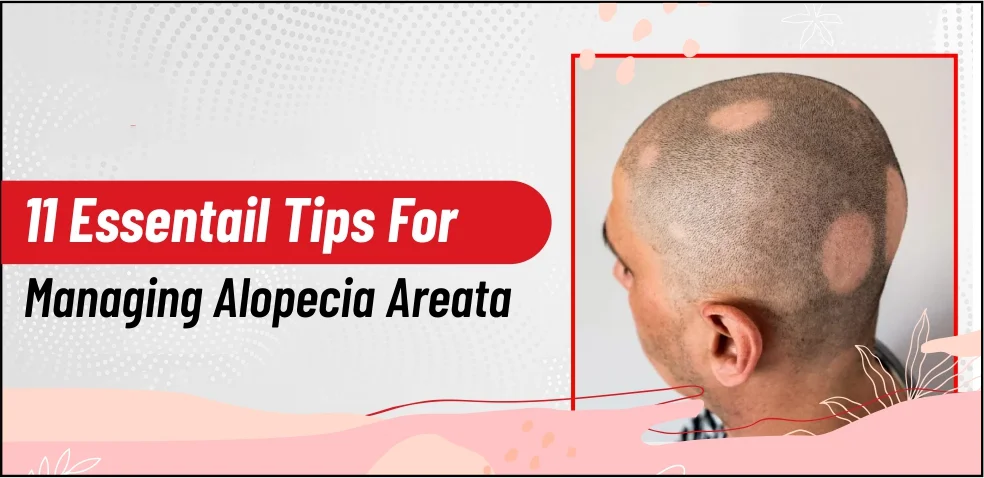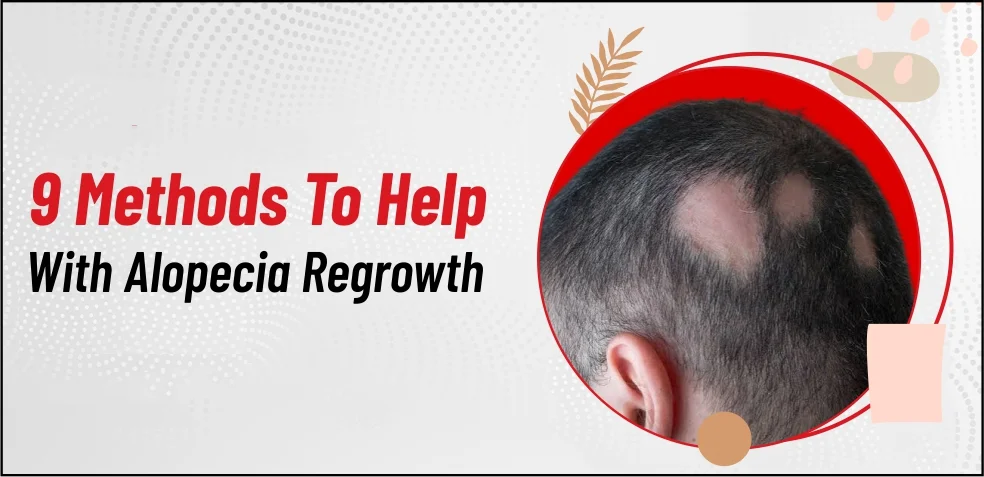
Alopecia areata can cause rapid, sporadic hair loss when the immune system mistakenly targets hair follicles. The condition may affect the beard, scalp, eyebrows, eyelashes, or other parts of the body, and it can differ from one individual to the next. Therefore, the best way to manage alopecia is to determine the severity and extent of the condition, rather than relying on a single treatment for hair growth.
If you’re considering alopecia areata treatment in Kolkata, a dermatologist will assess your hair-loss pattern and suggest a suitable treatment strategy. Some people experience spontaneous regrowth, but others need medical intervention to stimulate hair growth and prevent ongoing loss.
What Is Alopecia Areata?
Alopecia areata (also known as baldness) is an autoimmune type that causes hair loss. It typically appears as smooth, well-marked patches of hair loss, but more severe forms can cause significant hair loss on the body or scalp. Symptoms can be unpredictable: some individuals regrow their hair without treatment, while others experience recurring or progressive hair loss.
The best method depends on factors like the extent and duration of hair loss, affected areas, health history, age, and whether the condition is active. The goal should be to work with a medical professional for growth rather than test various hair growth products.
1. Get an Accurate Diagnosis
The first step to growth is confirming that the hair loss is caused by alopecia areata.
Other issues, such as pattern hair loss, scalp infections, thyroid disorders, nutritional deficiencies, and certain conditions that cause scalp inflammation, can also cause hair loss.
A dermatologist will examine the scalp and nails using dermoscopy or a clinical examination. In some cases, a dermatologist may recommend blood tests or a scalp biopsy to identify possible causes.
A precise diagnosis ensures treatment targets the root issue rather than just the visible bald patches.
2. Consider Corticosteroid Treatment
Corticosteroids are among the most well-established medical treatments for localized alopecia areata.
If you are an adult with small, not-too-severe patches, dermatologists can prescribe corticosteroid injections directly to the affected areas. Treatments are usually repeated regularly, as directed by the treating doctor. According to the American Academy of Dermatology, those who respond may start seeing hair growth within a couple of months.
Doctors may prescribe corticosteroids in certain cases.
Since corticosteroids can trigger side reactions when they are used improperly or for extended periods of time, they should only be administered under the supervision of a physician.
3. Use Minoxidil When Medically Appropriate
Minoxidil can be included in the treatment plan for alopecia areata, particularly to support or maintain growth.
It doesn’t address the autoimmune process on its own. It is more likely to support the growth cycle of follicles that are already in place.
A dermatologist might suggest topical minoxidil to treat beard, scalp, or eyebrow ailments, based on the individual’s health. The exact formula and application time should be determined by medical advice.
Minoxidil should therefore be considered part of an individual treatment plan rather than an all-encompassing cure for alopecia areata.
4. Explore JAK Inhibitors for Extensive Disease
For severe or long-standing alopecia areata, Janus kinase (JAK) inhibitors have dramatically changed the treatment approach.
They work by altering immune signalling involved in the aging process. Current expert recommendations recommend oral JAK inhibitors as essential long-term treatment options for patients suffering from severe alopecia areata—the best option depends on age, comorbidities, safety considerations, and monitoring needs.
These medicines are not appropriate for everyone. Doctors may require medical examinations and lab monitoring before and during treatment.
Patients suffering from severe hair loss should discuss their alternatives with a dermatologist who is certified instead of attempting self-treatment.
5. Give the Hair and Scalp Time to Recover
Sometimes alopecia areata needs immediate treatment.
People with a limited illness, with a few areas present for less than a year, may occasionally experience sudden hair growth. Dermatologists may recommend monitoring in certain cases, depending on the situation.
That doesn’t mean you should overlook hair loss. Regular monitoring is vital because alopecia can change over time.
Photographing the affected area in similar lighting conditions can help you and your dermatologist determine whether patches are shrinking, stable, or expanding.
6. Correct Nutritional Deficiencies
Nutrition isn’t a direct cure for the autoimmune condition that causes alopecia areata; however, correcting real nutritional deficiencies is crucial for your hair’s overall health.
When your history of medical conditions or physical examination indicates a deficiency, your doctor might prescribe blood tests to check iron and vitamin levels.
Don’t take multiple high-dose supplements just because they’re advertised as hair-growth products. The best supplements should address a specific deficiency or come from a health professional.
A healthy diet with adequate protein, fruits, vegetables, whole grains, and other nutrient-rich foods provides an ideal base for healthy hair growth.
7. Protect Your Scalp and Existing Hair
A gentle hair care routine can help to prevent further mechanical damage when you’re dealing with alopecia.
Consider:
- Avoid hairstyles that are too tight.
- Limit excessive heat styling.
- Avoiding vigorous brushing
- Apply a gentle cleanser
- Limit the use of harsh chemicals
- Protect exposed areas with baldness from sunburn
These methods don’t address the cause of the condition, but they help protect the scalp and other hair while medical treatments address the root cause.
If your eyebrows or eyelashes are affected, speak to your dermatologist, as these areas might require special treatments and protection.
8. Consider Supportive Treatments Carefully
Some clinics provide procedures like PRP, laser/light treatments, or microneedling to treat hair loss. But evidence and guidelines vary by the degree and type of alopecia areata.
A 2026 expert consensus on severe adult alopecia was not achieved enough consensus to include injections of PRP and low-level laser therapy as suggested treatments for the severe form of the disease.
This is a crucial difference: a treatment advertised for general hair loss should not be assumed to be effective for active alopecia areata.
Discuss supportive procedures with a dermatologist before adding them to your treatment regimen.
9. Manage Recurrence and Follow-Up
Alopecia areata can improve and then return. Even after successful regrowth, regular check-ups can be beneficial, especially if you’ve had severe or frequent hair loss.
Your doctor can monitor:
- New patches of baldness
- Hair regrowth
- Eyebrows or eyelash involvement
- Nail changes
- Response to treatment
- Medication side effects
Treating alopecia isn’t only about stimulating hair growth. It also involves managing disease activity and identifying recurrence early.
Can a Hair Transplant Treat Alopecia Areata?
Hair transplants should not always be viewed as the sole solution for alopecia areata. The procedure is used primarily for specific types of permanent hair loss, including pattern hair loss. The immune activity associated with alopecia can also affect the transplanted hair follicles.
Thus, anyone seeking hair transplants in Kolkata for abrupt hair patch loss should first get a proper diagnosis from a dermatologist.
If androgenetic alopecia, rather than active alopecia areata, is causing the hair loss, transplantation may be considered based on donor density, hair-loss pattern, age, and long-term stability.
If a transplant is ultimately deemed appropriate, factors such as graft requirements, technique, clinic expertise, and treatment complexity will determine hair transplant costs in Kolkata.
When Should You Seek Professional Help?
You should think about the possibility of a dermatological examination if you observe:
- A sudden round patch of baldness
- Multiple hair loss areas
- The bald patches are rapidly expanding
- Eyebrows and loss of eyelashes
- Beard hair loss
- Nail changes alongside hair loss
- Unusual and repeated episodes of hair loss
An early diagnosis can help distinguish alopecia areata from other conditions and determine whether to observe, use topical treatments, injections, systemic medications, or a different approach.
Conclusion
Alopecia areata regrowth is a distinct process compared with normal hair loss. Key approaches include obtaining an accurate diagnosis, using dermatologist-prescribed corticosteroids when appropriate, considering minoxidil as an adjunct, evaluating JAK inhibitors for severe disease, correcting nutritional deficiencies, protecting existing hair, monitoring changes, and maintaining regular follow-up.
No single solution suits everyone. A few patients may see natural regrowth.
If you’re looking for alopecia areata treatment in Kolkata, focus on diagnosis and long-term management rather than choosing a treatment based on whether it’s advertised as a hair-growth solution. If you’re considering hair transplants in Kolkata, first determine the root cause of the hair loss. A medically guided approach lets you choose the best treatment for your specific type and severity of hair loss.