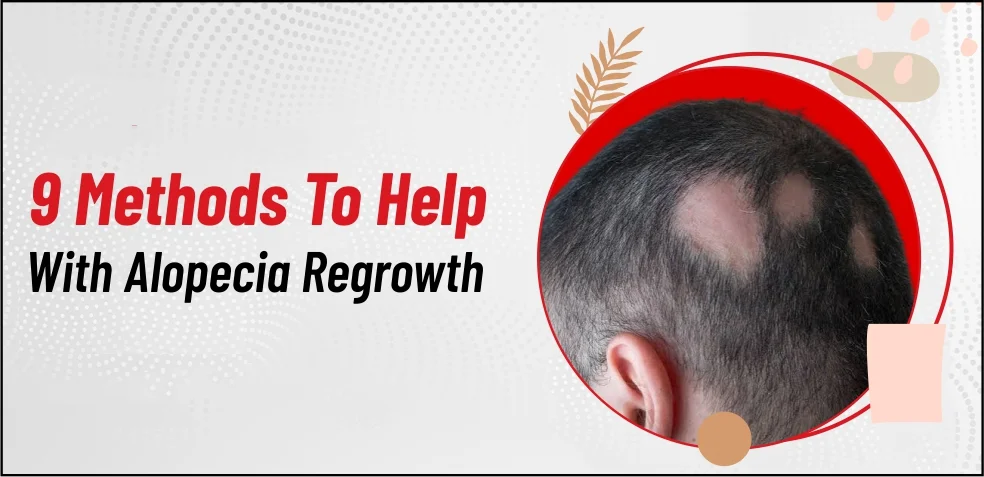
Alopecia areata is an autoimmune condition that can cause abrupt, sporadic hair loss on the eyebrows, beard, scalp, eyelashes, and other body parts. Unlike common genetic hair loss, alopecia areata happens when the immune system mistakenly targets hair follicles.
If you’re experiencing unprovoked patches of hair loss, consult a dermatologist before starting any treatment. If you’re seeking Alopecia Areata treatment in Kolkata, a precise diagnosis will help you determine whether medication, observation, injections, or other treatments are best. At Dr. Paul’s Advanced Hair & Skin Solutions, we evaluate hair and scalp problems to develop an individual treatment plan.
Alopecia areata typically appears as a series of oval, smooth, or round areas of hair loss. Hair loss can extend beyond a few patches and affect larger parts of the scalp or the entire body. The condition can develop at any time, and its course can be unpredictable. Hair loss can worsen spontaneously, remain steady, or fall out and then reappear later.
Because different types of hair loss can look similar, avoid self-diagnosis. A dermatologist can look at the nails and scalp or use dermoscopy. They may occasionally suggest blood tests or a biopsy to rule out another condition.
The first step is to confirm that Alopecia areata is causing the hair loss. Causes include fungal diseases, tension alopecia, thyroid-related hair loss, and nutritional deficiencies, and different forms of alopecia can cause different types of hair loss.
A dermatologist typically evaluates the appearance and size of the hair-loss areas, nails, scalp, and medical history. Based on the signs, a dermatologist may suggest additional tests.
Do not begin prescription medications or treatments for hair loss just because you have noticed an area of hair loss. An accurate diagnosis ensures treatment targets the real cause.
There isn’t a single solution that will work for everyone suffering from Alopecia areata. Treatment choices depend on factors like the amount of hair lost, how long the condition has lasted, where the hair loss is, your age, and how you responded to previous treatments.
For small patches that appear briefly, the dermatologist may recommend observation, as spontaneous regrowth may occur.
If you have a persistent or extensive illness, we can consider prescription medications. This could include corticosteroids, topical medications such as contact immunotherapy, or systemic treatments like JAK inhibitors in certain patients.
A common mistake is trying several treatments at once without a professional’s guidance. Alopecia areata (or thinning hair) is an immune-mediated disorder; therefore, simply using more serums, oils, supplements, or other hair growth products will not always address the root cause.
Your dermatologist may suggest a specific treatment and track how your hair responds before changing the plan.
This is especially important for prescription medications because some treatments can cause serious side effects or require medical supervision.
Handle hair affected by alopecia areata with care. Avoid excessive pulling, extreme temperatures, harsh chemicals, and tight hairstyles.
The most beneficial habits are:
The American Academy of Dermatology recommends gentle hair and scalp care for people with alopecia areata, since fragile hair may be more vulnerable to damage.
These patches can expose protected skin to UV radiation. If you have visible hair loss on your scalp, beard area, or other exposed areas, shield them from excessive sunlight.
A broad-spectrum sunblock can help protect exposed skin, and hats and other physical protection can offer additional defense.
This is especially important when you spend a lot of time outside. Hair loss does not protect your skin from sunburn.
A balanced and healthy diet is essential for healthy skin and hair function. However, taking high-dose supplements without proof of a deficit is not always beneficial.
Certain nutritional deficiencies may contribute to hair loss. Dermatologists may suggest blood tests when your medical history or exam indicates a potential deficiency.
Eat a balanced diet rich in protein, fruits, vegetables, whole grains, and other nutrient-dense foods.
Do not take multiple “hair development” supplements merely because they’re advertised for Alopecia. Excessive intake of certain nutrients can cause hair loss.
Alopecia areata may change over time. Instead of relying on memory, capture photos of the affected areas regularly in identical lighting conditions.
Track:
Regularly monitored visits will allow your dermatologist to determine whether your condition remains stable, improves, or advances.
Alopecia areata isn’t limited to hair on the scalp. It can also affect eyebrows, eyelashes, beard hair, and even other body hair.
Lost eyelashes require special attention because they shield the eyes from particles and dust. If you lose eyelashes or eyebrows, consult a dermatologist instead of treating the area yourself.
Depending on the severity of the condition, a doctor may evaluate medical or cosmetic options.
Hair loss can negatively impact confidence in social interactions, working, and mental well-being. Alopecia areata can be especially challenging because its beginning and progression can be unpredictable.
If hair loss is affecting your confidence or is causing constant anxiety, talk to your physician and think about seeking professional help with your psychological issues if required.
Hairpieces, wigs, scalp prostheses, camouflage cosmetic items, and other hairstyle options can help patients feel more comfortable while waiting for regrowth or a treatment response.
Hair transplants are usually used to treat permanent hair loss, such as certain types of androgenetic hair loss. The procedure is not typically advised for patients with active alopecia areata because the condition causes an immune response that attacks hair follicles, and transplanted follicles could be affected too.
Thus, anyone looking for hair transplants in Kolkata after developing sudden bald patches needs a dermatologist’s diagnosis.
Once the root cause is identified and treated, a doctor can determine whether restorative treatment is needed. Don’t base the decision solely on the appearance of a bald patch.
Alopecia areata can be unpredictable. If your hair starts returning, follow-up may be necessary because recurrences are possible.
During follow-up, your dermatologist can assess:
If you are looking for treatment for alopecia areata in Kolkata, choosing an institution focused on diagnosis, a treatment plan, and follow-up is more beneficial than choosing treatment based on ads.
Yes. Hair can grow back quickly in some individuals, especially with only two patches. However, regrowth can be unpredictable, and some people are prone to recurring or permanent hair loss.
Treatment usually aims to promote regrowth and limit disease activity when appropriate. There is no cure that can guarantee permanent prevention of recurrence.
This is a significant difference. Hair transplants are generally intended for permanent follicular loss caused by conditions like pattern hair loss. They are not typically the first option for alopecia areata.
So, patients shouldn’t opt for a transplant just because they notice an area of hair loss. A dermatologist must first determine the root cause and whether the condition is present.
If you’re considering a hair transplant for a different, permanent type of hair loss, factors like donor availability and graft requirements, the technique, and the complexity of the procedure can affect the cost of a hair transplant in Kolkata.
Seek professional evaluation if you notice:
A quick evaluation can help distinguish Alopecia areata from the other causes of hair loss and help identify the most appropriate treatments.
Alopecia areata treatment requires patience, accurate diagnosis, and personalized care. The most important step is confirming the diagnosis and following a dermatologist-directed treatment plan, including gentle scalp care, promoting overall health, monitoring changes, and addressing the psychological impact of hair loss.
If you’re considering alopecia areata treatment in Kolkata, start with a medical evaluation before deciding on a cosmetic procedure. If you’re researching hair transplants in Kolkata, know that any sudden hair loss must be evaluated first to determine whether it is due to alopecia or a medical condition. With proper evaluation and ongoing treatment, many patients see significant hair growth, but the path to regrowth varies from person to person.
DR PAULS MULTISPECIALITY CLINIC PRIVATE LIMITED provides a unique and different approach.
Copyright © 2026. All Rights Reserved.