Hair loss affects millions of people; however, picking the right treatment could be complicated. Many patients evaluate PRP and the hair transplant alternatives in India without understanding that both treatments have different goals. While PRP is focused on enhancing existing hair follicles, a transplant is a way to restore hair growth in areas where there are follicles that have already disappeared.
If you’re considering a hair transplant in Kolkata using PRP treatment in Kolkata or searching for a reliable non-surgical treatment for loss of hair, understanding the distinctions is crucial before you make the choice.
At Dr. Paul’s Advanced Hair & Skin Solutions, each treatment program begins with a thorough scalp analysis as well as a medical examination, followed by a personal consultation with the doctor to suggest the most appropriate treatment depending on the stage of loss and your long-term goals.
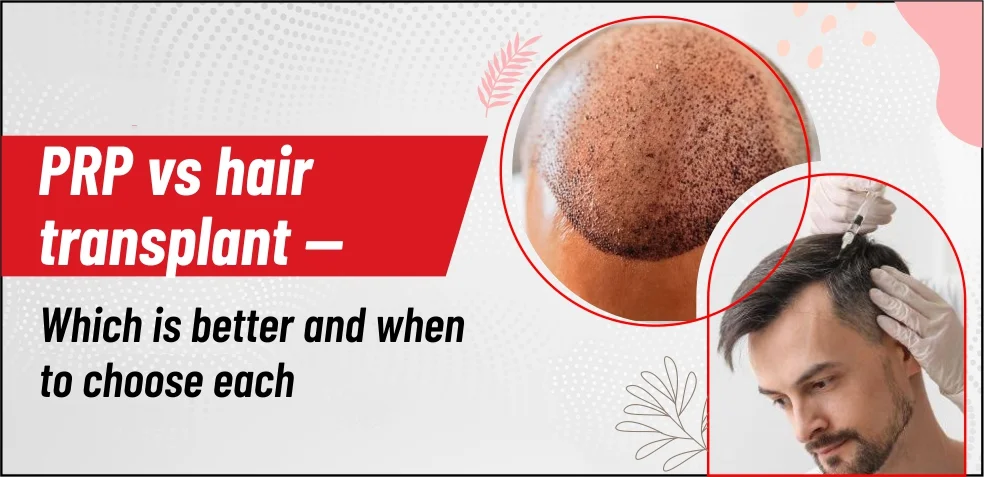
PRP vs Hair Transplant:
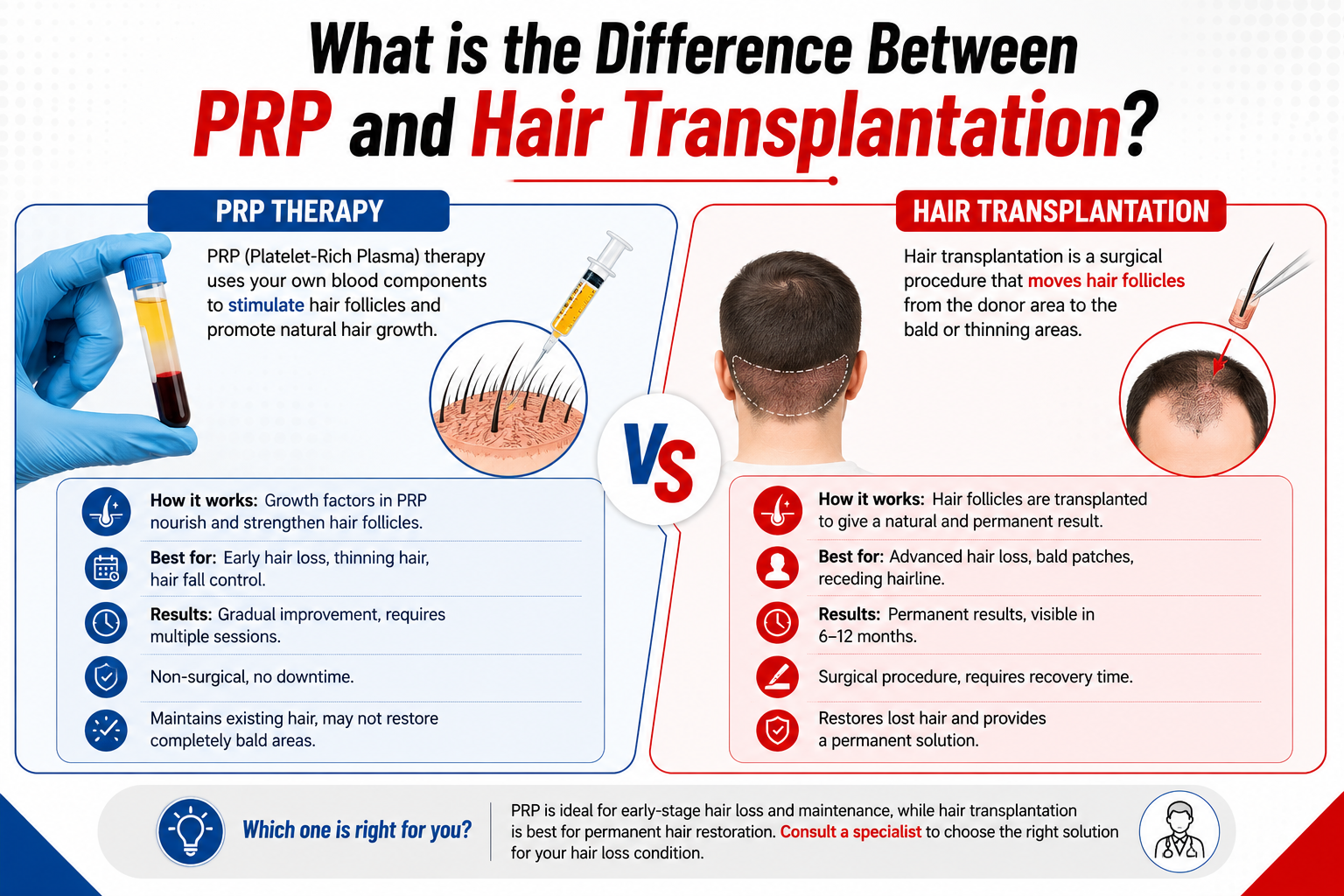
Hair transplantation and PRP are not alternatives; they complement one another. PRP is typically suggested for patients with hair loss that is in an early stage and excessive hair fall or weak follicles still functioning. Hair transplants are best suited for those with permanent patches of baldness where hair follicles aren’t growing naturally. In many instances, combining both procedures will yield the best long-term outcomes.
Understanding Hair Loss Before Choosing a Treatment
Before you decide on any treatment, it is crucial to determine the root of the loss of your hair. Common causes include:
- Female and male pattern hair loss
- Genetics
- Hormonal imbalance
- Stress
- Nutritional deficiencies
- Thyroid disorders
- Scalp infections
- Lifestyle aspects
The degree of loss determines whether you should undergo a hair transplant using PRP in Kolkata or if the option of a hair transplant is better.
What Is PRP Hair Treatment?
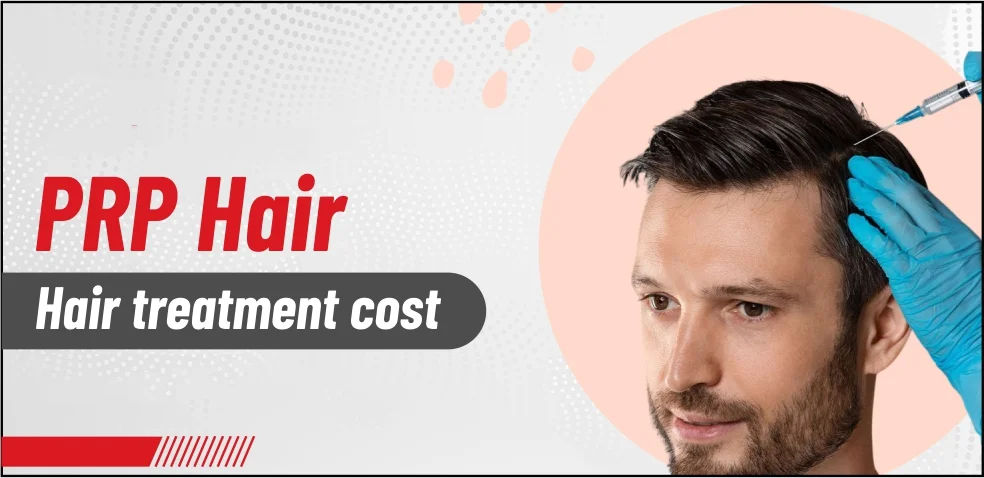
The Platelet-Rich Plasma (PRP) therapy is a procedure for regenerative purposes that uses the patient’s blood to stimulate damaged hair follicles. The treatment includes:
- The procedure involves taking a small sample of blood.
- It is processed by a centrifuge to make platelets.
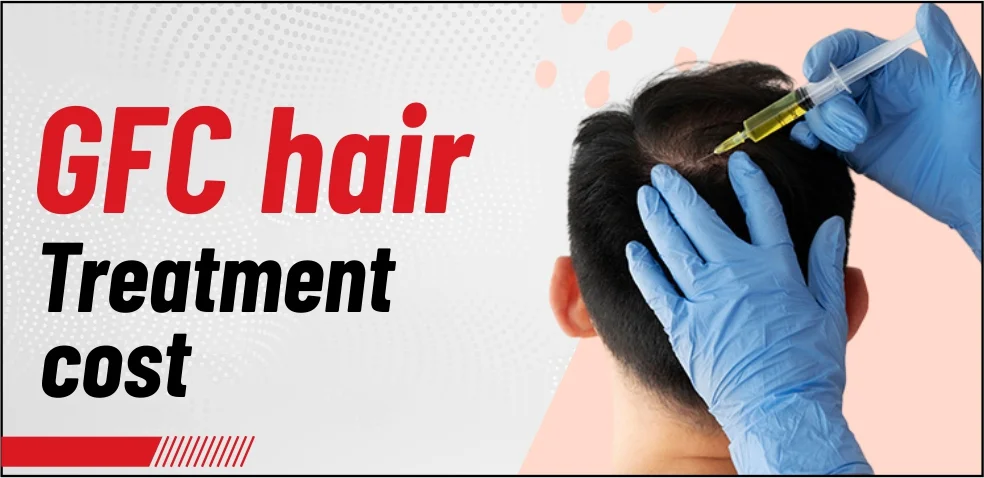
- Injecting platelet-rich plasma into the thinning regions on the scalp.
Platelets are a natural source of growth factors, which can improve blood circulation, nourish follicles, and stimulate healthy hair growth.
Since it does not require any surgical procedure, PRP can be a well-known non-surgical treatment for hair loss for patients who have the beginning of hair loss.
How Does PRP Work?
Hair follicles require oxygenation as well as nutrients and an adequate supply of blood for hair that is strong. PRP is a concentrated source of nutrients directly applied to the scalp, which helps create an environment that is healthier for existing hair follicles.
The potential benefits are:
- Reduced hair loss
- Increased strength of follicles
- Hair thickness increases
- Improved scalp health
- Improved blood circulation
In reality, PRP cannot create new hair follicles. It only works on hair follicles that are alive but weak.
Who Is an Ideal Candidate for PRP?
PRP is typically recommended for people who
- Early-stage male pattern baldness
- Thinning of female pattern hair
- Excessive hair shedding
- Diffuse hair loss
- Moderate to mild thinning
- Healthy follicles, but weakening
Patients who want PRP hair treatments in Kolkata usually opt for this option due to the fact that it requires minimal downtime and can be done as an outpatient procedure.
Benefits of PRP Hair Treatment
PRP is now among the top frequently used regenerative hair treatments because of its ability to aid in the growth of natural hair. A few advantages are the following:
- Minimally Invasive – No stitches or surgical incisions are needed.
- Uses Your Own Blood—Since PRP is derived using the patient’s own blood, the chance that it may cause allergic reactions is low.
- Quick Recovery – The majority of patients return to their regular activities after a few days.
- Improves Existing Hair—PRP may strengthen miniaturized hair follicles and increase the quality of hair.
It is a combination of other treatments. It is frequently used in conjunction with medication and hair transplantation to achieve more effective results overall.
Limitations of PRP
While PRP provides many advantages, it does have some limitations.
- It Cannot Restore Completely Bald Areas—If the follicles have completely disappeared, PRP cannot regenerate them.
- Multiple Sessions Are Needed—The majority of patients require multiple treatments and then treatment maintenance.
- Results Vary—The final result is based on the following:
- Age
- Hair loss stage
- Overall well-being
- Condition of the Follicle
- Consistency of treatment
This is why a thorough diagnosis is crucial before beginning any non-surgical treatment for hair loss.
What Is a Hair Transplant?
The hair transplant procedure is a surgical restoration process that involves moving healthy hair follicles from the donor region (usually on the back of the head) to thin or bald areas.
Modern techniques typically employ Follicular Unit Extraction (FUE) or more advanced versions of FUE to produce natural-looking results.
Contrary to PRP, a transplant physically moves hair follicles into places where hair is no longer growing. This is why transplantation is an effective long-term solution to permanent hair loss.
When Does a Hair Transplant Become Necessary?
Hair transplants are generally suggested for the following reasons:
- Hair follicles are permanently gone.
- The medical treatments are no longer able to give the desired results.
- The recession of the hairline is significant.
- The process of balding the crown continues.
- The appearance of density is not achievable by using PRP on its own.
Many patients who compare PRP and hair transplants in India discover that hair transplantation is the most preferred choice in the middle to late stages of loss of hair.
Benefits of Hair Transplant Surgery
Hair transplants have many advantages over time:
- Permanent Follicle Relocation
- Natural hairline restoration
- Increased scalp coverage
- Lasting results
- Normal hairstyles
Modern techniques can also lessen scarring and speed up healing compared to traditional methods.
If patients aren’t appropriate candidates for PRP on their own, transplantation can be a viable way to restore the visible density of hair.
PRP vs Hair Transplant India: Side-by-Side Comparison
Knowing the distinctions between these treatments will allow you to select the best option depending on the stage at which you are experiencing hair loss.
| Feature | PRP Therapy | Hair Transplant |
| Procedure Type | Non-surgical | Surgical |
| Best For | Early hair loss | Moderate to advanced hair loss |
| Creates New Hair Follicles | No | Yes (by moving healthy hair follicles) |
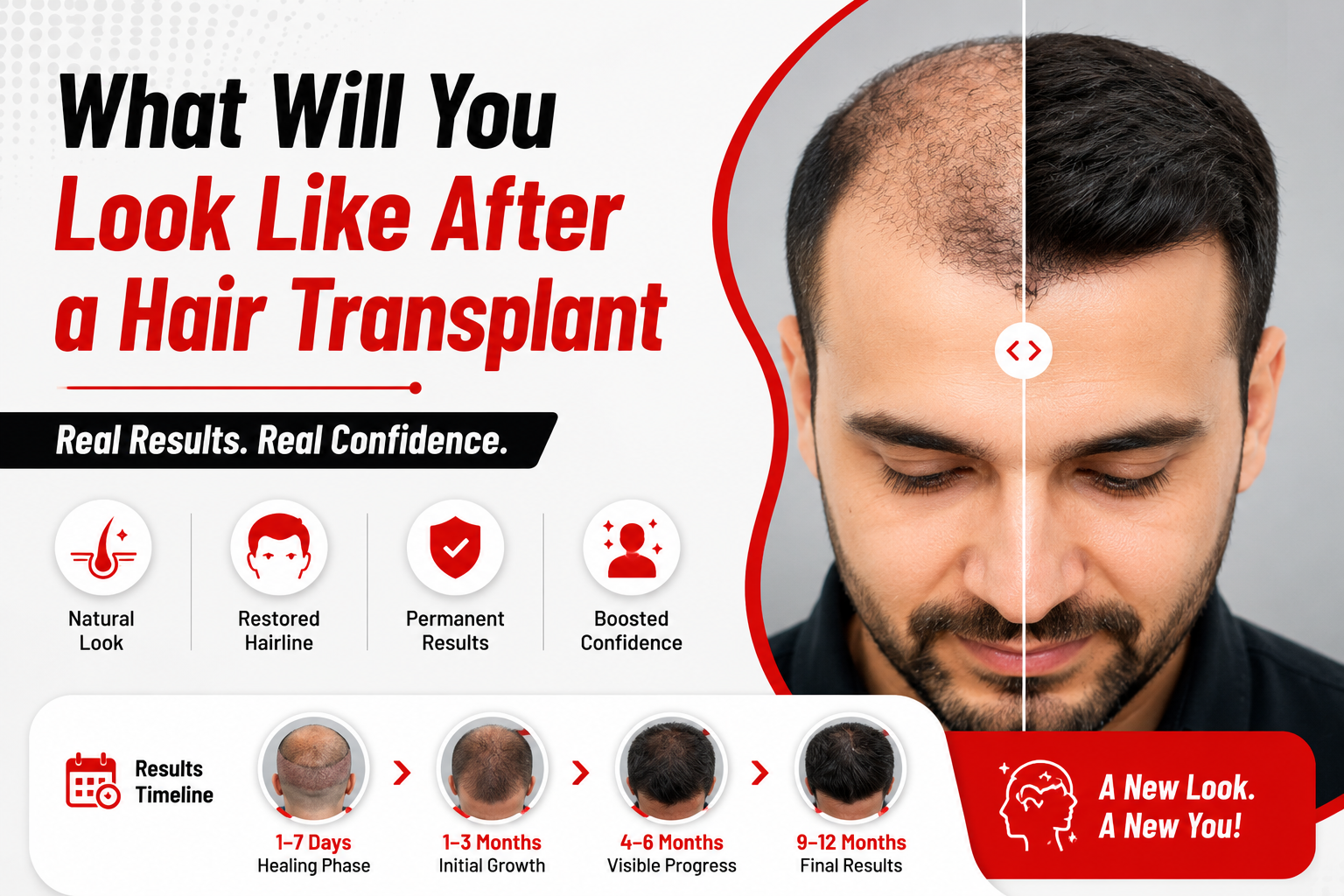
| Downtime | Minimal | From a few days to two weeks |
| Recovery | Quick | The healing process will take several weeks. |
| Number of Sessions | Multiple sessions plus maintenance | The majority of procedures are based on the graft needed |
| Results | Enhances existing hair | Restores hair loss in areas of baldness |
| Permanence | Maintenance is required | Long-lasting effects |
When looking at the comparison between PRP and hair transplants in India, it’s crucial to keep in mind that both treatments address various issues. PRP assists in preserving hair that is already there, while transplants replace hair that has already been lost.
Can PRP and Hair Transplant Be Combined?
Yes. Many specialists advise combining both treatments in specific patients. At Dr. Paul’s Advanced Hair & Skin Solutions, PRP may be utilized prior to or following the procedure of a hair transplant based on the condition of the patient’s scalp and treatment objectives.
Before Hair Transplant – PRP can aid in improving the health of your scalp and strengthening follicles that are already in place before surgery.
After Hair Transplant – After transplantation, PRP can be suggested to help heal and improve scalp healing and provide a better environment for transplanted grafts.
Instead of viewing the treatments as competing, many patients can benefit from a hair restoration program that is integrated.
Who Should Choose PRP?
Hair treatment using PRP in Kolkata is usually recommended for those with:
- Early-stage male pattern baldness
- Moderate to mild hair loss
- Diffuse hair loss
- Hair loss increases
- Donors with healthy follicles
- A desire to delay surgery
As a non-surgical procedure for treating hair loss, PRP appeals to those who prefer little downtime and would like to keep their hair before the loss of it becomes more severe.
Who Should Choose a Hair Transplant?
Hair transplantation is usually the best option in the following situations:
- Hair follicles have disappeared forever.
- The hairline has receded considerably.
- The extent of crown baldness is quite extensive.
- The PRP or the medications aren’t providing the desired improvement.
- Hair density that is higher is desired.
Since transplanted follicles are derived from genetically resistant donor areas, they continue to grow naturally following successful implantation.
Factors Doctors Consider Before Recommending Treatment
The decision to choose between PRP and transplantation depends on a thorough medical examination, not just appearance by itself. Doctors usually evaluate the following:
- Age
- Hair loss pattern
- Hair Donors available
- Hair density
- The family history of hair loss
- Condition of the Scalp
- Medical background
- Lifestyle aspects
- Patient expectations
This approach is personalized to ensure that the treatment recommended is in line with the patient’s condition as well as long-term goals.
Can PRP Prevent a Future Hair Transplant?
PRP could help slow the process of hair loss by strengthening weakened hair follicles and enhancing scalp health. But it isn’t able to completely stop genetic baldness.
If hair loss persists regardless of treatment, and hair follicles become forever lost, a transplant could be required in the future.
A quick intervention using PRP hair treatments in Kolkata can delay surgical procedures for some patients; however, it is not a substitute for transplantation for patients with advanced baldness.
Recovery: PRP vs Hair Transplant
PRP Recovery
- Mild scalp tenderness over only a brief time
- Little interruption to the daily routine
- No surgical injuries
- Rapid return to work
Hair Transplant Recovery
- Redness and swelling that is mild for some days
- Tiny scabs, which usually disappear within a couple of weeks.
- A temporary loss of hair transplanted before the beginning of new growth
- Improvements gradually over the course of a few months
While recovery is different for the two procedures, they both require medical advice for the most effective outcomes.
Which Treatment Offers More Permanent Results?
Hair transplants are usually thought to be the most permanent option because healthy hair follicles can be moved from the donor region to the bald areas.
PRP, however, stimulates existing follicles and generally requires regular maintenance sessions to maintain outcomes.
This is among the most important differences between the PRP and hair transplants in Kolkata.
PRP Hair Treatment Cost Considerations
The cost of treatments can vary according to a variety of factors. For PRP:
- Sessions per session
- Protocols for clinics
- Technology used
- Individual treatment plan
Hair transplantation for hair loss:
- Grafts per graft
- Technique used
- The degree of baldness
- Complexity of the surgical procedure
Patients who are considering treatment may also be informed regarding PRP hair restoration from Kolkata to know how it could be incorporated into a customized hair-regeneration plan.
Why Does Professional Diagnosis Matter?
A lot of people start treatment solely based on the internet or social media recommendations. But a successful hair restoration relies on determining the root cause of hair loss before suggesting the best solution. At Dr. Paul’s Advanced Hair & Skin Solutions, treatment planning is determined by the following:
- A thorough scalp exam
- Analysis of hair density
- Donor assessment
- Medical background
- Long-term restoration goals
This method of diagnosing first ensures that patients receive the best treatment possible instead of just a general recommendation.
Conclusion
The debate surrounding PRP vs. hair transplants in India isn’t about picking a winner but about deciding on the appropriate procedure at the appropriate phase of hair loss. The hair transplantation procedure PRP Kolkata is a successful non-surgical method of treating hair loss for people suffering from active follicles and early thinning. Hair transplantation is the long-term option for restoring hair loss in areas permanently devoid of it.
For a lot of patients, the most effective treatment is to combine the two treatments. PRP can aid in strengthening existing hair and also support the health of your scalp, whereas transplants restore density in areas where the hair follicles have disappeared.
With an individualized diagnosis, modern technology, and a treatment plan based on evidence, Dr. Paul’s Advanced Hair and Skin Solutions assists patients in achieving natural-looking, long-lasting hair repair results.
FAQ
-
Is PRP superior to hair transplants?
There is no universally superior treatment. PRP is best suited for the early stages of hair loss and strengthens the follicles already present, whereas hair transplants are better suited for areas that are permanently bald. The best option is based on the stage of hair loss and the overall condition of your scalp.
-
How many sessions of PRP are typically needed?
Most patients will undergo the initial 3 to 6 sessions and then maintenance treatments based on the improvement and the recommendations from their expert in hair restoration.
-
Can I get PRP prior to having an operation to remove hair?
Yes. PRP can be recommended before surgery to improve the health of the scalp and to strengthen hair that is already there. It may also be utilized following transplantation to aid in the healing process and improve overall hair quality.
-
Can PRP be considered a long-lasting treatment?
No. PRP can stimulate follicles that are already present; however, it doesn’t create new ones. It is generally recommended to have maintenance sessions to ensure the benefits last over time.