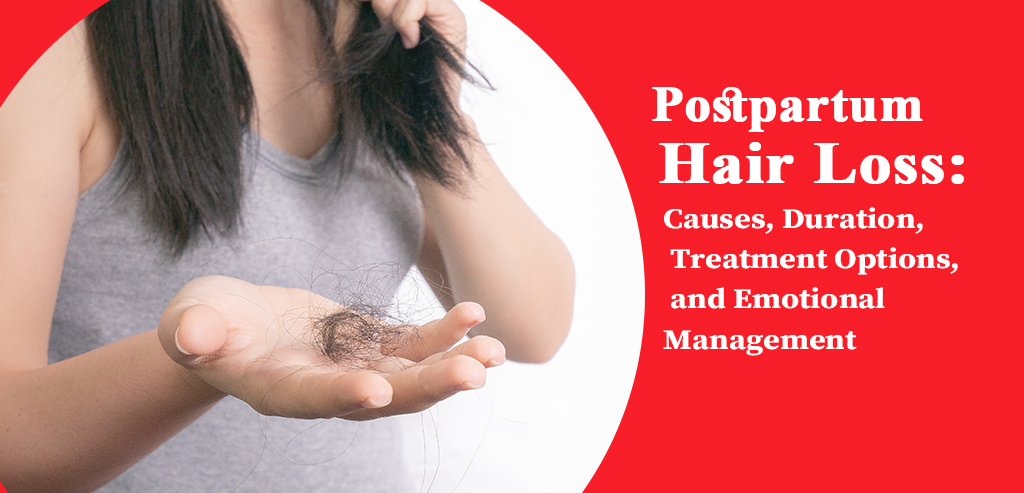
Welcoming a new baby into the world is a joyous occasion for any new mother. However, along with the happiness comes certain physical changes, one of which is postpartum hair loss. It is a common occurrence that affects many women after childbirth. Postpartum hair loss is a result of hormonal fluctuations that take place in the body during pregnancy and post-delivery. These hormonal changes can disrupt the normal hair growth cycle, leading to excessive shedding and noticeable thinning of the hair.
While it can be disconcerting, it’s essential to remember that postpartum hair loss can be easily resolved with personalized hair loss treatment in Kolkata. In this comprehensive blog post, we will delve into the causes, duration, and potential treatment options for postpartum hair loss. Additionally, we will provide valuable tips for managing the emotional impact that this temporary condition can have on new mothers. If you’re experiencing postpartum hair loss or simply want to be prepared, keep reading to gain valuable insights and guidance.
Understanding Postpartum Hair Loss
Postpartum hair loss is a common phenomenon experienced by many women after giving birth. It is characterized by excessive shedding of hair, leading to noticeable thinning. During pregnancy, hormonal changes, specifically increased levels of estrogen, extend the hair’s growth phase, resulting in thicker and healthier-looking locks. However, after childbirth, hormone levels normalize, causing a large number of hairs to enter the shedding phase simultaneously.
Causes of Postpartum Hair Loss
The primary cause of postpartum hair loss is hormonal fluctuations. During pregnancy, elevated levels of estrogen prolong the growth phase of the hair cycle, leading to reduced shedding. However, after giving birth, estrogen levels drop rapidly, causing the accumulated hairs to enter the shedding phase simultaneously. Additionally, the stress placed on the body during childbirth, nutritional deficiencies resulting from pregnancy, and emotional and physical stress can also contribute to postpartum hair loss.
Duration of Postpartum Hair Loss
Postpartum hair loss typically begins around three months after giving birth and peaks around four to six months postpartum. The shedding may last for several weeks to a few months. It is essential to understand that postpartum hair loss is a temporary condition, and most women will see their hair returning to its pre-pregnancy thickness within six to twelve months with adequate hair treatment in Kolkata.
Treatment Options for Postpartum Hair Loss
While postpartum hair loss is a natural process and cannot be entirely prevented, several hair treatment options can help promote hair regrowth and minimize the appearance of thinning hair:
Nutrition and diet: Consuming a balanced diet rich in vitamins, minerals, and proteins is crucial for healthy hair growth.
Supplements: Consult with a healthcare professional about supplements that support hair health, such as biotin, vitamins A, C, and D, zinc, and iron.
Scalp care: Maintain a clean and healthy scalp by using gentle cleansers, avoiding tight hairstyles, and using suitable hair products.
Low-level laser therapy (LLLT): Consider using FDA-cleared laser devices that stimulate hair growth and improve hair density.
Platelet-rich plasma (PRP) therapy: This procedure involves injecting concentrated platelets from your blood into the scalp to stimulate hair growth.
Topical treatments: Minoxidil, an FDA-approved topical solution, can be applied directly to the scalp to promote hair regrowth.
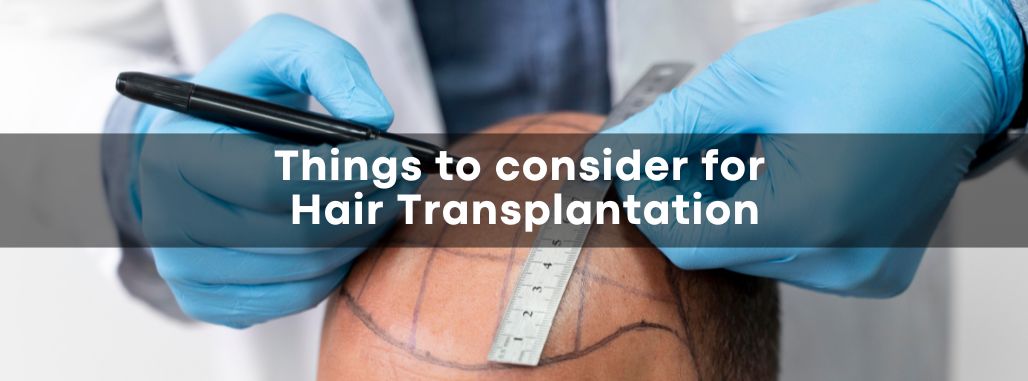
Hair transplant: In severe cases of postpartum hair loss, hair transplant surgery may be an option to restore hair density.
Managing the Emotional Impact
Postpartum hair loss can have a significant emotional impact on new mothers. To help manage the emotional aspects, consider the following strategies:
- Acknowledge and accept the temporary nature of postpartum hair loss.
- Connect with support groups and online communities of other mothers experiencing similar hair loss.
- Seek professional counseling or therapy if the emotional distress becomes overwhelming.
- Explore different hairstyles and hair care techniques that can help create the illusion of thicker hair.
- Prioritize self-care, including rest, relaxation, and stress management techniques such as meditation or yoga.
Conclusion
Postpartum hair loss can be a challenging experience for new mothers, but it is important to remember that it is temporary and part of the natural hormonal adjustment after childbirth. By understanding the causes, duration, and treatment options for postpartum hair loss, as well as implementing strategies to manage the emotional impact, women can navigate this phase with confidence. Remember to consult professionals like Dr Paul’s Clinic for personalized advice and support during this time. Embrace your motherhood journey and know that your hair will likely regain its pre-pregnancy thickness in due course.